Study: Bone Cyst Implant Shows 95% Success Rate
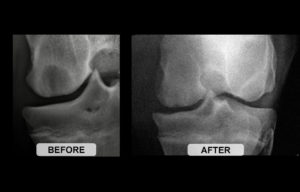
Thirty-six out of 38 racehorses with subchondral bone cysts, mainly in the stifle, became sound within months of having a newly designed prosthesis implanted into their cysts.


Thirty-six out of 38 racehorses with subchondral bone cysts, mainly in the stifle, became sound within months of having a newly designed prosthesis implanted into their cysts.

With mortality rates topping 90%, AHS has left a devastating wake of destruction across Thailand and Malaysia. Learn about this disease, the recent outbreak, and what it could mean for U.S. horse owners.
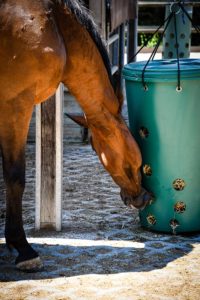
Slow feeders and haynets offer many benefits for horses, such as metered forage intake, but can also create safety issues. Here are solutions to common challenges.

Horses waking up from general anesthesia can injure themselves trying to stand. But those receiving epidural opioids beforehand generally make fewer efforts to stand and do so more calmly.

A French study is the first to connect the gut microbiota with the mitochondria in horses, or any other species.

Hospitalized geriatric horses that recovered from severe colitis showed positive changes in their gut microbiota after receiving diluted feces from healthy horse donors.

Finnish researchers found more horses with bit-related lesions than without—and most of the riders had no idea.
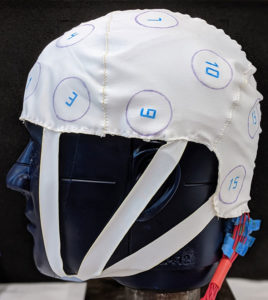
A new sensor cap designed just for helmet wearers is giving feedback that could not only improve fit but also lead to better diagnostics and treatment when riders fall.

Nearly 200 horses remain held at the competition venue in Valencia by government officials in Spain, where EHV-1 is a reportable disease.

Researchers: A newly published “catalog” of equine discomfort behaviors could help veterinarians, scientists, stable managers, and owners “speak the same language” when it comes to recognizing possible signs of discomfort in horses.
The equine herpesvirus-1 outbreak began at an FEI jumping competition in Valencia, Spain, with cases spreading to Belgium, France, and Germany. The FEI calls it “probably the most serious EHV-1 outbreak in Europe for decades.”

Police horses fill a special place in the equestrian world. Here’s a look at the unique lives, needs, and challenges of these horses, as well as how they’re selected and trained.

Finnish researchers found that 83% of the Standardbred horses and 90% of the Finnhorses (a local draft breed) had acute lesions resulting from their bits post-racing. Mares were at a greater risk of mouth injury.

A new European study has shown that Lusitanos had few OA lesions on radiographs, and when they did, the lesions were relatively minor.

Give your new foal the best chance for a healthy start to life by understanding the red flags—and the green lights—of neonatal health.

Five clues she’s not ready to breed on the first heat after foaling, along with principles to follow if she is.