Study: Age Predicts Subclinical Laminitis in Horses
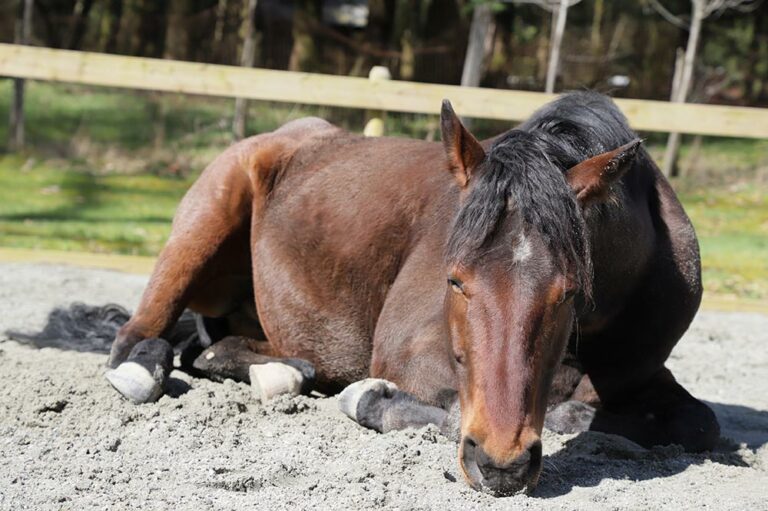
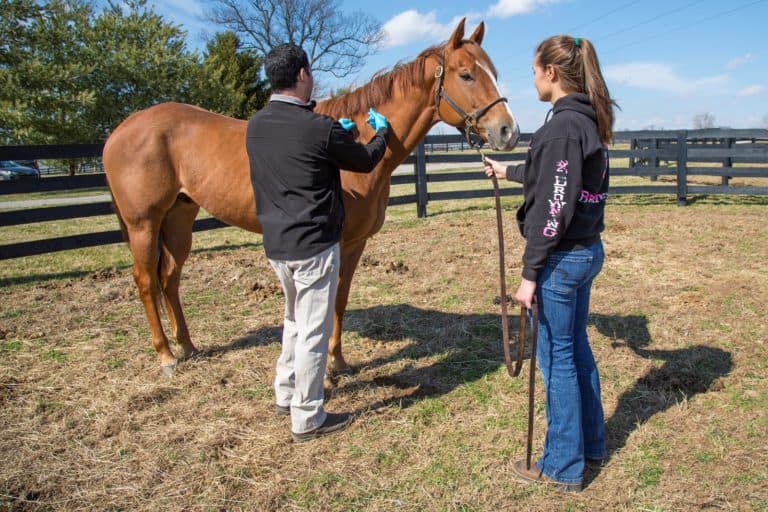
Researchers found that horses 25 years and older are more likely to suffer chronic laminitis even if they aren’t showing obvious clinical signs of disease.


Researchers found that horses 25 years and older are more likely to suffer chronic laminitis even if they aren’t showing obvious clinical signs of disease.

Horses might chew trees for a variety of reasons, such as boredom or nutritional deficiency. Learn about the benefits and risks, and how to protect your horses and your trees.

Changing your mare’s estrous cycle patterns can facilitate your breeding and performance plans. Learn about current options for owners who want to control their mares’ heat cycles.
Researchers believe breeding two white-spotted donkeys could lead to embryonic loss, fetal abortion, or the death of a young foal.

A Canadian survey found horses offered solace during the pandemic, and lockdowns gave stable owners a respite to do farm repairs and organize their businesses.

Scientists developed an algorithm that predicts how susceptible individual species might be to SARS-CoV-2 infection. Find out where horses land.
Researchers compared foals born and raised in “traditional” breeding programs that included stabling with those in a free-roaming herd.
The rider of an Arabian horse whose leg broke during an endurance race in France has been relieved of a 20-year sanction for doping and horse abuse, following the decision of an international appeals court.

Study: Arabians with certain genes coding for less muscle fatigue, more time-efficient energy production, and improved muscular contraction have better racing results than those without.

But the ability to roll the pelvis, not balance, is the key, researchers found.

Researchers at Oregon State University looked at 14 case studies involving lameness related to muscle tears. Here’s what they found.

A study looking at fasting horses might help scientists better interpret microbiota test results in colicking horses.

Survey results showed horses ridden and handled by males behaved differently than those ridden and handled by females.

If you’ve got a horse with insect bite hypersensitivity, midges might not be your only problem. Researchers found that IBH horses are more likely to develop allergic reactions elsewhere—specifically, in the breathing passages.

Experience might compensate for age at the advanced level, and other findings from a U.K. study of 75,000 horses.

Although horse sports—and three-day eventing in particular—carry inherent risks to both horse and rider, significant safety efforts in recent years have led to safer competitions, according to two sports medicine specialists.