Like People, Horses Get Fooled by Optical Illusions
Researchers found horses, unlike dogs, might perceive certain optical illusions similar to the way humans see them.


Researchers found horses, unlike dogs, might perceive certain optical illusions similar to the way humans see them.

Horses with a history of anxiety during fireworks displays showed marked improvement with treatment, their owners reported.
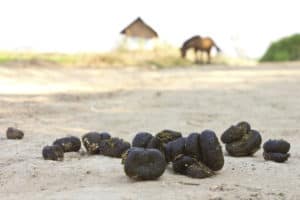
Horse manure is rich not only in energy and soil-building nutrients, but also information about your horse’s health and well-being. In this article, veterinarians offer guidelines to help you better “read” your horse’s poop.

Donkeys can thrive off straw and other low-quality forage, unlike most horses and ponies, and now we have a better idea why.

Swedish researchers observed 22 geldings as they learned to navigate automatic feeding stations equipped with automatic doors, food dispensers, and microchip readers.

This marks the second documented case of a newborn foal contracting atypical myopathy and the first to link the condition to toxins passed through the mare’s milk.

Researchers found many people accept that working with horses is dangerous—especially more experienced riders or those working with horses for financial gain.
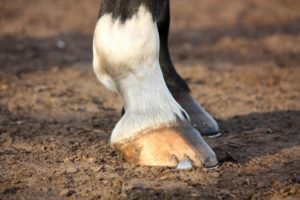
Researchers recently confirmed that a new drug test can detect the bisphosphonate tiludronate disodium (Tildren) in horses up to three years after they received the medication.

Veterinarians could soon determine which horses are at risk of certain neurologic diseases through a simple urine test that reveals how a horse breaks down vitamin E.

The key lies in offering the horse other behaviors—backing, for instance—to perform besides head-butting.
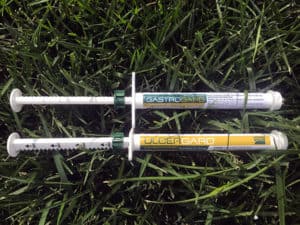
Researchers found the gastric ulcer drug might affect microbiomes less in horses than in humans and dogs.

Learn how veterinarians diagnosed and managed six real-life equine Cushing’s cases that strayed from the classic scenarios.
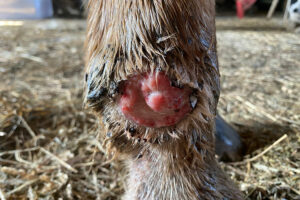
Indian researchers found resistant proud flesh became undetectable within weeks of treatment with the newly developed desert cotton leaf extract.

Compared to soaking or leaving hay dry, steaming conserves beneficial microorganisms found while targeting harmful bacteria and respiratory allergens.

Dr. Sue Dyson and her research team evaluated facial expressions and body language of FEI World Cup dressage horses and found that, overall, the animals experience little discomfort while competing.
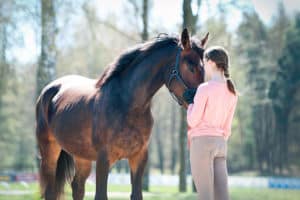
Italian researchers found that horses enter a positive emotional state when they see and interact with a familiar human who’s developed a good relationship with them.