Study: Half-Pads Aren’t Always Helpful
Find out when a half-pad will improve your horse’s comfort and when it might cause more harm than good.


Find out when a half-pad will improve your horse’s comfort and when it might cause more harm than good.
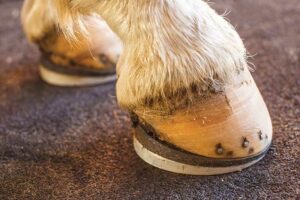
Using sensors, scientists found hoof breakover lasts a shorter amount of time in certain gaits when the horse has wedges, rolled-toe shoes, or palmarly placed shoes compared to normal shoes.

Survey: Veterinarians in the United Kingdom are more likely to follow competition rather than manufacturer influenza vaccination guidelines, potentially leaving horses with vaccination gaps.

Researchers found that about 40% of NSAID-treated horses in their study developed thickened intestinal walls, starting as early as the third day of treatment.

Researchers found extra body fat causes movement asymmetries and affects horses’ performance on a chemical level.

A survey found 100% of owners were happy with the results of their mares’ ovariectomies performed in response to pathologies; 90% were happy with elective ovariectomy results.
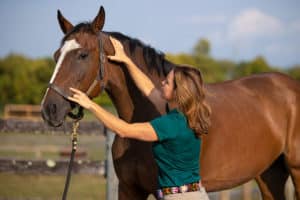
Poll pain can cause performance, behavior, and welfare issues for horses. Learn how vets diagnose and treat it.

A survey found riders’ helmets are often too old, well exceeding their manufacturer-stated expiration dates.

All horses need deep sleep overnight that requires lying down completely. Stall size, bedding, and stress can cause horses to get insufficient rest.
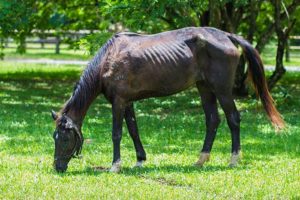
Researchers found successful recovery from starvation improved with each full-point increase in condition on the nine-point body condition scale.

Researchers explored the bonds people have with their horses and how that affects care, ownership change, and end-of-life decisions.

Researcher: As “sharper tools,” riders should use bits for communication with horses, not pain. Training the hands holding reins attached to the bit is important.
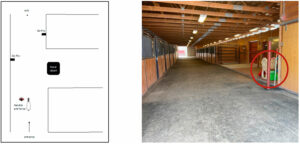
Understanding that horses view different sides of objects as entirely new means we can desensitize them to everyday objects from all angles for better safety and welfare, the researcher says.
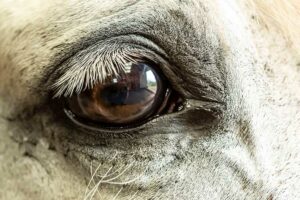
Researchers used genomic sequencing to identify fungi living in healthy eyes and found differences between pastured and stalled horses.

Italian researchers found higher-placed haynets significantly shorten horses’ back muscles and change their jaw angles as they eat.

Study: Working horses in moderately low-oxygen conditions—typical of slightly higher altitudes—could lead to more endurance and better race times for Thoroughbreds.