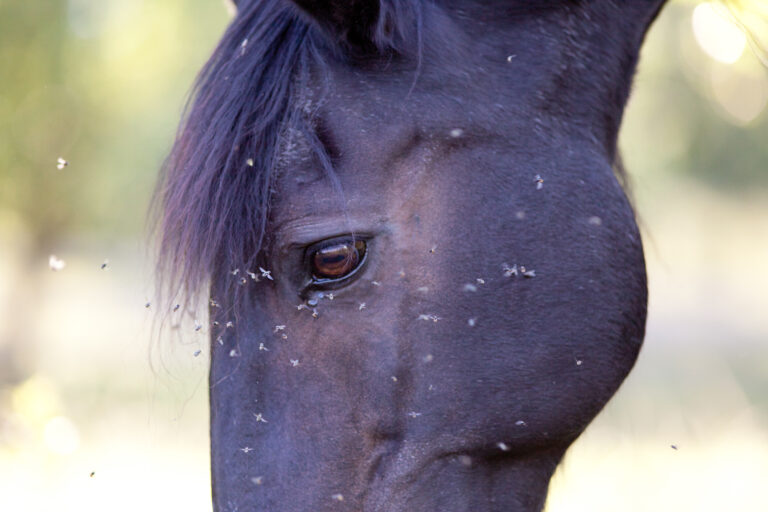
Study: Vesicular Stomatitis Can Overwinter in Black Fly Eggs
Vesicular stomatitis primarily affects horses, cows, and pigs, causing fever, drooling, and blisters on the mouth, lips, nose, coronary bands, and teats.


Vesicular stomatitis primarily affects horses, cows, and pigs, causing fever, drooling, and blisters on the mouth, lips, nose, coronary bands, and teats.
While each horse is different, here are some common behavioral signs that can help you tell if your horse is happy, sick, or painful, as well as keep you safe.
Standardized helmet tests measure the equipment’s reaction to hitting a steel anvil, but equestrians usually fall on softer, less rigid surfaces.
Researchers found individual horses can have such widely different vertebral columns, they don’t even have the same number of vertebrae.

A survey found most veterinarians who specialize in horses and primarily deal with lameness issues use nonsteroidal intra-articular joint therapies in their patients.
Study: A broodmare’s fertility appears to decrease slowly over the years, on a downhill slope that follows her number of breeding years, and not just her age.

We’ve compiled a science-based list of nonriding activities to help keep you and your horse busy during these cold winter months.

To better understand the piaffe and its effects on a horse’s biomechanics, researchers investigate the ground reaction forces of elite dressage horses performing the movement over pressure plates.
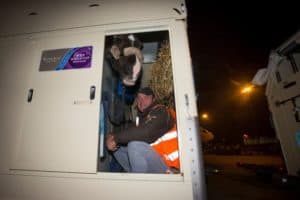
An Italian researcher outlines the stresses high-performance horses face during transport and what horse owners and managers can do to help.
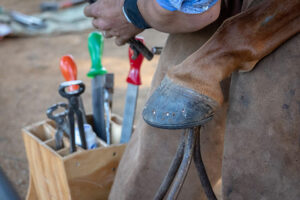
Researchers found horses on regular four- to six-week trim and shoe cycles didn’t have significant gait changes after their hoof care appointments, even on a finely measured level.

Electrical impedance tomography could be simple enough for veterinarians to use in the field to diagnose asthmatic horses without anesthetics or an assistant.
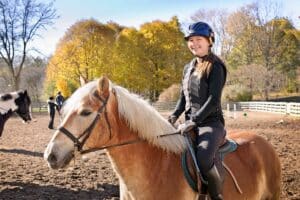
Is horseback riding really exercise? Here’s what researchers have to say.
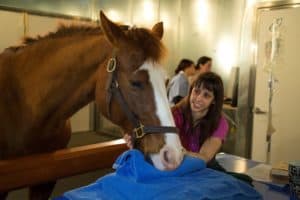
To understand how horses fared during standing flank laparotomy for colic, researchers reviewed records from 37 equids. Here’s what they found.
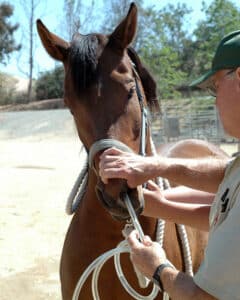
The large volumes of water pumped into the stomachs of horses with impaction colic can sometimes do more harm than good, according to Italian researchers.
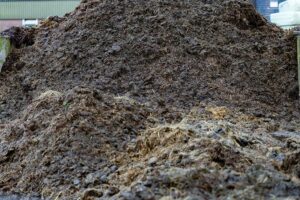
A green energy source might one day come from the big brown pile behind your barn.

You expect dusty hay to set off inflammation in asthmatic horses’ lungs. But did you know dusty hay and indoor housing can also affect their gut microbiota?