Study: Horses Know When You Might Be Wrong
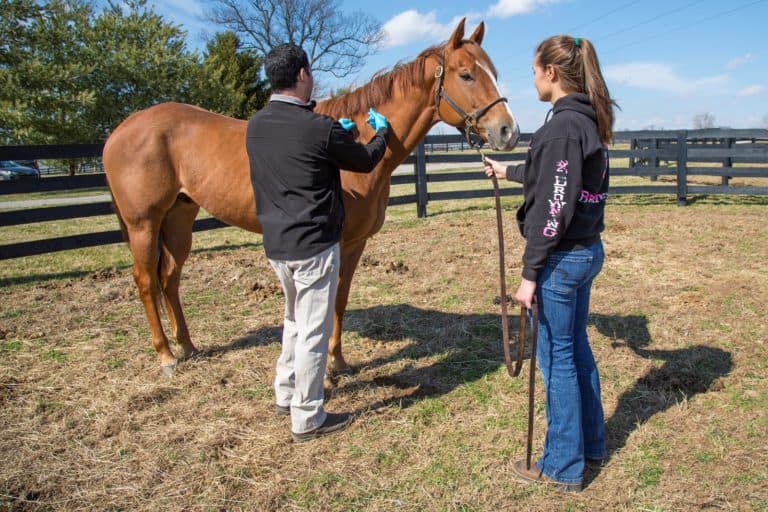
Would your horse believe you if you told him where to find a hidden carrot? He might—if he thought you knew where that carrot was.


Would your horse believe you if you told him where to find a hidden carrot? He might—if he thought you knew where that carrot was.

Researcher: Veterinarians should “forget” two viruses once commonly blamed for equine liver disease.

Get to know the nuances of donkey care, from treating metabolic issues to drug dosing.

If a horse responds when a handler says, “Ginger, come here,” is it because Ginger has associated the word with a treat, or is it because she thinks, “I am Ginger”?

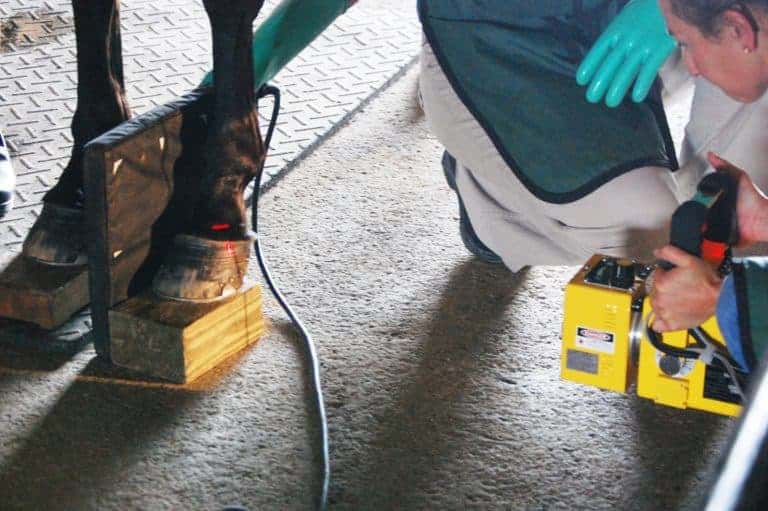
Belgian researchers use both modalities to investigate the causes of foot pain in 30 horses referred to the equine hospital for forelimb lameness.

Horses have big eyes—which can lead to big problems. Learn how to recognize common signs of eye injuries and what to do about them.

Routine health monitoring and broader testing helped veterinarians identify an outbreak quickly.

Donkeys have similar dental structures as horses, and they’re at risk of developing many of the same kinds of dental issues. But, unlike horses, their problems often go overlooked—and that’s to their detriment, according to donkey specialists.

Horses lose large quantities of sodium, potassium, and chloride, as well as smaller amounts of magnesium and calcium, through their sweat. Supplementation before work might help.

Researchers studied which eye horses used to look at new objects. Their findings were unexpected.

A donkey and mule expert offers tips for veterinarians on how they can best approach, handle, and read their nonhorse equid patients.

Study: Worry wrinkles, known to show pain in horses, are also present during stressful events.

Researchers found the choice of steroid used for sacroiliac joint injections predicted outcomes better than whether the horse underwent a preprocedure ultrasound.

Researchers found sound horses’ movement didn’t change when traveling on straight, flat surfaces after undergoing foot nerve blocks.

Researchers found treating all horses on a farm four or six times a year with moxidectin or ivermectin makes worms develop anthelmintic resistance two to three times faster than other recommended programs.

Domestication is relatively new to horses, which is why two Italian researchers are urging competitive riders to allow their horses to engage in natural behaviors.