‘Vices’ in Horses Are ‘Diseases of Domestication’
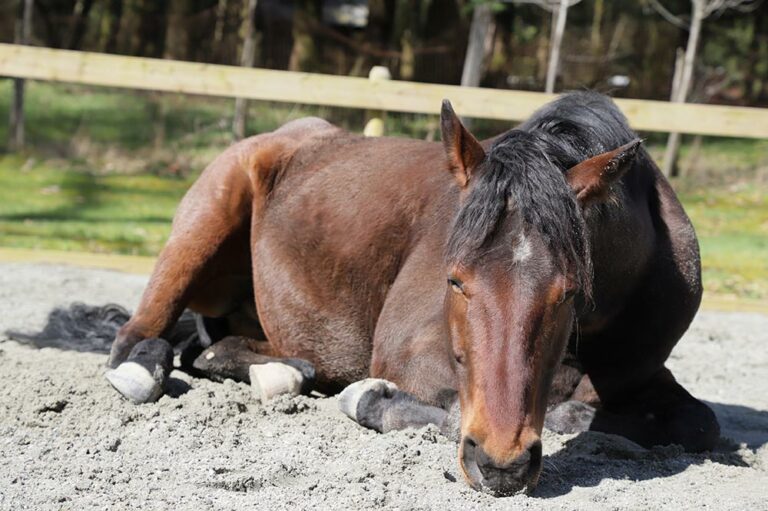
Researcher: Horses only start to crib, weave, or perform other stereotypies in one kind of context: when their environment is suboptimal.


Researcher: Horses only start to crib, weave, or perform other stereotypies in one kind of context: when their environment is suboptimal.

Study: Horses’ arteries grow thicker and harden with age, making them more prone to rupture.
A 10-day-old foal in Switzerland became the world’s first horse to undergo successful balloon valvuloplasty to correct a faulty pulmonary artery valve.
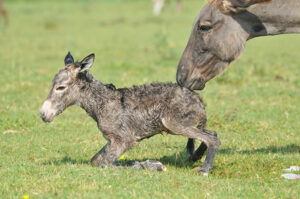
While successful embryo transfer in donkeys is rare, a new technique created by Brazilian researchers resulted in two surrogate jennies giving birth to healthy donkey foals.
An equine surgeon has developed a successful method for gelding cryptorchids by accessing and removing the retained testicle through the navel.

Metabolic profiling might hold the key to pinpointing which at-risk equids are most likely to develop the hoof disease laminitis.

By understanding how pain works and addressing its various pathways, we can improve healing and better ensure equine welfare.
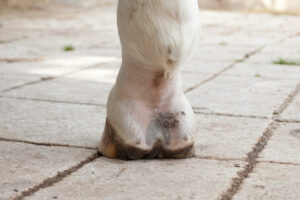
Researchers found areas with equine pastern dermatitis had less bacterial diversity and more Staphylococcaceae than healthy skin.
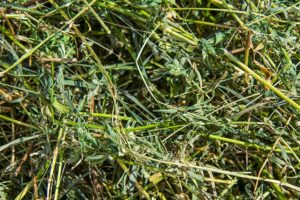
Researchers compared feeding horses alfalfa and smooth bromegrass. They found alfalfa makes the hindgut more acidic but increases volatile fatty acid production.
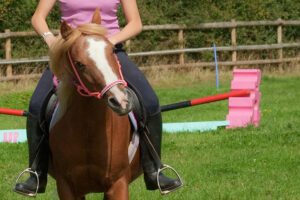
For some riders, bitless bridles seem to spare the horse’s mouth from hard metal bits. However, study results show bitless bridles can also cause pain and structural damage.

When doctors diagnosed West Nile virus neurologic disease in a Sicilian man, they immediately started a chain of events leading to massive testing of nearby horses, dogs, birds, and mosquitoes to find the outbreak’s source.
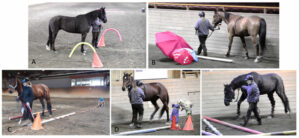
Study results confirm dogs bond with humans, but science has yet to show horses do as well, even after people use positive reinforcement for training.

Equine biosecurity might become easier thanks to new in-field tests using recently developed isothermal technology, which could detect infected horses in less than an hour.
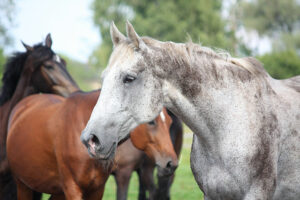
In a study monitoring how horses budgeted their time, researchers found age and orthopedic pain didn’t deter horses from moving around when given the opportunity.

Scientists found that a professional’s light, steady, straight pull at a slightly downward angle relieved pain at several sites along the equine spine.
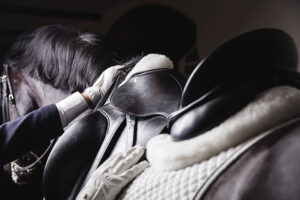
Find out when a half-pad will improve your horse’s comfort and when it might cause more harm than good.