Saddle Tree Width: Stick to the Correct Fit for Your Horse
High-tech measurements support master saddlers’ tree width standards.


High-tech measurements support master saddlers’ tree width standards.

While adding up to 25% more rider weight didn’t negatively affect the horses in this study, researchers cautioned that it could in the long run.

A group of Welsh mares with limited past human interactions exhibited signs of stress and relaxation in response to respective “angry” and “joyful” human facial expressions and sounds.

How to offer good will to horses and their people.
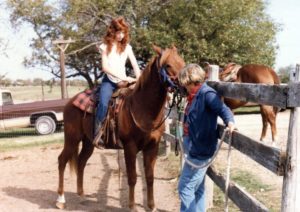
Every day with horses is a gift, but nothing is quite as magical as a girl getting her dream horse for Christmas.
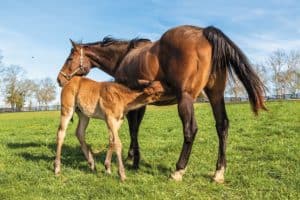
A steady nutrient supply of mare’s milk is crucial for the functioning of intestinal cells that produce incretins, which in turn influence energy regulation in neonates.
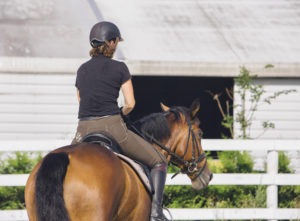
What is a crooked horse? Our sources describe several kinds of crooked horses and how you can help.

Smartphones and social media make sharing negative moments with horses—in context or not—easy. How the general public responds can have a lasting impact on the equine industry.

Mandatory headgear, banned bitless bridles, imposed endurance rider weights, and frangible device requirements for eventing jumps are among new FEI rules.

The two bodies have differing rules regarding horse age, medication use, and warm-up practices.

Biting is a sign of stress in foals. In this study, foals less than 8 weeks old that didn’t have training breaks bit their handlers more frequently than ones that got days off between training sessions.

Canadian researchers shared the results of their footing and force studies at an international conference. One looked at limb loading force, while the other investigated the impact of footing firmness and horse size.
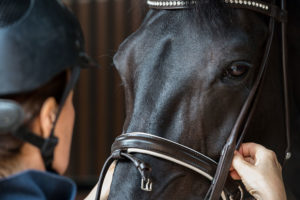
Researchers found zero-finger tightness equaled 10 times the tightness of a human limb tourniquet.
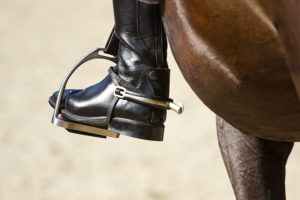
British researchers investigated spur use in riders. Here’s what they found.

By prolonging feeding time and stimulating more saliva production, large pellets of concentrated feeds could extend mealtime and offer protection from gastric ulcers.

The secret to better equine wound healing might have been with us all along, thanks to bees.