Back Pain in Horses: Then and Now
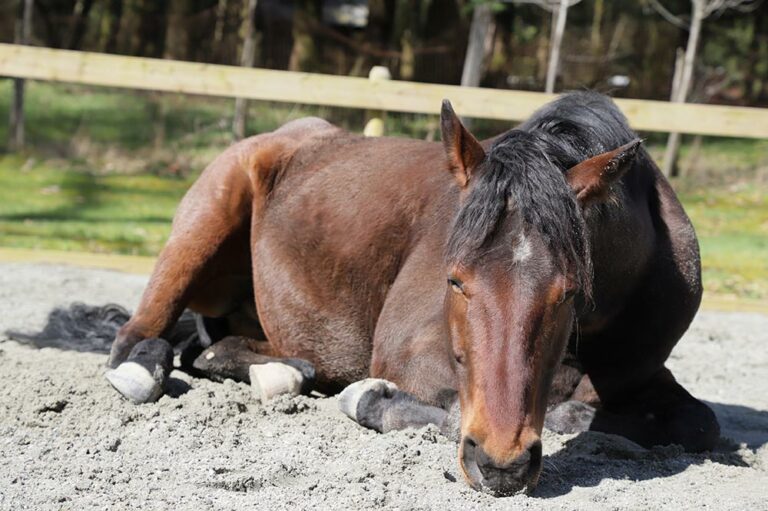
A recent comparison of diagnosis and treatment of back pain in horses a decade apart has highlighted the way riders and veterinarians alike have evolved in their awareness and management of this condition.


A recent comparison of diagnosis and treatment of back pain in horses a decade apart has highlighted the way riders and veterinarians alike have evolved in their awareness and management of this condition.
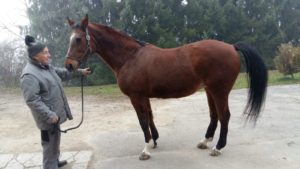
Researchers found that many old horses are in good body condition. And, at least in certain countries, those that don’t have ideal condition are more likely to be overweight than underweight.

Researchers confirmed that horses can smell specific odors in human sweat that reflect emotions like fear and happiness, which could open doors to a whole new way of understanding emotion transfer from human to horse, they say.

Researchers showed that the VP7 blocking ELISA test is highly reliable and works in exactly the same way every time its used, an important factor African horse sickness control and monitoring.
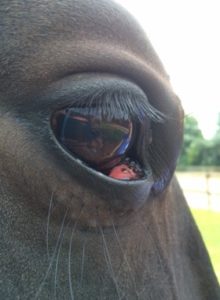
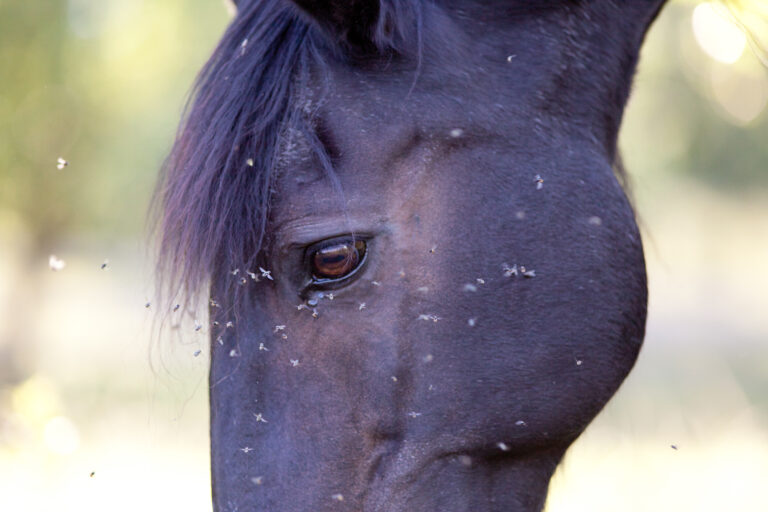
Periocular habronemiasis appears as granulous lesions around the eye as a result of parasite infestations. While it was once more common in tropical and subtropical climates, veterinarians have begun diagnosing it in regions as far north as Europe and the United States.

Recent study results suggest that it’s normal for saddles to shift left to right during the stride, as long as the movement is so slight it’s hard to actually see.

Horse gait analysis is getting more advanced: A recently developed and tested comprehensive motion sensor system can simultaneously record and analyze data remotely from eight parts of a moving horse body, researchers say.

The accelerometer is designed to detect subtle restlessness, the researchers said. Small movements, such as weight-shifting or minor head-bobbing, could be caused by distress related to the first stage of parturition, they said.

Researchers found that, in a pony with nutritional secondary hyperparathyroidism (NSH), which causes bone to deform as it loses calcium, a bisphosphonate combined with a balanced diet seemed to alleviate clinical signs of disease.
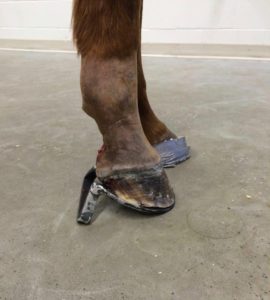
While surgery alone can improve septic navicular bursitis prognoses, recent study results suggest outcomes can be even better if surgery is combined with antimicrobials and therapeutic shoeing.

Ten horses in Iran are the first horses worldwide to test positive for antibodies against Schmallenberg virus, which is known to infect ruminants in some parts of Europe.
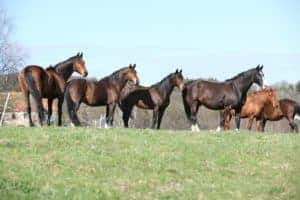
Findings from a recent study could afford a better understanding of how parasites choose their hosts within a herd and lead to the identification of biomarkers that could help pinpoint which horses are more likely to be wormy, researchers said.
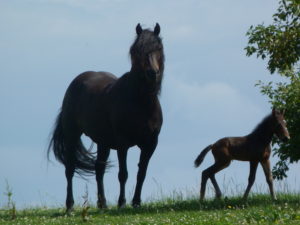
The Bardigiano’s small population—only a few thousand animals—has led to risky levels of inbreeding that threaten the breed’s long-term existence. But with a research-based breeding program in place, scientists believe the breed can be saved.
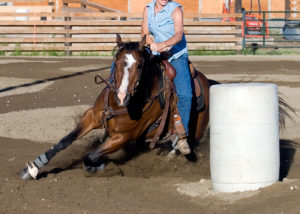
Researchers confirmed that synovial fluid is toxic to inner tendon cells, which could help explain why injuries within tendon sheaths and bursae have a poor prognosis for healing, they said.
Being well-prepared for colic could mean the difference between life and death for your horse. Here’s what you need to know.
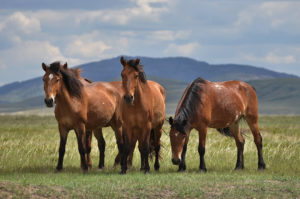
Researchers say the Botai people, who lived 5,000 years ago in what’s now part of northern Kazakhstan, appear to have domesticated and figured out horse husbandry on their own with no outside influence.