Study: Horses Could have Greater Trust in Familiar Riders
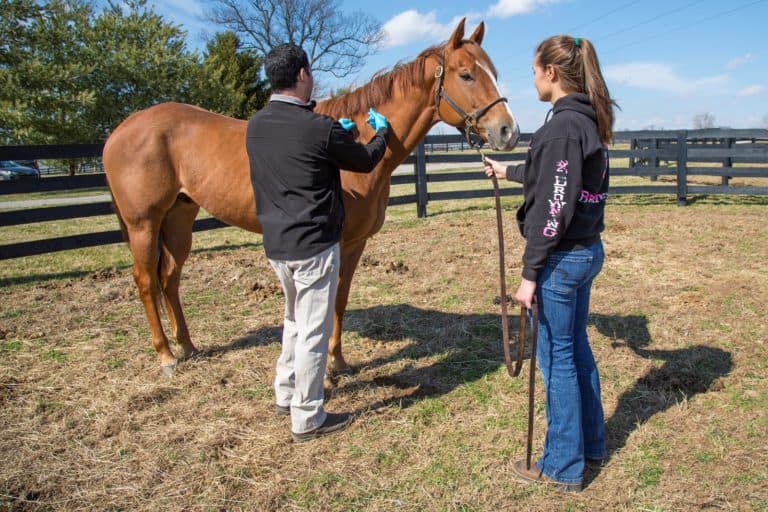
One researcher relayed that study findings indicate horses might have more trust in familiar rider.


One researcher relayed that study findings indicate horses might have more trust in familiar rider.

The FEI’s new project will include endorsing an official biosecurity guide and promoting horse passports.

An electrically powered hybrid cart prevents equine fatigue and makes pulling heavy loads safer for horses.

One welfare group uses learning theory techniques to keep feral or neglected horses and their handlers safe.
Paying attention to horses’ psychological factors is key to ensuring success in work and mental well-being.

Research on escape and avoidance can help trainers improve techniques to benefit horse welfare.
“Learning theory” research could help keep vets safer when working with difficult equine patients.
Totilas is being treated unethically and in violation of German animal welfare laws, one lawyer says.
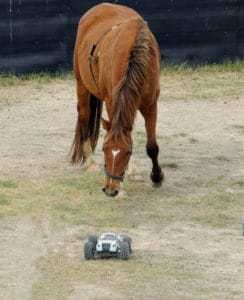
During round pen training researchers got similar results from an inanimate object as from a human.
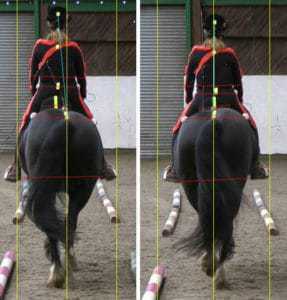
A software program uses video gaming technology to evaluate horse and rider asymmetry.

Encouraging a horse to approach a scary object led to less stress when faced with the same situation later on.

Trainers were more consistent in scoring ridden horse behaviors than were equitation scientists in one study.

Hickstead collapsed and died last year in a Verona, Italy, jumping ring due to an aortic rupture.
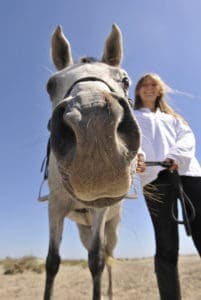
Researchers believe the best predictor of a horse’s motivation is someone who knows the animal well.

The largest factor affecting a horse’s rideability score was his rider’s maximum and average rein tension.

Researchers tested electromyography for identifying equine muscle fatigue during exercise.