Audiences’ Effects on Horse and Rider Stress Levels
Researchers found that performing for an audience did not affect horses’ stress levels compared to training.


Researchers found that performing for an audience did not affect horses’ stress levels compared to training.
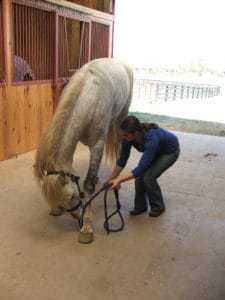
Exercising the multifidus muscles in addition to daily training could reduce equine back pain.
Study finds women whose personalities match their horses’ are likely to have a better equine relationship.
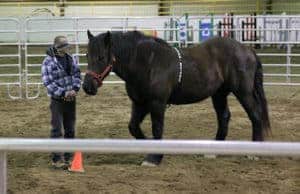
One study found that horses had lower heart rates around nervous humans as compared to calm people.

The field of footing science involves understanding how different kinds of footing affect equine health.

Dutch scientists determined that all non-natural head and neck positions affect horses’ breathing.

Countries can now request a recognition status for African horse sickness from the OIE.

Using the LP allele for reference, researchers determined some prehistoric horses had spots like Appaloosas.
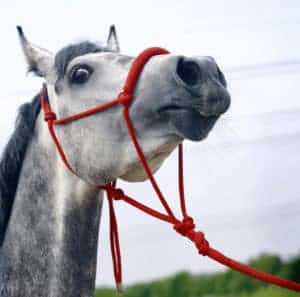
Stress negatively affects horses’ working memory, used in training for associating commands with actions.

Using paleontology, archeology, and genomics, researchers identified the location of equine domestication.

Researchers used heart rate variability to identify stress in horses during air and ground transportation.

The groups’ aim is to invoke globally standardized testing and quarantine requirements for performance horses.
Only four Normandy breeding farms are under quarantine for the disease and events are continuing as planned.

If the proposal passes German horse breeders will no longer be allowed to brand their horses with a hot iron.

Researchers found that foals turned out to pasture had similar joint defects as those exercised daily.
Show officials removed two horses from the show grounds after the animals tested positive for influenza.