Researchers Put Science Behind ‘Willingness to Work’
Researchers are developing an objective test based on physiological and behavioral criteria in horses.


Researchers are developing an objective test based on physiological and behavioral criteria in horses.
Horses seemed more at ease when classical or country music was played compared to rock or jazz.
Show jumper Wonderboy III likely died from a cardiac condition leading to aortic rupture, his owner says.
Thirty-seven percent of the “beef” products tested in a routine study contained equine DNA.

Researchers identified more behavioral signs of discomfort in horses with heads held behind the vertical.
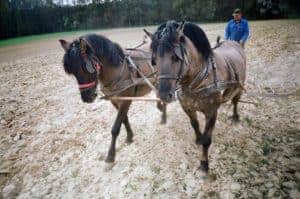
While the program proved stressful, physical parameters appeared within normal limits of horses in training.

British researchers found horses that crib spend less time in “standing sleep” mode than horses that don’t.

Thanks to British researchers, we’re getting a better understand what defines a “happy” equine athlete.

The future of equitation science technology is enormous, provided we know how to use and benefit from it.

By working objectively, equitation scientists could enter a new dimension of understanding equine behavior.

“The road ahead is all about what science can do for the horse,” one international rider says.

Paying attention to certain, sometimes minute, details can help horses enjoy longer athletic careers.

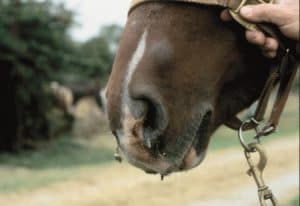
The rule states that any horse with “fresh blood” on its body will be definitively eliminated.

A cut-out patterned English appeared to have multiple benefits when compared to not using a pad.
Several countries could be affected by the equine influenza virus transmitted during October horse sales.
A World Horse Welfare representative spoke on the topic at the 2012 FEI General Assembly, held Thursday.