Virginia Tech Improves and Expands its Equine Neurologic Treatment Stall
The stall is designed to keep horses and caretakers safe during treatment for neurologic conditions and diseases.


The stall is designed to keep horses and caretakers safe during treatment for neurologic conditions and diseases.
The American Veterinary Medical Association has granted U of A approval to open the state’s first public College of Veterinary Medicine.

This newest case of equine herpesvirus myeloencephalopathy in California is reportedly not related to the four horses recently confirmed in Shasta and Sonoma counties. Sixty additional horses were exposed.
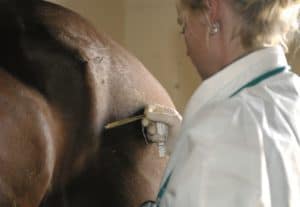
The attending veterinarian reports two additional horses were exposed.
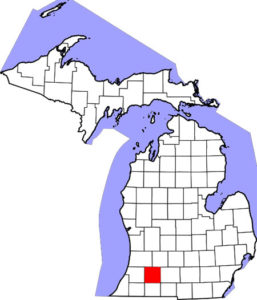
The disease has affected 27 horses in 13 Michigan counties in 2019.

Colorado and Wyoming have newly confirmed positive and suspect premises.

The affected horses resided in Dallas and Kaufman counties.
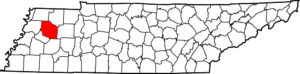
All other horses on the premises received preventive vaccination after the diagnosis.

The Utah Department of Agriculture and Food has enacted an official quarantine.

A third Ashtabula County horse has succumbed to the mosquito-borne disease.
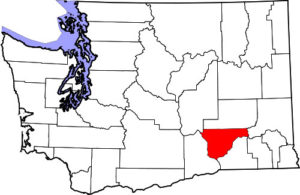
The horse is reported as affected and alive.

Allegan joins the list of Michigan counties affected with equine cases.
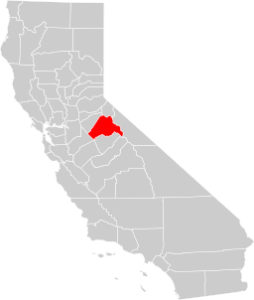
The diagnosis marks Tuolumne County’s first case for 2019.
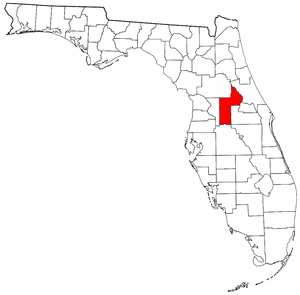
Lake County’s first case brings the state’s equine case total to eight.
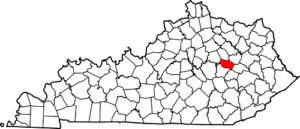
The young Powell County horse succumbed to the mosquito-borne disease.
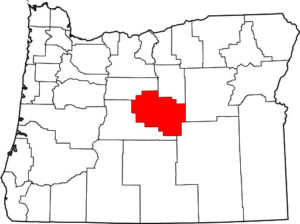
This case marks Crook County’s first-ever WNV case.