Another Connecticut Horse Diagnosed With EEE
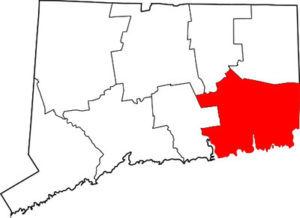
The case marks the fourth New London County horse confirmed EEE-positive in September.


The case marks the fourth New London County horse confirmed EEE-positive in September.

Arrival exams will include an assessment of body condition score and vital signs, examination for lameness at the walk, and a scan for a microchip.

The agency reports three states have been released from VSV quarantine.

The funding will help veterinary scientists improve these large animals’ well-being by preventing and treating health challenges such as equine herpesvirus, strangles, and fungal infection.
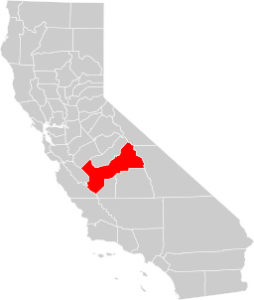
The Fresno County horse is reported as affected and alive.
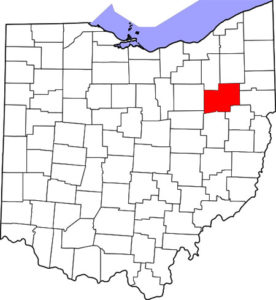
A Stark County horse is the state’s first equine case of 2019.

Newly confirmed cases include horses in Jackson, Kalamazoo, Montcalm, and Newaygo counties.

According to a Sept. 19, 2019, USDA update, the number of newly affected premises has dropped for first time in five weeks.
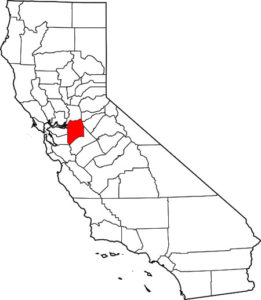
A San Joaquin County mare marks 11th equine case in California this year.
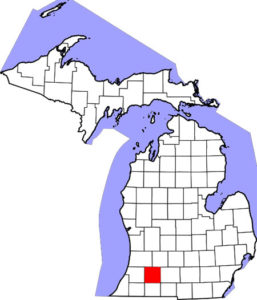
The Miniature Donkey is the state’s 10th Eastern equine encephalomyelitis case in 2019.

Officials have confirmed the state’s fourth equine WNV case for 2019.

Officials have announced the state’s third equine case for 2019.
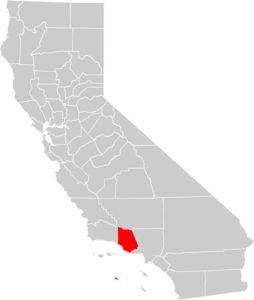
Officials confirm 10th equine WNV case for 2019.
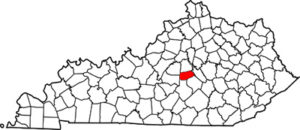
Animal health authorities have confirmed the state’s first equine West Nile virus case of 2019.

This is the state’s third equine case for 2019.
Seven states remain affected by vesicular stomatitis virus.