Treating Hindgut Problems in Horses
Dr. Mary Beth Gordon describes common treatment protocols for hindgut ulcers in horses and the role horse owners play in treatment.


Dr. Mary Beth Gordon describes common treatment protocols for hindgut ulcers in horses and the role horse owners play in treatment.

Dr. Frank Andrews describes signs that might indicate hindgut problems in horses, from lethargy and colic to diarrhea and weight loss, in this Ask TheHorse excerpt.

Dr. Mary Beth Gordon outlines the essential role of the hindgut in horse digestion.

In a research review, scientists found that longer, less intense warmups might improve horse performance and well-being.

Two experts answer your questions about equine osteoarthritis, the No. 1 cause of poor performance in horses. Sponsored by American Regent Animal Health.

Two experts weigh in on common equine hindgut problems and how you can manage them. Sponsored by Purina Animal Nutrition.

Dr. Susan White describes common equine skin problems that might occur in wet or humid weather and how you can manage them.
An equine dermatology expert describes what causes rain rot in horses and how you can prevent and manage it in horses on full-time turnout.

Dr. Rosanna Marsella outlines the difference between these treatments and how you can determine which to use.

Back pain and topline dysfunction can shorten horses’ careers. Learn how one veterinarian diagnoses and treats this soundness problem.

Dr. Susan White explains how owners can manage horses with a history of chronic scratches.

Two biosecurity experts share the best ways you can protect your horse from disease, whether you plan to travel with him or he never leaves the farm.

Create a systematic training program to help you and your horse reach goals while minimizing your horse’s risk of injury and mental burnout.
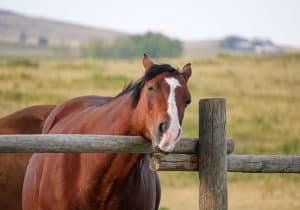
Discover how 2 experts identify and treat skin problems in horses. Sponsored by KineticVet.

An expert reviews material showing 2.5% polyacrylamide hydrogel (PAAG) is effective, long-lasting, and safe for treating early- and late-stage equine osteoarthritis.

How certified veterinary technicians and veterinary assistants improve equine practices.