Managing Acute Hyperinsulinemia-Associated Laminitis in Horses
Reacting quickly and correctly to an episode of HAL will give your horse a greater chance for future soundness.


Reacting quickly and correctly to an episode of HAL will give your horse a greater chance for future soundness.

When managing laminitic horses, making dietary changes is often necessary for the success of other treatment efforts.

Learn why horses with ID might be more likely to develop other conditions such as laminitis and what you and your vet can do to prevent and treat them.

Madeline Boast explains why you might need to provide supplements for horses on a forage-only diet to maintain a healthy equine gut microbiome.

Learn why some horses are more likely to develop EMS and associated laminitis and how to tell if your horse is at risk.

Dr. Robert Jacobs describes the potential effects of long-term NSAID use on the horse’s gut microbiome.

Dr. Robert Jacobs explains how variations in the equine gut microbiome might affect horse behavior.
Equine nutritionist Madeline Boast describes what the horse’s gut microbiome is and how owners can assess its state.

Using orthobiologics to treat tendon and ligament injuries might help lengthen a horse’s career and minimize associated joint issues and chronic pain.
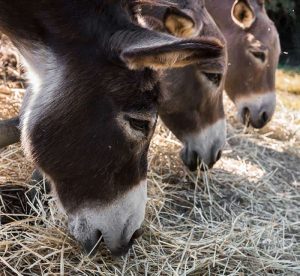
Owners often care for donkeys as they would horses despite distinct differences between the species. Researchers are seeking to change this.

Learn how to support your horse’s gut microbiome in this episode of Ask TheHorse Live. Sponsored by Purina.
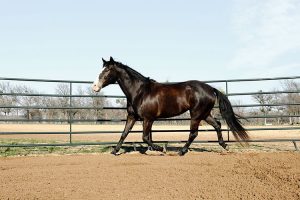
Exercise significantly affects risk of gastric ulcer development in horses, particularly in the glandular region, which underscores the need for management precautions.
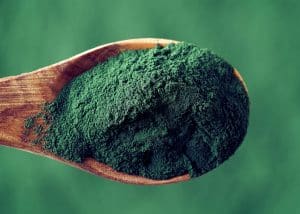
Spirulina might be a beneficial supplement for horses due to its protective effect seen in other species’ joint cartilage.

Radiographs can advise buyers and their veterinarians about pathologies that might pose a threat to the horse’s future soundness.

Researchers used AI to analyze horse conformation and detected differences between fragile foal syndrome carriers and noncarriers that might have performance implications.

Artificial intelligence technology might be able to assist veterinarians in making recommendations to riders about their horse’s performance.