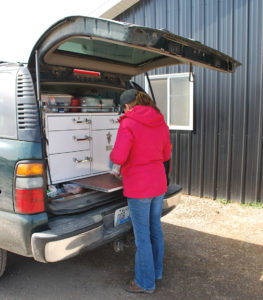
How to Make Equine Veterinary Practice Sustainable
Veterinarians share how they improve sustainability and work-life balance in their practices and how you can implement these ideas in yours.


Veterinarians share how they improve sustainability and work-life balance in their practices and how you can implement these ideas in yours.

3 veterinarians share suggestions for improving your practice’s payment procedures.

Diversity is vital to workplace satisfaction and improved patient care within the equine veterinary profession. Learn practical steps for improving practice diversity.

When mentoring equine veterinary students, veterinarians should combine hands-on learning methods and verbal explanations.

Fluorescent light energy (FLE) promotes healing and provides antimicrobial activity and anti-inflammatory effects in equine wounds and skin conditions.

Many equine veterinarians experience moral distress at least once in their career. Learn why this happens and how you can cope.

Equine standing CT is an accurate diagnostic imaging tool that could make CT safer and more accessible due to its ease of use.

This feed program appeared to improve one horse’s weight, skin, and coat and might have helped him avert gastric issues during a stressful situation.

AAEP Convention keynote speaker Cassandra Worthy explains how you can skillfully adapt and use this proficiency to your advantage in equine practice.
Dr. Luke Bass describes the unique joint changes that might be seen in horses with PPID and EMS.

Dr. Howland Mansfield describes signs a horse is ready to retire from riding, ranging from mild work intolerance to lameness.

Obesity could cause increased damage to your horse’s joints. Here’s why.

Dr. Luke Bass explains why injecting your horse’s joints too frequently might be harmful or reduce treatment efficacy.

Learn how to choose the right bedding, effectively clean your horse’s stall, and protect his airways from ammonia. Sponsored by Sweet PDZ.

Learn how to maintain your senior horse’s joints so he stays comfortable into his later years. Sponsored by American Regent Animal Health.
Horses with ID are at greater risk of developing laminitis. Knowing if your horse has a metabolic problem can help you prevent this painful condition.