Stephanie L. Church, Editorial Director

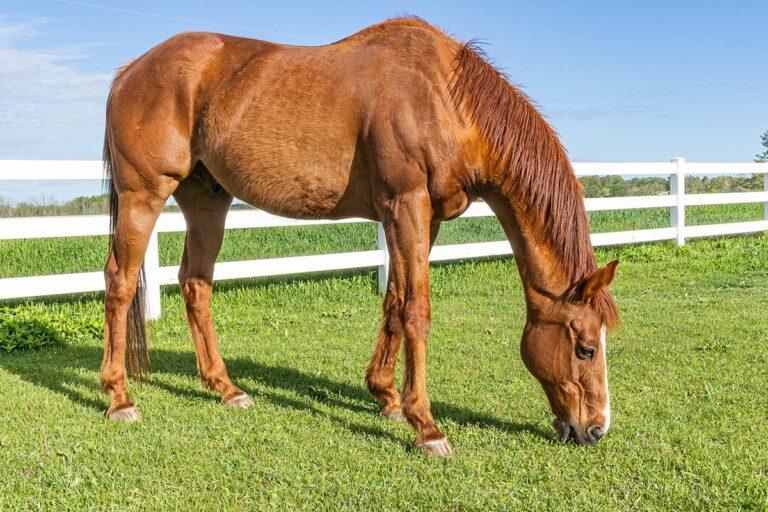
Stephanie L. Church, editorial director for The Horse and Stable Management, grew up riding and caring for her family’s horses in Central Virginia and received a B.A. in journalism and equestrian studies from Averett University. She joined The Horse in 1999 and has led the editorial team since 2010. A 4-H and Pony Club graduate, she enjoys dressage, eventing, and trail riding. Her heart horse, It Happened Again (“Happy,” pictured), a former graded-stakes-winning Thoroughbred gelding, was her longtime mount and remains a lasting inspiration. She now has an 8-year-old off-track Thoroughbred, Dune of Pilat (“Dune”), and is enjoying building a partnership with him. Stephanie is based in Lexington, Kentucky.

Articles by: Stephanie L. Church, Editorial Director

Vesicular Stomatitis Regulation Planning Continues

Nine premises remain under quarantine in Texas due to vesicular stomatitis (VS), according to Max Coats, DVM, MSc, deputy director for Animal Health Programs for the Texas Animal Health Commission (TAHC). On July 13, Breeders’ Cup, the TAHC, and

Read More

Saddlebred Attacks: One Year Later

July 17 marks the one-year anniversary of the deaths of the first two American Saddlebreds near Lexington, Ky., that succumbed to injuries resulting from attacks on their left forelegs. Only two of the five attacked horses survived the ordeal,

Read More

The Live Equine Heart: A First Look (video incl)

On July 9, a human interventional cardiologist and an equine veterinarian in Lexington, Ky., successfully completed the first step of a landmark procedure to repair a heart problem in a 5-month-old Thoroughbred foal called a ventricular septal defect

Read More

Court Order to be Requested to Exhume Maimed Saddlebred

Scientists might have a chance to autopsy the body of the champion Saddlebred euthanized July 17, 2003, and buried following a brutal attack that left him too lame to stand. Four other Saddlebreds were injected in the same attack with a

Read More

Neurologic Herpesvirus Confirmed in Maryland Outbreak

The neurologic form of equine herpesvirus type-1 (EHV-1) has been confirmed as the cause of disease in two Maryland horses infected during a deadly disease outbreak this spring. Twelve horses exhibited signs of neurologic

Read More

U.K. Associations Back Equine Passport Program

The British Equestrian Federation (BEF) and the British Equine Veterinary Association (BEVA) last week expressed support for revised equine passport program regulations presented before Parliament on May 20. United Kingdom horse owners should

Read More

Vesicular Stomatitis in Colorado

Vesicular stomatitis (VS) has been confirmed in three horses on two farms in Colorado, resulting in the quarantine of affected premises and transportation restrictions on Colorado livestock to two other states. One affected farm with two VS

Read More

Kentucky’s First Equine WNV Case of 2004

A 20-year-old Arabian mare in Nelson County, Ky., has been euthanized following a battle with the mosquito-borne neurologic disease West Nile virus (WNV). Kentucky Department of Agriculture (KDA) officials announced confirmation of WNV in the

Read More

West Nile Virus Cases Accumulate–States Await Detection

By June 29, West Nile virus (WNV) cases had popped up in areas of the United States, Canada, and Central America. Eleven states had recorded equine cases in 2004, and while horse owners are more educated than ever on WNV prevention, officials

Read More

Salmonellosis in Central Kentucky

On May 8, Rood & Riddle Equine Hospital in Lexington, Ky, sent out letters to area clients, farm managers, and veterinarians notifying them that an increased number of salmonella cases had been detected at the clinic this year, and explaining the methods staff were using to eliminate the Salmonella organisms and safeguard the health of patients. According to several area

Read More

Vesicular Stomatitis Hits Texas

Vesicular stomatitis (VS), a disease with international implications for animal movement because symptoms mimic those of foot and mouth disease (FMD), was confirmed May 19 in western Texas. Kentucky was the first state to respond–officials

Read More

Emergency Vesicular Stomatitis Rules

Following are summaries of the emergency rules that are in effect currently in Florida and Kentucky, due to the outbreak of VS in New Mexico and Texas. Visit the web sites listed to read the exact wording of the

Read More

Maryland Farm Quarantine Lifted

The quarantine of a Poolesville, Md., farm was lifted June 22 after five weeks passed with no detection of additional cases of neurologic disease. On May 18, veterinarians confirmed the last new case of what could be the neurologic form of equin

Read More

Tests Inconclusive in Maryland Disease Outbreak

Investigators have been unable to make a conclusive diagnosis in the outbreak of equine neurologic disease on a single quarantined farm in Poolesville, Md. There is strong suspicion that equine herpesvirus type-1 (EHV-1) is to blame, but further

Read More

Arizona Horse Slashing Mystery Solved

The necks of more than 20 horses were mysteriously slashed near their jugular veins at Tanque Verde Guest Ranch in Tucson, Ariz., beginning in July, 2003. The attacks launched an investigation, and concern about area horses’ safety erupted.

Read More

More From The Horse

electrolytes for horses; Why Do Electrolytes Encourage Horses to Drink?
spring pasture, turnout tips, horse turn out, horse in pasture, grazing, spring, spring turnout
Horses in their stable
What's New With Weaning?

Stay on top of the most recent Horse Health news with

FREE weekly newsletters from TheHorse.com

Sponsored Content

Weekly Poll

sponsored by:

How often do you apply fly spray to your horse during peak fly season?
176 votes · 176 answers

Readers’ Most Popular

The Horse
Privacy Overview

This website uses cookies so that we can provide you with the best user experience possible. Cookie information is stored in your browser and performs functions such as recognising you when you return to our website and helping our team to understand which sections of the website you find most interesting and useful.