Bluegrass Equine Digest Receives Recognition
The Bluegrass Equine Digest was recently honored during the Thoroughbred Chapter of the Public Relations Society of America’s annual awards.


The Bluegrass Equine Digest was recently honored during the Thoroughbred Chapter of the Public Relations Society of America’s annual awards.

Infectious pathogens can be spread on shared equipment, such as grooming supplies, wipe rags, water buckets, hoses, and tack. Here’s how to reduce your horse’s risk of picking up a disease via equipment at an event.

We asked our fans to submit photos of their muddiest horses in a recent photo contest. Here are a few of our favorite entries, in no particular order.

Here are some things The Horse staff, our Facebook and Twitter fans, and our readers learned from the horsewomen in their lives.

Use this cheat sheet to make sure your young horse–neonate to yearling–is getting the care she needs.

What kept Kentucky Derby and Dubai World Cup winner Animal Kingdom performing at his best as he traveled the world? His trainer Graham Motion explains.

Are you confused about equine nutrition? Learn how to feed your horse in our step-by-step visual guide.

Kentucky Derby and Dubai World Cup-winning trainer Graham Motion shares some thoughts on Thoroughbred racehorses and second careers.

At the Rolex Ride the Course press event, international four-star eventer Lynn Symansky describes how riders prepare horses for the jog the morning after Rolex cross-country.

And while veterinarians are well-versed in how to help keep these performance horses going, there are management techniques and training protocols owners can employ to give their animals that extra edge.
Lecture topics will include equine infectious diseases and climate change, pasture management, and water conservation, among others.

Learn the risks of equine metabolic syndrome (EMS) and get management and treatment tips in this easy-to-follow visual guide.

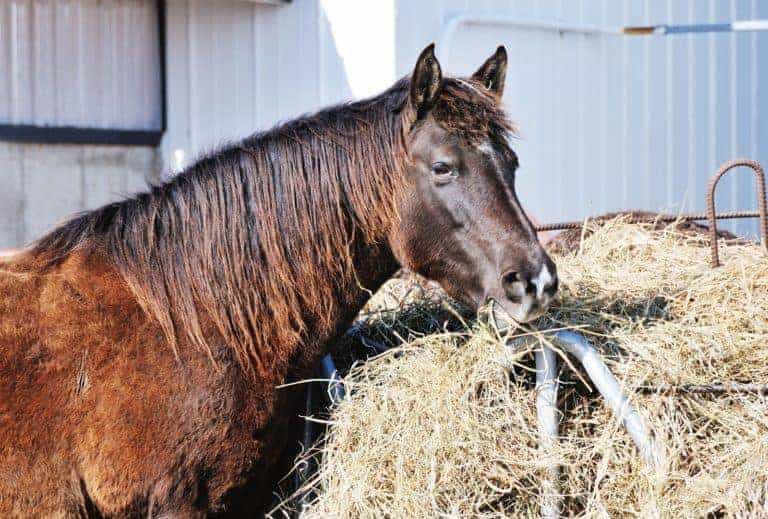
Other equids aren’t the only animals that can transmit disease to our horses: Birds, bugs, and other creatures can also carry diseases that can affect horses. What’s one way to reduce the number of animals in our barns? Careful feed and hay storage.

Charles Wilhelm, of Castro Valley, Calif., explains more about how training with tarps can help desensitize spooky and timid horses.

Halters are used for leading, tying, and handling horses when you’re not riding. Learn the basic options you have for outfitting your horse in a halter.

To collect the best horse-grooming secrets, we went to the experts: You! Here are some of our favorite grooming tips and tools from our Facebook fans.
Stay on top of the most recent Horse Health news with