Supplements for Senior Horse Joint Health
Can supplements improve a senior horse’s joint health once he has started showing signs of stiffness? One expert weighs in.

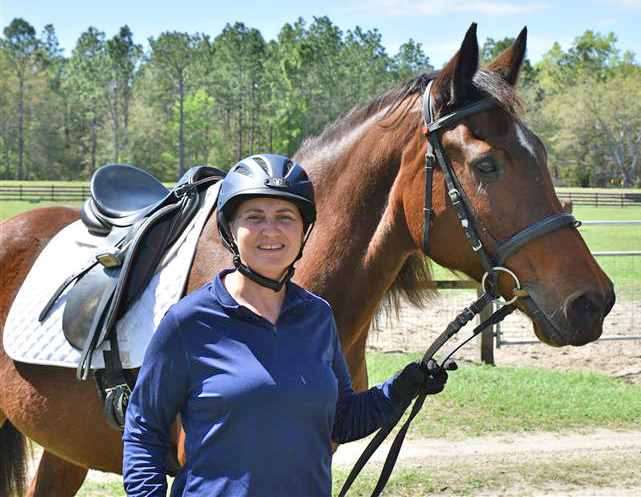
Can supplements improve a senior horse’s joint health once he has started showing signs of stiffness? One expert weighs in.

When do horse training methods cross the line from accepted to abusive? Despite advances in horse welfare and behavior research, abusive training still occurs.

Equine osteoarthritis often develops subtly and is a common result of aging. Learn how a horse’s joints inevitably wear with age and how to keep him comfortable.

The mare lives in Orange County and tested positive for the causative bacterium after a uterine lavage was performed due to retained free fluid after breeding.

Discover the importance of giving special attention to senior horses’ joints during Senior Horse Joint Care Awareness Week, sponsored by NexHA.

Choosing a high-quality feed and forage for your young horse is essential to ensuring her success in training while her body develops.

One equine nutrition expert describes why a horse might choose to drink water with electrolytes over plain water.

Feed donkeys lower-quality forages, such as barley straw or stemmy, mature grass hay, than you would feed a horse.

An inside look at the 2018 EHV-1 outbreak that impacted hundreds of horses at a California show and how to control the disease.
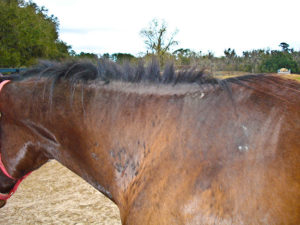
An equine dermatology expert explains how you can manage and prevent insect bite hypersensitivity (IBH) in riding horses during prime competition (and IBH) season.

Use this list of annual preventive care exams to help you keep your veterinary documents organized and up to date.

What causes fevers in horses? When is a fever considered dangerous? Equine veterinarians weigh in.

Most stallions should be fed according to their maintenance requirements, depending on if and how much they’re exercising, when not being bred or collected.

Learn about fibrotic myopathy, MFM, botulism, PSSM, and HYPP and how they affect horses.

The filly lives at a barn in Newaygo County, where two other horses previously tested positive.