Your Horse Needs Forage Even at Night
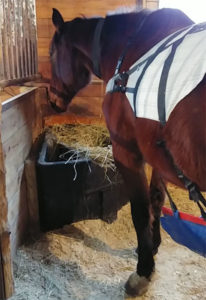
More than four hours without feed is fasting for a horse and can lead to issues. The solution for evening feeding? Slow feeders extended nighttime “grazing” time by 95-105%, researchers observed.


More than four hours without feed is fasting for a horse and can lead to issues. The solution for evening feeding? Slow feeders extended nighttime “grazing” time by 95-105%, researchers observed.

Here’s how to react if your horse consumes feed designed for another animal.
Equine researchers recently found that calcium levels return to baseline within five days, suggesting that weekly furosemide administration in racehorses doesn’t lead to long-term calcium losses that might contribute to skeletal injuries.

A researcher found horses given the supplement startled less.

The diagnosis marks the state’s third confirmed EEE case for 2019.

The 25-year-old Swift County mare had no documented history of WNV vaccination.

All horses were unvaccinated, and all were euthanized.

Owners who struggle to provide their horses with consistently good-quality forage might be able to improve feed digestibility and topline development by offering these horses a fortified feed, researchers find.
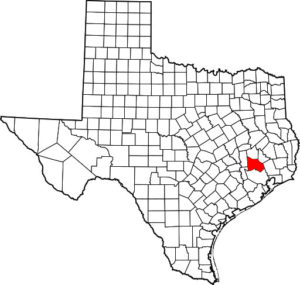
The horse, which had been rescued six weeks prior to presentation, had an unknown vaccination history.
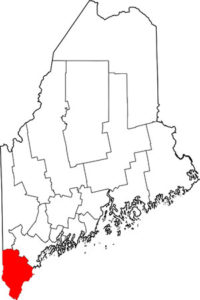
The diagnosis of an unvaccinated yearling colt is the state’s first EEE case since 2013.
The Jockey Club board of stewards, concerned with the narrowing of the diversity of the Thoroughbred gene pool, has announced its consideration of a rule to limit the annual breeding of individual stallions starting with the 2021 breeding season.

Here’s your update on VSV-positive states and counties.
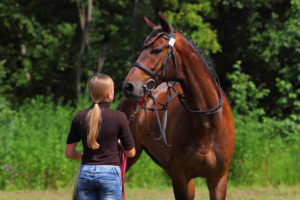
Our equine behavior expert examines if dominance has a role in human-horse interactions, especially during training.

A researcher tested whether treating gastric ulcers as the cause of cribbing could reduce the behavior; omeprazole at a standard dose wasn’t useful for this purpose.

New equine West Nile virus cases have been diagnosed in Kern and Stanislaus counties.

Veterinarians euthanized the 6-month-old colt due to poor prognosis. Additionally, the state has reported its first human case since 2010.