A Power Drill Could Help Cut Down Horse Castration Complications
While many veterinarians use a clamp to accomplish hemostasis, a Swiss research team has uncovered significant benefits offered by a different castration and clamping method.


While many veterinarians use a clamp to accomplish hemostasis, a Swiss research team has uncovered significant benefits offered by a different castration and clamping method.
Researchers reported that more horses avoid being groomed than show signs of liking it. Here are tips to help your horse enjoy his grooming experience.

Can decreasing pasture size also decrease your horse’s weight even if turnout time doesn’t change? A researcher investigated and offers management tips based on her results.

Before you load your horse into a trailer, you might wrap him head-to-toes to protect him. But the most important thing you can do to help him travel unscathed? Drive safely, researchers say.

We asked Prof. Tim Parkin about the data the Equine Injury Database collects on catastrophic racing injuries and how the industry could make it even stronger and more useful.
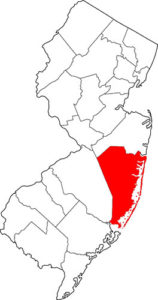
The vaccinated 12-year-old Ocean County mare was euthanized July 23.
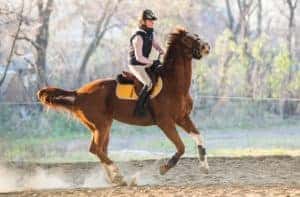
A Virginia Tech researcher investigated the impact of diet on lesson horses. Here’s what she found.

Colorado, New Mexico, and Texas also reported new cases since the last federal situational update was released on July 18. Colorado alone added 40 cases.
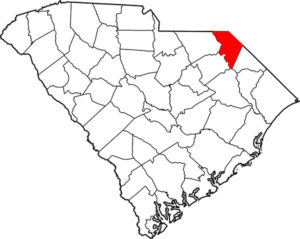
Clemson Livestock Poultry Health confirmed Eastern equine encephalitis in the 3-year-old mare on July 26.
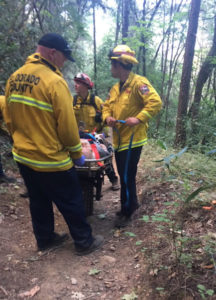
His horse, Princessa, also fell but appeared uninjured.

The 6-week-old Clay County Quarter Horse was euthanized July 15.

Equine infectious anemia is a viral disease that has no vaccine and no cure.
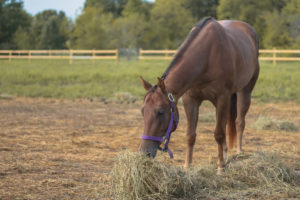
Set your new horse up for success by following these tips to transition his diet and avoid gastric ulcers.
The American Association of Equine Practitioners invites equine veterinarians and veterinary students to its 65th Annual Convention, to be held Dec. 7-11, 2019, at the Colorado Convention Center.
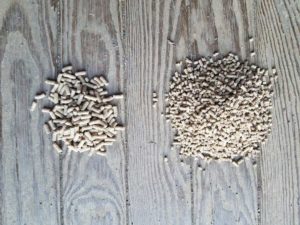
Over time, horse feeds manufactured to meet equine energy and nutrient needs have evolved from mixes of whole grains to textured, pelleted, and extruded types. But does that change how feeds affect horses?
The ASPCA Rescuing Racers Initiative has granted more than $2.25 million to support former racehorses over the past 10 years.