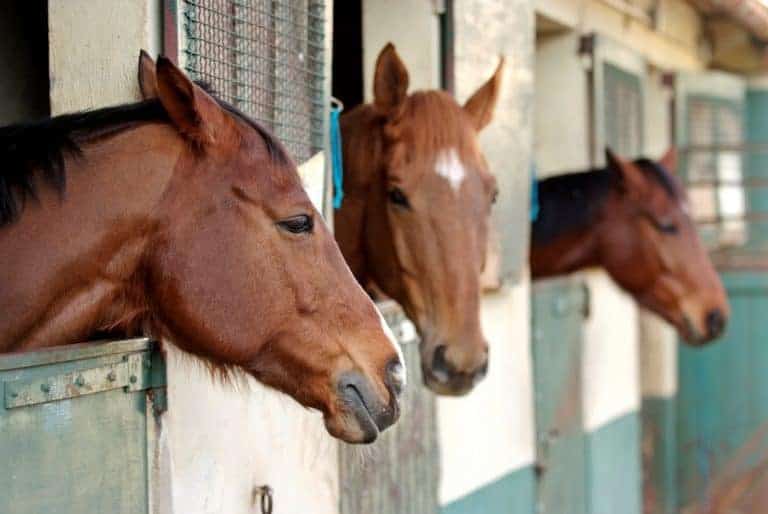
Strangles on the Farm: What Do You Do?
Strangles is highly contagious and can spread rapidly through horse populations and barns, so quick containment is essential. One veterinarian offers his tips on how to stop strangles from spreading.


Strangles is highly contagious and can spread rapidly through horse populations and barns, so quick containment is essential. One veterinarian offers his tips on how to stop strangles from spreading.

In the past 30 years, researchers have made great strides in understanding gastric ulcers. Those findings and ones yet to be made can help improve horse health and welfare now and into the future.

Equestrian Canada reported Nov. 30 that the Canadian Food Inspection Agency National Reference Laboratory confirmed the EIA case on Nov. 21.
Not every owner has access to pasture for their horses. Download this free report to learn more about drylots and special considerations for housing horses in pastureless regions.

The coalition will be rebranded as the United Horse Coalition to reflect the industry’s unity around the importance of aftercare and the progress and extensive resources that have come to fruition since its inception.

Tendon rehab in horses should include heavy and slow loading, pain monitoring, and progressive resistance.
The FBI is seeking information leading to the identification and arrest of those behind alleged extortion and harassment of the operators of The Rickety Ranch, which offers young people the chance to learn about and care for farm animals, including horses, ponies, mules, and donkeys.

Effective Dec. 1, horses granted a therapeutic use exemption can remain on pergolide with no drug withdrawal prior to competition and no need to file a medication report form each time they compete.
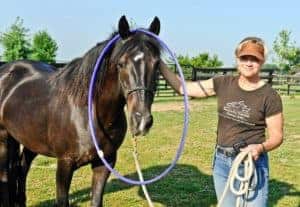
Learn about a welfare-friendly way to desensitize horses.

We all want to be the kind of person other trail riders enjoy being around. Use these eight simple techniques to be a fun and safe riding buddy on the trail.

Polyacrylamide hydrogel (PAAG) and stanolozol might offer veterinarians and owners new alternative treatment options to help reduce pain, improve joint function, and minimize joint tissue deterioration in horses with arthritis.

Dr. Wayne McIlwraith describes how joint treatments for horses have changed over the years and what therapeutic options might be on the horizon.

Harness racing trainer Lou Pena was found responsible for 1,719 equine drug violations in 675 races.
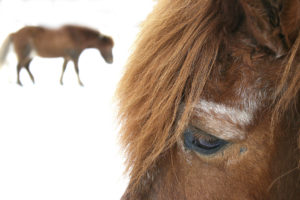
To boot, researchers found that it’s not always easy for owners to spot ocular issues: Owners reported that fewer than 4% of the study horses had some sort of ocular disease, but researchers determined that nearly 90% of them did.

Dr. Stephanie Valberg explains how five major advancements in veterinary technology have helped her and others learn more about and discover new equine muscle disorders.

Researchers tested a sulfadiazine and trimethoprim suspension specifically designed for oral administration with positive results.