30 Years of Equine Nutrition Research: What Have We Learned?
Dr. Joe Pagan founded Kentucky Equine Research in 1988 and, in the three decades following, he and his staff have witnessed the evolution of equine nutrition and research trends.


Dr. Joe Pagan founded Kentucky Equine Research in 1988 and, in the three decades following, he and his staff have witnessed the evolution of equine nutrition and research trends.
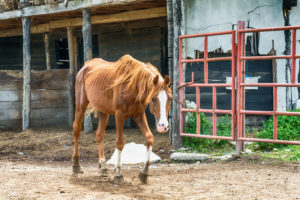
The Equine Welfare Data Collective is aiming to accumulate, analyze, and apply data to enhance programming for transitioning and at-risk horses.
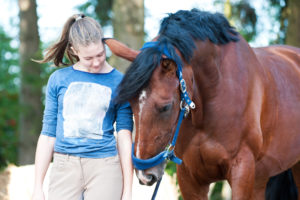
Why won’t a horse participate in positive reinforcement training? A certified equine behaviorist breaks down a few possible explanations, including low reinforcement value, physical pain, and a negative training history, among others.

The unvaccinated 7-year-old Percheron gelding presented with hind-limb ataxia and muscle fasciculation but has a favorable prognosis for recovery.
Authorities found 34 horses in various stages of alleged ill health and malnutrition and two other horses’ remains at the farm in Strongs Prairie.
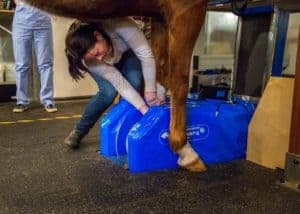
MRI revolutionized the way veterinarians diagnose problems with the equine podotrochlear apparatus. Dr. Kyla Ortved explains its importance and when it’s worth the expense.
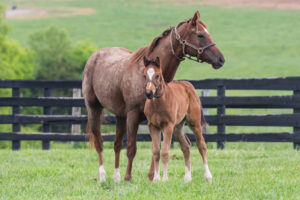
Dr. Ryan Ferris explains the different meanings of “foundation mare” for a reader who owns one but isn’t sure what the term means.
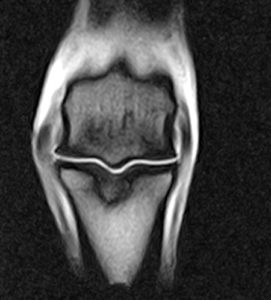
MRI is allowing vets to identify lameness conditions that were harder to evaluate in the past. One such ailment, most frequently found in sport horses, is osseous trauma of the long pastern bone’s sagittal groove. Here’s what they’ve learned so far about this condition.
EHV-1 is more than just a cause of snotty noses in young horses. Learn more about this highly infectious disease and how to protect your horse in this special report.
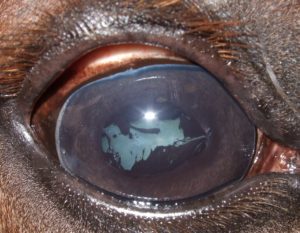
Equine recurrent uveitis (ERU) is an incurable and painful eye condition that can result in vision loss and reduce affected horses’ function and value. Here’s a look at the latest research and findings on this frustrating condition.
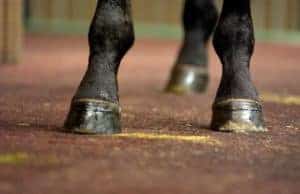
Dr. Kyla Ortved explains the terminology veterinarians and horse people use to describe navicular syndrome and what it all means.

The TAA reaccredited 27 organizations and granted initial accreditation to seven.
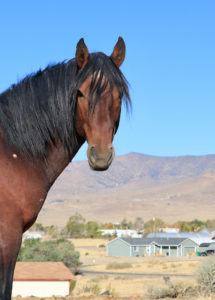
The BLM said a band stallions have created public safety issues by exhibiting aggressive behavior and are causing damage to private property outside of the Pine Nut Mountains Herd Management Area, in Nevada.
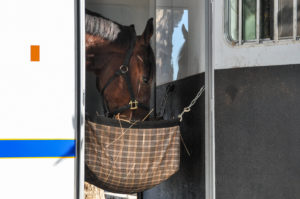
Are you and your horses heading south for the winter? Prepare in advance to keep your equine charges healthy during and after transport.

The two new cases—confirmed in a donkey from Medina County and a Belgian mare from Wyandot County—bring Ohio’s case-count total to 50 so far this year.

When harvested correctly, alfalfa is a high-quality source of protein and calcium for horses.