WNV in Tennessee Horses: Case Confirmed in Warren County
An 8-year-old Tennessee Walking Horse mare from Warren County tested positive on Nov. 1. Her vaccination status is currently unknown.


An 8-year-old Tennessee Walking Horse mare from Warren County tested positive on Nov. 1. Her vaccination status is currently unknown.

An investigation is ongoing, but this case appears to be unrelated to two other confirmed cases of EIA in Colorado this year.

Given the link between the external shape of the hoof capsule and its internal function, trimming and shoeing should optimize functionality and ultimately reduce stress, both to prevent injury and to treat established pathology, one veterinarian says.

A federal judge has temporarily halted a BLM plan to perform ovariectomies on 100 wild mares gathered from the Warm Springs Herd Management Area, in Oregon.

The Wyoming Livestock Board completed the 60-day post-exposure tests on 61 equids residing at 12 premises in eight counties. All test results were negative.
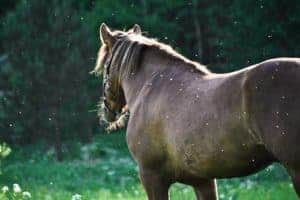
Learn how rising temperatures and higher rainfall totals might lead to an increased risk of mosquito- and tick-borne disease in horses.
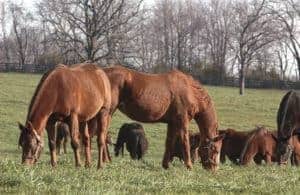
Caring for pastures by preventing overgrazing in the winter can increase spring and summer yields.

Horses with WNV were identified in Brooks, Franklin, and Hart counties.

The 6-year-old Thoroughbred gelding, who was vaccinated against WNV approximately 10 months ago, is recovering from the disease.
The Georgia Department of Agriculture confirmed three EIA cases in Lamar County in August.

How to unravel the reason behind your horse’s head-scratching weight loss.

Find out how veterinarians used ozone to treat a mare with complications associated with superficial digital flexor tendinitis.

A ridden lameness exam allows the veterinarian to watch the horse while doing its job and at other gaits besides the walk and trot, which can help veterinarians garner additional information about potential problems.

Hronis Racing’s Accelerate rolled from just off the pace to prevail as the 5-2 favorite in Saturday’s $5,358,000 Breeders’ Cup Classic (Grade 1) at Churchill Downs, in Louisville, Kentucky.

Eventing horse Caipirina tested positive for boldenone, boldenone undecylenate, and ractopamine while jumping horse Bardolina 2 tested positive for O-desmethylvenlafaxine.

Researchers concluded that high-power laser therapy, administered with the device tested in this study, is safe, results in fairly low reinjury rates, and affords a fairly quick return to performance.