
The horses live in Montgomery and Anne Arundel counties.


Make sure you choose the right type and amount of salt to support your horse’s health—especially during extreme heat.
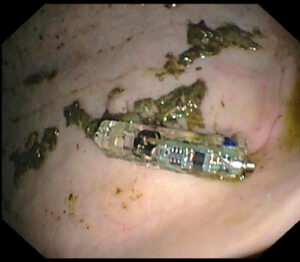
This capsule gives veterinarians and researchers a noninvasive way to track ulcer treatment progress in horses without repeated scoping.

Learn about 5 key physical indicators of forage quality and how to gather a hay sample and interpret a chemical analysis.

The horse that tested positive for Eastern equine encephalitis lived in Nassau County and was euthanized.
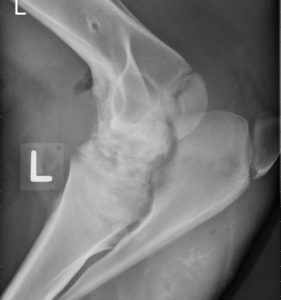
Dr. Tena Ursini describes why veterinarians need to use imaging to confirm a diagnosis of equine osteoarthritis and which modalities they usually turn to first.

The 20-year-old mare that tested positive for equine herpesvirus-1 lived in Sussex County.

Get the facts on diagnosing and treating sarcoids in equids and what scientists are learning about this complex condition.

The horses confirmed positive for West Nile virus live in Barber and Reno counties.
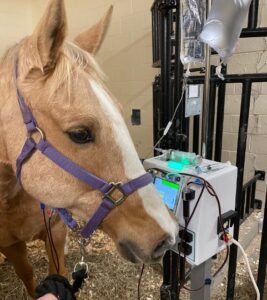
Hemoperfusion—filtering blood through a column to remove toxins—shows promise for managing sepsis in horses with pleuropneumonia, endotoxemia, and more.
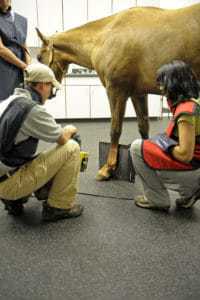
Diagnostic imaging results are clearer than ever, but how they will affect a horse’s performance career isn’t always evident.

A veterinarian answers a reader’s question on why some horses have runny manure certain times of the year.

An equine sports medicine expert explains common ligament injuries that can occur in the horse’s stifle region and how veterinarians treat them.

The equine infectious anemia cases are located in Wise, Crane, Harris, Brazos, Williamson, and Navarro counties.