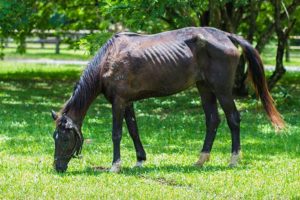
Refeeding Starved or Malnourished Horses
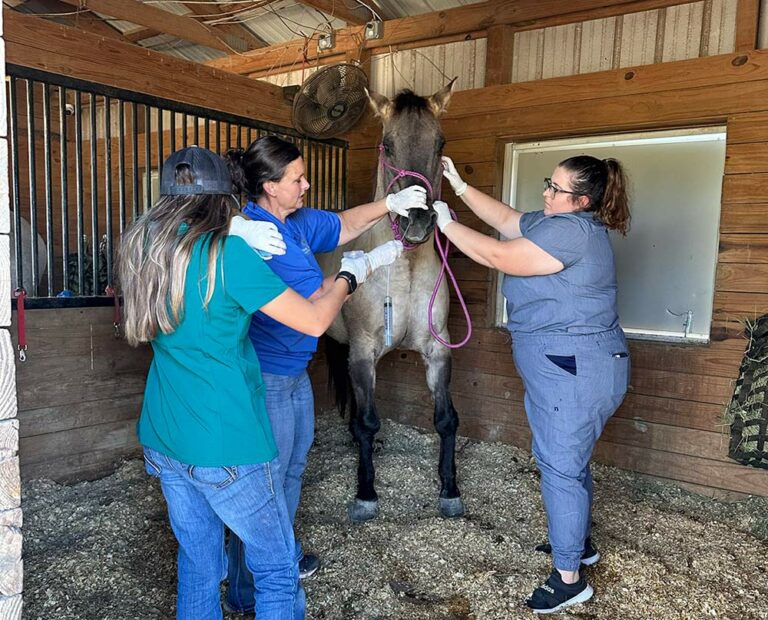
Learn about when a horse might need a refeeding program and factors to consider when implementing it.

Learn about when a horse might need a refeeding program and factors to consider when implementing it.
A resident in equine internal medicine conducted a study to find out what horses with fecal water syndrome have in common. The answer? Certain management practices.

See how mares have become champions at the highest levels of dressage, show jumping, and 3-day eventing in this article from The Horse‘s Summer 2025 issue.


The 3-year-old Miniature Horse lives in Shenandoah County.


Dr. Stacey Cordivano describes the best way to store your horse’s health and identification records in case of emergency.

The Arabian filly, diagnosed with West nile virus, lived in Boyle County and was euthanized.
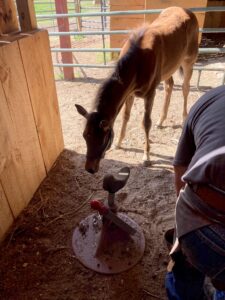
Start handling your foal’s feet early and schedule prompt farrier visits to support healthy limb development and instill good manners for lifelong hoof care.

Research and advancements are improving our understanding of how water exercise benefits both healthy and rehabbing horses.

Equine gastric ulcers often go unnoticed, especially in subclinical cases. Subtle signs can offer clues, while researchers explore biomarkers for future screening.

Horses with EMS are at a higher risk of developing laminitis. Use these 6 science-backed tips to help reduce your EMS horse’s risk of laminitis.


The Quarter Horse gelding lived in Brevard County and tested positive for Eastern equine encephalitis.

What are your options if your horse sustains a major injury or needs surgery, but you don’t have the means to pay for it? Find out in this Ask TheHorse Live excerpt.