Can My Horse Eat Hay With Preservatives?
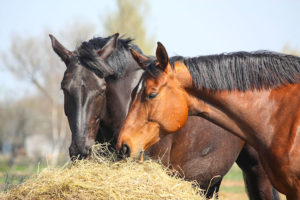
Although researchers have shown horses prefer untreated hay, it is safe for horses to eat hay treated with preservatives. An equine nutritionist explains why.

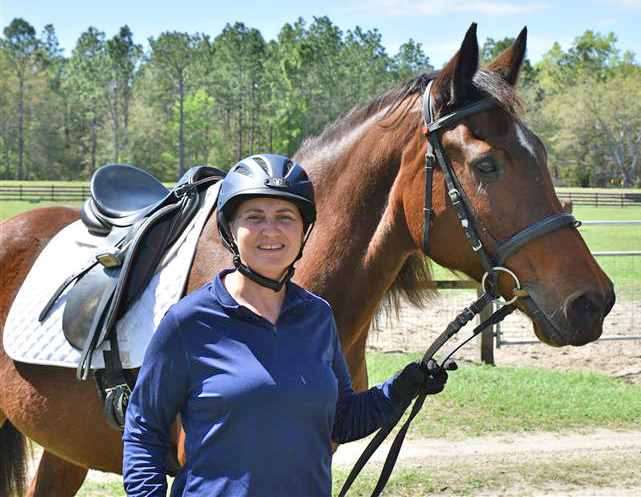
Although researchers have shown horses prefer untreated hay, it is safe for horses to eat hay treated with preservatives. An equine nutritionist explains why.

Listen to all things horse hay with Carey Williams, PhD, to better understand what kind of and how much hay to feed your horses. Sponsored by Tribute Equine Nutrition.

The horse lives in Polk County.


The cases are located in Douglas County, where 50 additional horses have been exposed.
Chronic diarrhea in horses has many possible causes, from sand accumulation to lymphoma. Find out how veterinarians diagnose and manage these challenging cases.

Have your veterinarian perform a fecal egg count reduction test to ensure your horse‘s deworming protocol is effective and to reduce the incidence of parasite resistance.

At the University of Kentucky, multiple awards will support research on foal pneumonia, rotavirus, vaccination response, inflammation, and early pregnancy loss in horses.

The case is located in Sandoval County and is the index case of VSV for New Mexico in 2026.


Find out what commonly applied practices horse owners and caretakers tend to overdo.

Two equine hoof care professionals share examples of how they diagnosed, treated, and maintained horses suffering from hoof-related lamenesses.

Joint injections can be complicated by a horse’s age, purpose, and health. Here’s how veterinarians approach various scenarios.
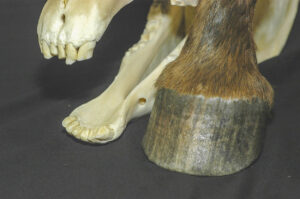
Healthy, well-maintained hooves can stay strong for decades—supporting horses from their first steps to their final years.

Travel, stress, forage changes, and competition schedules can all disrupt a horse’s gut health. Learn how digestive support might help.