Wisconsin Gelding Tests Positive for Strangles and Influenza
The horse lives in Sauk County and came from a local dealer that rescues horses from kill pens.

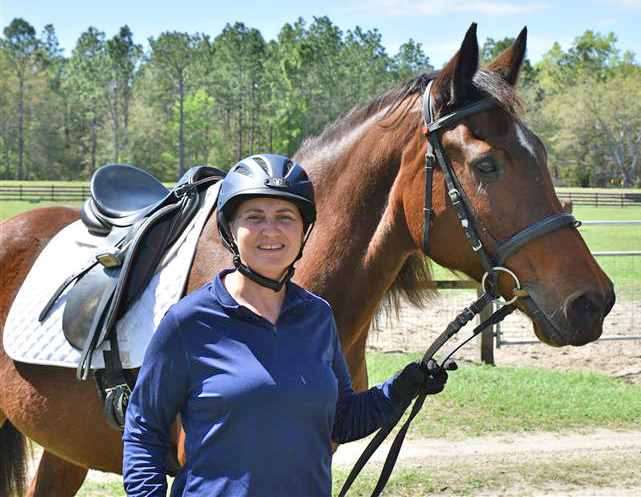
The horse lives in Sauk County and came from a local dealer that rescues horses from kill pens.

The cases are located in Clackamas and Lane counties.

Your horse needs essential nutrients from the diet to stay healthy. An equine nutritionist explains how to meet those needs through proper feeding.

The horses live in McIntosh County, where 70 horses have been exposed.

One horse in Racine County, Wisconsin, has tested positive for strangles, and one additional horse has clinical signs.

While steeped in tradition, feeding bran mashes can cause GI distress in horses. Learn why, and discover alternatives.

From wildfires to floods, proactive disaster planning can help horse owners protect horses, staff, and farms before emergencies strike.
Two veterinarians answer your equine gastric ulcer questions during this recent Ask TheHorse podcast episode. Brought to you by Bimeda.
Learn how veterinarians distinguish fecal water syndrome from true chronic diarrhea in horses, uncover likely causes, and guide management.
The horse lives in Clark County, where one additional horse has been exposed.
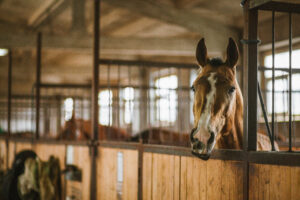
The horse lives at a private facility in Dane County.
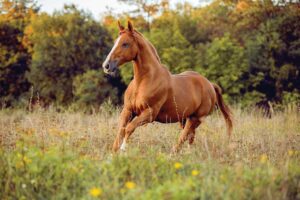
Widespread exposure but relatively rare clinical disease makes Lyme disease diagnosis and treatment challenging. Read more in The Horse‘s Spring 2026 issue.

Subtle joint inflammation can limit performance before lameness appears. Learn how to recognize early stress and support active horses in training.
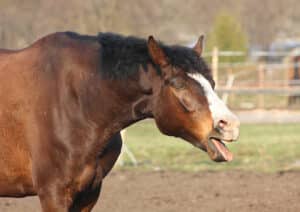
Researchers identified regional differences in fungi found in asthmatic horses’ airways. Here’s how you can manage your horse’s risk.

The cases are located in Crook County, where 30 horses have been exposed.

Read about how Mindful, a 21-year-old Hanoverian gelding, stayed competitive at the highest levels.