Paynter May Race in San Diego Handicap
After recovering from colitis and laminitis last year, the colt is pointed toward his second start in 2013.


After recovering from colitis and laminitis last year, the colt is pointed toward his second start in 2013.
Is the equine vaccine for snakebites effective against all rattlesnake species in the United States?
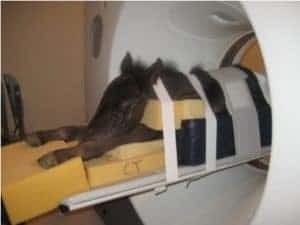
Veterinarians are taking a page from human medicine books by using CT to evaluate pulmonary disease in foals.
Sessions on hay production and equine parasite control recommendations will be offered.
The ELCR provides tools, information, resources, and technical assistance to help maintain horse lands.

Lactating mares on good quality pasture didn’t need grain to maintain their weight or their foals’ growth.
The 2013 award will honor advances in the understanding of equine emerging diseases.
On Aug. 10, the University of Georgia (UGA) will play host to a horse health seminar for owners.
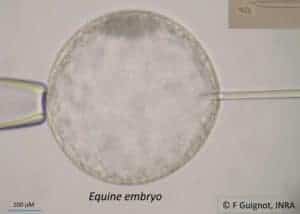
One embryo biopsy technique yields accurate results for sex determination without serious threat to survival.
Horses residing on two English premises have tested positive for equine herpesvirus-1.
Best practices were identified in virtually every primary area of focus, including horse health practices.
Authorities in Western Australia determining what’s causing small, round lumps in horses mouths.

Drs. Sarah le Jeune and Jorge Nieto are now board-certified specialists in sports medicine and rehabilitation.

Dr. Graeme Cooke, FEI veterinary director, discusses how we can better facilitate movement of horses for international competition while preventing the spread of disease.
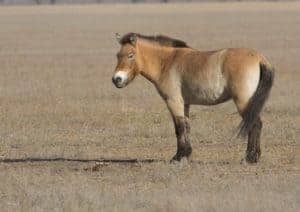
The 700,000-year-old stallion is the oldest animal of any species to have its DNA fully sequenced.
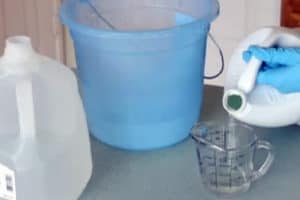
Dr. Brandy Burgess of Colorado State University describes how to select a disinfectant to protect horses from infectious disease agents, based on organic material present, surface type, and disinfecting goals.