Giving horses sufficient time to recover from athletic events could help them avoid acute injury and long-term health problems.
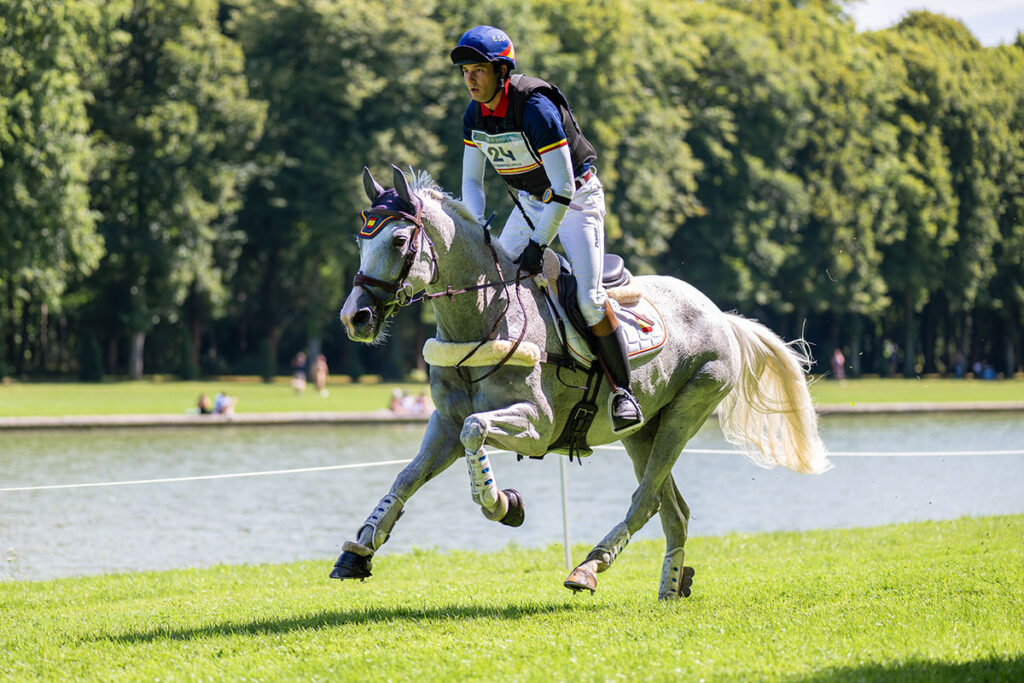
Training and conditioning sport horses helps prepare them both physically and mentally for competition, but the process can take a toll on their bodies. Without adequate rest, a horse’s body cannot fully recover, leading to overexertion and potentially acute injury or longterm soundness problems, increased risk of injury, and the horse becoming mentally burnt out.
Recovery activities and the amount of time a horse needs to recuperate depend on the individual horse and his workload. For example, a horse jumping a 1.60-meter (5.25-foot) course in competition needs a different recovery plan than a racehorse in training or a dressage horse competing second level.
“The recovery time (needed) is dictated by the individual horse, the type of work performed, the general health of the body, age of the horse, and so on,” says Tim Worden, PhD, an equestrian sports performance consultant based in Ontario, Canada. “In general, younger and healthier horses will recover faster than older horses or those struggling with health issues.”
How The Horse’s Body Recovers
“Following exercise, the body works to restore normal function, repair damaged structures, remove any by-products of exercise, and replenish resources such as energy,” says Worden. “Additionally, exercise stimulates different signaling pathways, which lead to proteins being assembled in the body to improve exercise tolerance (e.g., structures in muscle that can improve oxidative capacity or increase force output) for the next time the horse needs to perform a strenuous activity.”
He adds that these processes take time, and a lack of proper rest can cause overexertion in the short-term or overtraining—an imbalance between workload and recovery—in the long-term. “While allowing the horse to recover from a workout on Monday, you can still perform work on Tuesday, assuming you accommodate the fatigue level from the preceding day and steer clear of exercises that place similar demands on the body (for example, avoid doing two high-intensity jumping workouts on back-to-back days),” he says.
What Can a Horse’s Recovery Time Look Like?
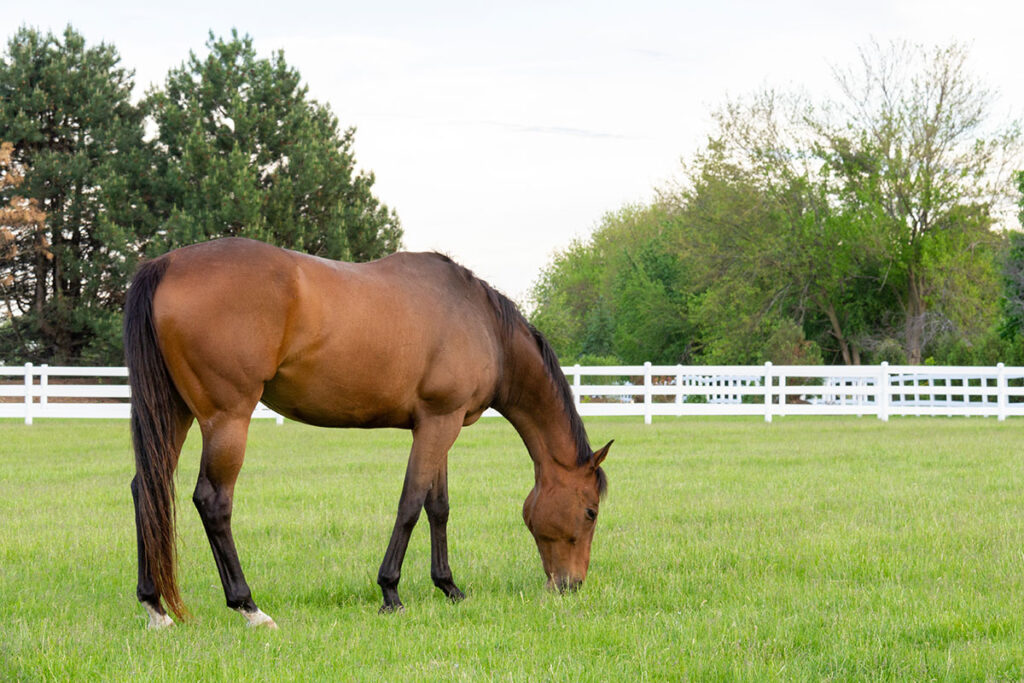
and competition. | Adobe stock
Recovery can be divided into two categories: passive and active. Passive recovery involves no added physical activity, which for horses usually means spending a day turned out with no ridden exercise or groundwork, says Worden. “Active recovery is the deliberate prescription of low-to-moderate-intensity exercise to aid in the restoration of the horse’s body,” he explains. This could be going for a trail ride or a light walk, trot, and canter on a track or in a field to let the horse stretch his body.
“Recovery will vary with the type of exertion and the horse’s level of fitness,”says Steve Adair, MS, DVM, Dipl. ACVS, ACVSMR, associate professor at the University of Tennessee’s College of Veterinary Medicine, in Knoxville. “Recovery time may be a few hours between events up to a few days. Recovery time can be anything from a complete layoff to non-sport-specific exercise such as trail riding.”
“If I am building a training program, I may have one passive recovery day per week (assuming the horse can have extended turnout), but most of the time I prefer to use active recovery means,” says Worden. “Active recovery is helpful for pumping nutrients to the musculoskeletal system while simultaneously removing molecules and chemicals that accumulated during the preceding intense exercise.”
Active recovery can also give riders a chance to identify any potential soundness issues during less-intense training and provide horses with a mental break from typical ridden ring work.
“In my opinion, the No. 1 recovery method will always be active recovery,” says Worden. “Getting horses out of their normal environment and doing something fun. Some horses enjoy going for hacks, others enjoy controlled gallops on a track, and some will enjoy going to the beach. Figure out what allows your horse to mentally recharge and build that into your program as often as possible.”
Adair says the type of recovery time horses need varies tremendously depending on the sport. “For instance, a halter horse is not going to need much recovery between shows, whereas a 100-mile endurance horse may require several days to a couple of weeks for recovery,” he explains.
The Trainer’s Role in Planning Recovery Time
When building a program, trainers should tailor a horse’s recovery time to match his workload. “As trainers, we are essentially stress managers,” says Worden, applying stress in the form of exercise to stimulate the signaling pathways mentioned earlier. This “will ultimately result in improved aerobic performance, technique, power generation, and so on.”
Trainers should also ensure the horse’s recovery time is efficient and maximizes the training benefits. “A horse can perform a lot of quality work in training, but if there are issues with the recovery means chosen, then any potential gains will be lost or, in worst-case scenarios, lead to injury,” Worden adds.
Always consider fitness when planning recovery time. “The less fit an individual, the longer the recovery period that is needed,” says Adair. “The tissues (muscles, tendons, ligaments, cardiovascular system, etc.) of an unfit individual have not been conditioned to withstand heavy stress, thus they are more susceptible to injury.”
Riders and trainers can work with exercise physiologists and their horses’ veterinarians to perform multiday fitness tests designed to determine horses’ readiness to perform following a variety of recovery times, says Worden. Fitness wearables, which can collect information on the movement and health data (i.e., heart and respiration rates), can also give trainers and veterinarians more information about horses’ optimal recovery times, especially if used in daily training.
Do Long Periods of Rest From Exercise Benefit Horses?
In some cases trainers might choose to give horses several weeks of rest, especially during the winter in colder climates.
However, long periods of complete rest are often not favorable to a horse’s health; keeping horses at a minimal level of fitness is often more beneficial, says Adair. “Exercise and movement are important to prevent nagging issues from becoming a problem,” he explains. “For example, older horses with arthritis tend to fall apart if they are laid off for several weeks. It is better that they have some type of exercise, even if it is just trail riding.”
Happy and sound mature horses in a well-constructed training program often do not need extended periods of rest, adds Worden. “I would prefer to give a week or 10 days of passive and active recovery a few times throughout the year versus one or two months off at one time,” he says. “The hardest thing to do in sports programming is to build an athlete back up (from significant time off or an injury) so, for that reason, I tend to stay a bit further away from extended time off.”
He adds that longer rest periods can help horses that have been overtrained, because giving the body time to fully recover is often the best way to counteract overtraining. “Once a horse has reached the overtraining stage, you cannot continue to train through it,” Worden says. “If you do, you are likely to have an injury arise at some point.”
Longer periods of rest might also benefit younger horses because it gives them a break from the training environment, which can be mentally draining for them. Having downtime turned out with other horses can help them remain happy and sound in their work in the future.
Care During Recovery
“Proper foot care is very important,” says Adair. Correctly shoeing and trimming the foot to match the conformation of the leg and offer maximum weight-bearing support under the limbs can help horses maintain long-term soundness and reduce their risk of injury.
“Chiropractic evaluation and massage therapy can also be of benefit,” he adds, noting that while there are many anecdotal claims about the benefits of complementary therapies for recovery, more research is needed to confirm their efficacy.
Having a skilled team available to regularly evaluate the horse will help maximize recovery time. “Someone who can ‘listen’ with their hands is vital for both guiding therapy and training decisions,” explains Adair. “To know exactly where the horse is muscle sore following a workout and how the body responds to different types of exercises can tell you a lot about strengths and weaknesses.”
Take-Home Message
Appropriate recovery time is crucial to a horse’s long-term health and happiness in his work. Following exercise, a horse’s body needs to restore normal function, repair, and replenish energy supplies. The amount of time a horse needs to recover can vary greatly depending on the individual and the work he performs. Riders and trainers can use both active and passive recovery in their training programs and should find active recovery methods horses enjoy to help them recover mentally from challenging work.
Know the horse. “Ultimately, the most important thing for owners, riders, trainers, grooms, etc., to do is observe the horse and listen to what it is telling you,” says Worden. “If you know a horse well, then you will be able to detect slight personality and movement characteristics that indicate it is not yet fully recovered and may need an extra day before the next workout. It is always better to give an athlete an extra day off than to push them too soon and (risk) an injury or impact their confidence.”