Sponsored by Gastrobim
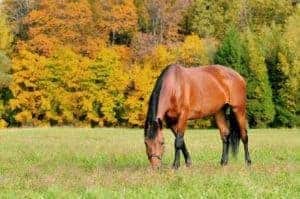
chestnut horse

The equine gastrointestinal microbiome consists of a diverse community of microorganisms throughout the horse’s digestive tract that work together to support digestion, health, and behavior. When that system stays in balance, everything typically runs smoothly, and the horse might appear healthy. When it becomes unbalanced, the horse can develop a variety of illnesses. Read on to better understand the horse’s GI microbiome and how you can help keep it (and, in effect, your entire horse) healthy.

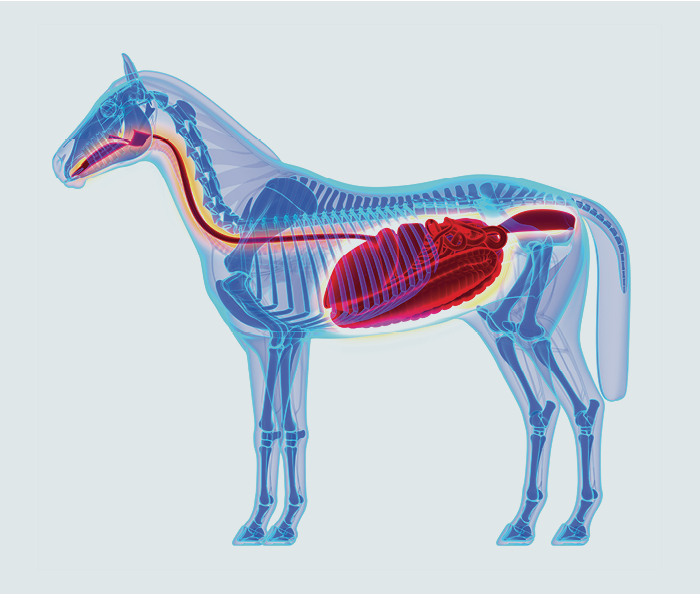
Where Do Microbes Work?

Foregut (stomach and small intestine)

  • Digest starches, simple sugars, fats, and proteins
  • Microbe imbalances can cause equine gastric ulcer syndrome (EGUS)


Hindgut (cecum and large intestine)

  • Ferment complex fibers such as cellu­lose and hemicellulose
  • Supply more than 50% of daily energy

Microbiome Balance

A horse’s GI microbial balance varies due to:

  • Diet and forage quality
  • Seasonal changes
  • Age
  • Stress and management
  • Disease and antibiotics (antibiotics can disrupt both harmful and beneficial microbes)

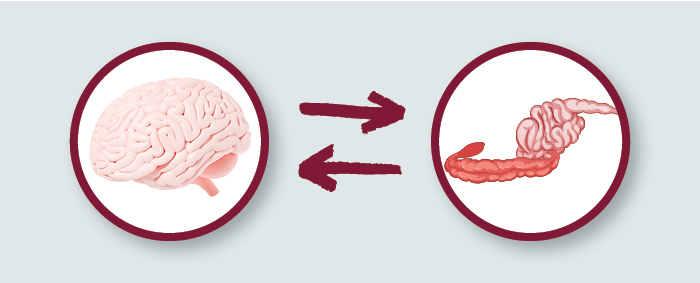
What is the Horse’s Microbiome-Gut-Brain Axis?

This bidirectional communication network connects the horse’s digestive health with mood, behavior, and cognitive functions. High- starch diets can disturb the microbial balance, which might show as:

  • Reactivity
  • Nervousness
  • Aggression
gut brain axis

If the gut microbiome becomes imbalanced the horse could show the following signs:

  • Gastric ulcers
  • Diarrhea
  • Colic/colitis (abdominal pain or inflammation of the large or small colon, respectively)
  • Laminitis (inflammation of the tissue that suspends the coffin bone within the hoof)
  • Reduced immune function

Supporting a Healthy Gut Microbiome

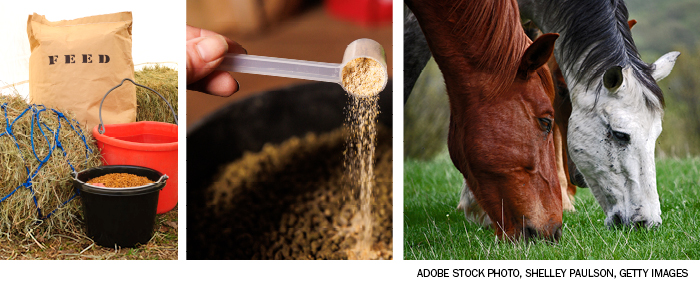
Adjusting the horse’s environment and management strategies can help balance the gut microbiome and keep it balanced. This includes several factors:

Nutrition

  • Emphasize forage and fiber in the diet
  • Make dietary changes gradually over about two weeks

Supplements

  • Prebiotics
  • Probiotics
  • Postbiotics

Management

  • Reduce the horse’s stress 
  • Provide plenty of turnout and pasture time 
  • Monitor the horse’s feed intake and subsequent behavior changes

Take-Home Message

Healthy gut microbes support the horse’s digestion, behavior, and overall health. To help keep the horse’s microbiome in balance, avoid rapid diet changes, manage stress where you can, watch for early signs something’s off, and contact your veterinarian if you see any problems.