Essential steps to protect your horse’s health and safety after a natural disaster
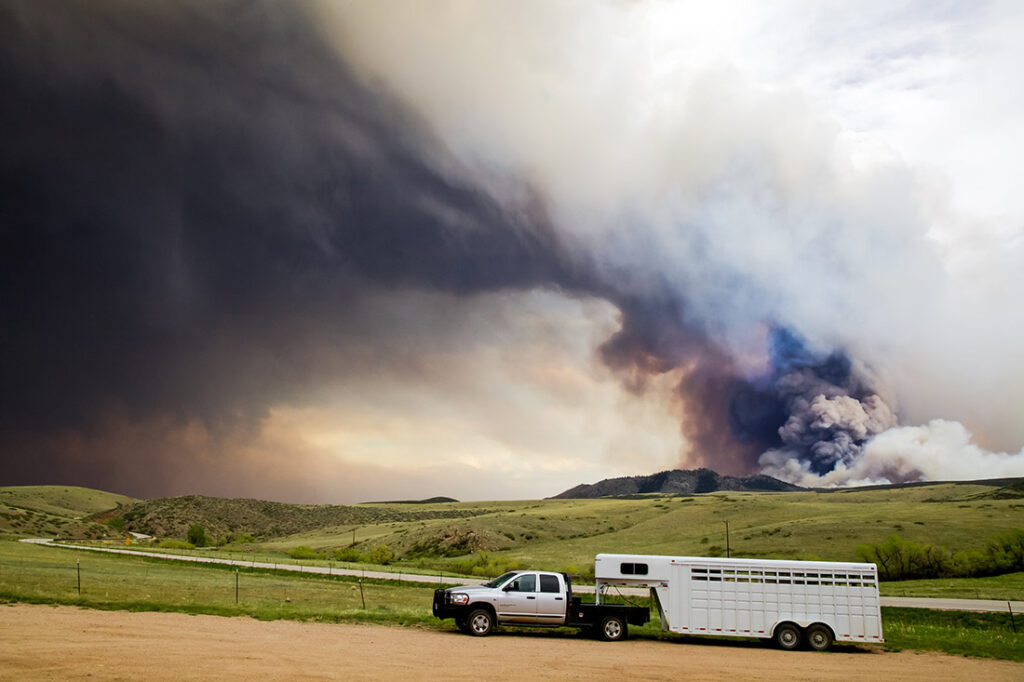
Natural disasters touch every part of the world. Horse owners need a plan when they happen. Let’s walk through the most important steps to take once it’s safe to check on your horse.
In the Immediate Aftermath
First make sure you have all your animals accounted for. This might sound obvious, but it’s Step 1 for a reason. Fences fail, gates break, and animals get loose. Confirm everyone is present before moving to the next task.
Next, check carefully for injuries. Go over your horse from nose to tail, paying special attention to the legs. Look for cuts, abrasions, swelling, or foreign material. Even small wounds in the lower limb can become serious quickly, especially if a joint or tendon sheath is involved.
If you find injuries, start by gently cleaning them and apply an appropriate topical medication. Silver sulfadiazine is a great option because it’s safe for most tissues, including around the eyes, and simplifies decision-making when things feel chaotic. Apply bandages to wounds whenever possible. Baby diapers work surprisingly well for quick, effective coverage in a pinch. Take clear photos of any concerning injuries to share with your veterinarian.
If your property is flooded, getting your horse out of standing water becomes an immediate priority. Floodwater often contains bacteria, chemicals, and debris. Prolonged exposure contaminates wounds, worsens skin irritation, and can lead to skin sloughing on the lower limbs. Even horses without obvious injuries are at risk. Move them to the driest, safest ground available as soon as conditions allow.
Next Steps After a Natural Disaster
After you’ve addressed injuries assess food and water. Ideally you’ve staged these ahead of time, but this becomes your next priority if you haven’t. Ensure access to clean water first, and then find hay or safe pasture grass.
You’ll also want to establish a safe area for containing your horses. Fencing and structures might be compromised, so think creatively. Panels, temporary posts, or hot wire can help create a small secure space. After a disaster horses are often anxious and surrounded by hazards. A controlled area helps you both avoid debris. Always check any enclosure thoroughly before turning a horse into it.
If you haven’t been able to find your horse, or if you’ve found him and he has injuries, locate your local emergency staging area. These become hubs for first responders and are often the best place to find veterinary assistance. If roads are safe and passable, transporting your horse there allows veterinarians to treat more animals efficiently with centralized supplies. Just be sure the route is clear before loading up.
Recovery after a natural disaster doesn’t happen quickly. Expect it to be a gradual process. Focus on small, manageable steps each day as you work toward getting both you and your horse back to normal.
Take-Home Message
If there’s one takeaway from all of this, it’s this: The best way to handle the aftermath of a natural disaster is to prepare before it ever happens, if possible. Having a plan in place, supplies staged, and a safe setup ready to go can help turn a difficult situation into one you can manage.