The Evolution of Equine Infection Control
Dr. Josie Traub-Dargatz shares lessons learned from equine disease outbreaks and tactics for avoiding infection spread.
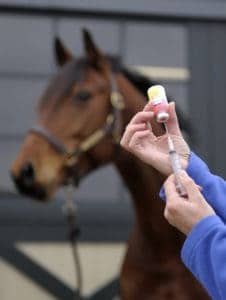
Help Prevent West Nile Virus: It?s Not Too Late to Vaccinate
The AAEP recognizes the WNV vaccine as a core vaccine and recommends horses receive at least one dose annually.
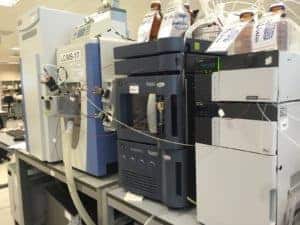
New Technique Tests Horse Urine for 100+ Drugs
The automatic test’s short run time enables a high throughput with minimal labor requirements, researchers say.
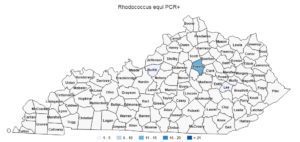
UKVDL Map of the Month: R. equi
Rhodococcus equi is the most serious cause of bacterial pneumonia in foals 4 to 6 months old.

Help Prevent West Nile Virus: It’s Not Too Late to Vaccinate
The AAEP recognizes the WNV vaccine as a core vaccine and recommends horses receive at least one dose annually.
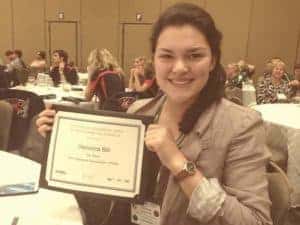
UK Graduate Student Spotlight: Veronica Bill
Veronica Bill is studying the relationship between forage chemical composition and equine digestion and nutrition.
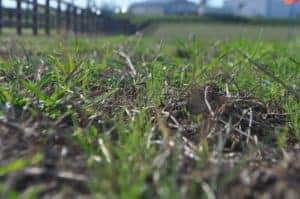
Quick Fixes to Improve Horse Pastures
While substantial improvements are long-term endeavors, some quick fixes can improve pastures in six weeks or less.

Q&A: Controlling Parasites in Horses
Learn when to deworm horses, why fecal egg counts are recommended, and more.
USEF Board Approves Strict Horse Welfare Penalties
The guidelines can help advise the Hearing Committee on the types and ranges of penalties to render in welfare cases.

New HBLB Equine Science Research, Education Awards in 2017
Also, the HBLB announced that the application round for awards to start in 2018 is now open.

BLM Seeks Comment on Eastern Nevada Horse Gather EA
The BLM plans to gather and remove wild horses from within and outside the Antelope and Triple B wild horse complexes.

Utah Owners Urged to Vaccinate Horses
West Nile virus was detected in mosquitoes in Salt Lake County. Officials are encouraging owners to vaccinate horses.

Forage-Only Diet a ‘Win’ for Standardbred Racehorses
The key is to ensure the hay, haylage, or grass has enough high-energy nutrient value to cover the horse’s needs.

Kentucky Confirms Second Equine WNV Case for 2017
The unvaccinated 18-year-old Tennessee Walking Horse mare from Franklin County is recovering.

Time-Saving Tips: Horse Barn Chores
Our staff and sources share ways you can save time and reduce the hassle of barn chores.