
Fighting Horse Boredom With Special Housing
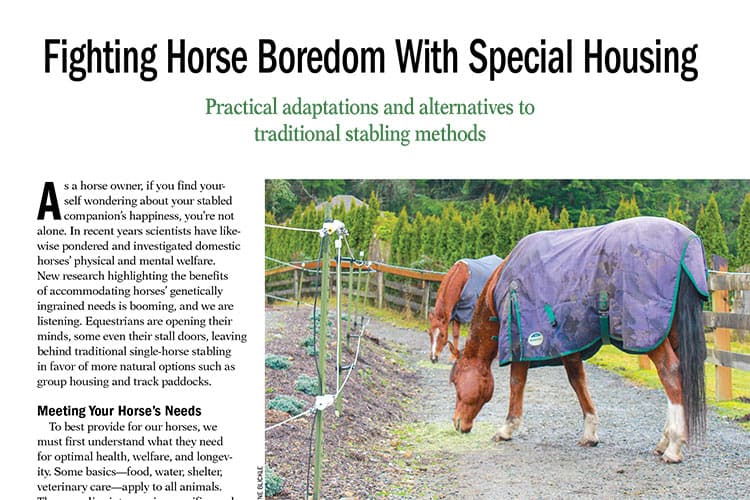
Horse owners are opening their minds, some even their stall doors, leaving behind traditional single-horse stabling in favor of more natural options such as group housing and track paddocks.
Nutrients for Horses: What’s Trending?

Learn about four trendy nutritional supplements in the equine industry, the rationale for their administration, and scientific data supporting their use.
Practical Electrolyte Use in Horses

Electrolytes play an important role in hydration and cellular function in horses. Learn more about electrolytes, when you might need to supplement them, and what research has shown about how they affect performance horses.
The Rules of ‘Poopspection’: Analyzing Your Horses’ Manure

Horse manure is rich not only in energy and soil-building nutrients, but also information about your horse’s health and well-being. In this article, veterinarians offer guidelines to help you better “read” your horse’s poop.
Equine Cushing’s: Case by Case

Learn how veterinarians diagnosed and managed six real-life equine Cushing’s cases that strayed from the classic scenarios.
Caring for Horses Over 30

Aged horses require the same, if not higher, level of care as their younger counterparts. Learn about the unique needs of old horses, and meet five over-30 horses with age-related ailments.
Can Horses Be Allergic to Stress?
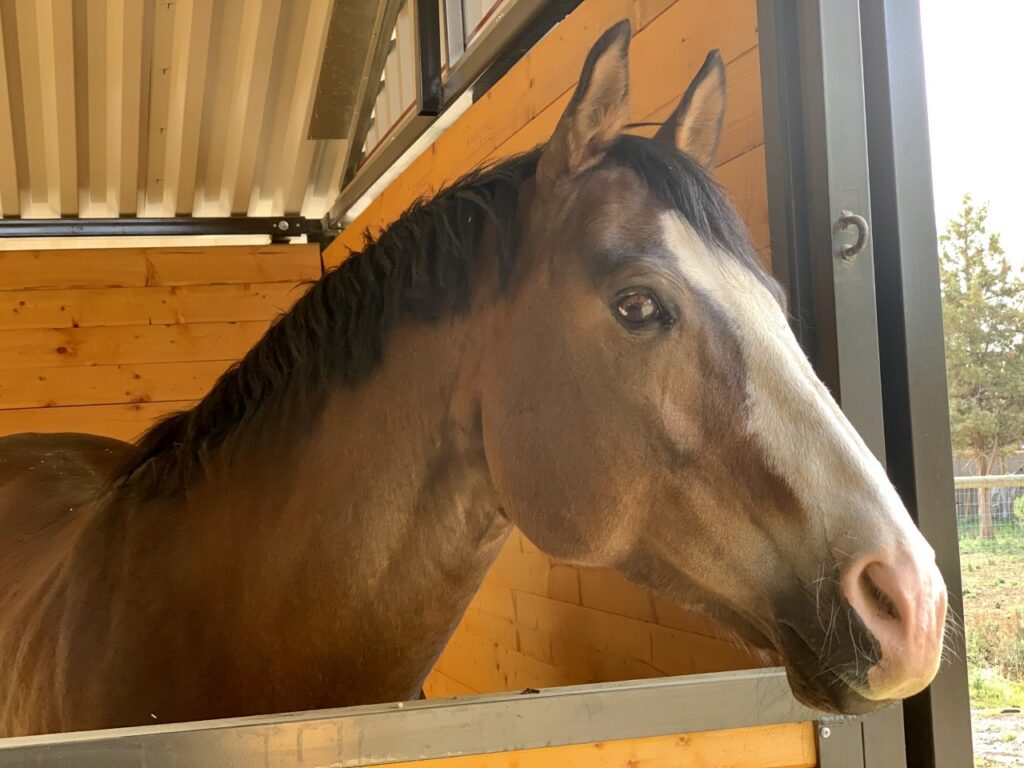
Does your horse break out into hives during stressful situations?
What’s New in Equine Estrous Manipulation

Changing your mare’s estrous cycle patterns can facilitate your breeding and performance plans. Learn about current options for owners who want to control their mares’ heat cycles.
Equine Guttural Pouch Infections

In horses, guttural pouches can be the source of various bacterial and fungal infections. A veterinarian explains how empyema, chondroids, mycosis, and other conditions can afflict these structures.
Does My Horse Have a ‘Cold’?

Find out how to prevent equine upper respiratory tract infections from spreading throughout your barn.
Breathing Easy: Managing Horses With Asthma
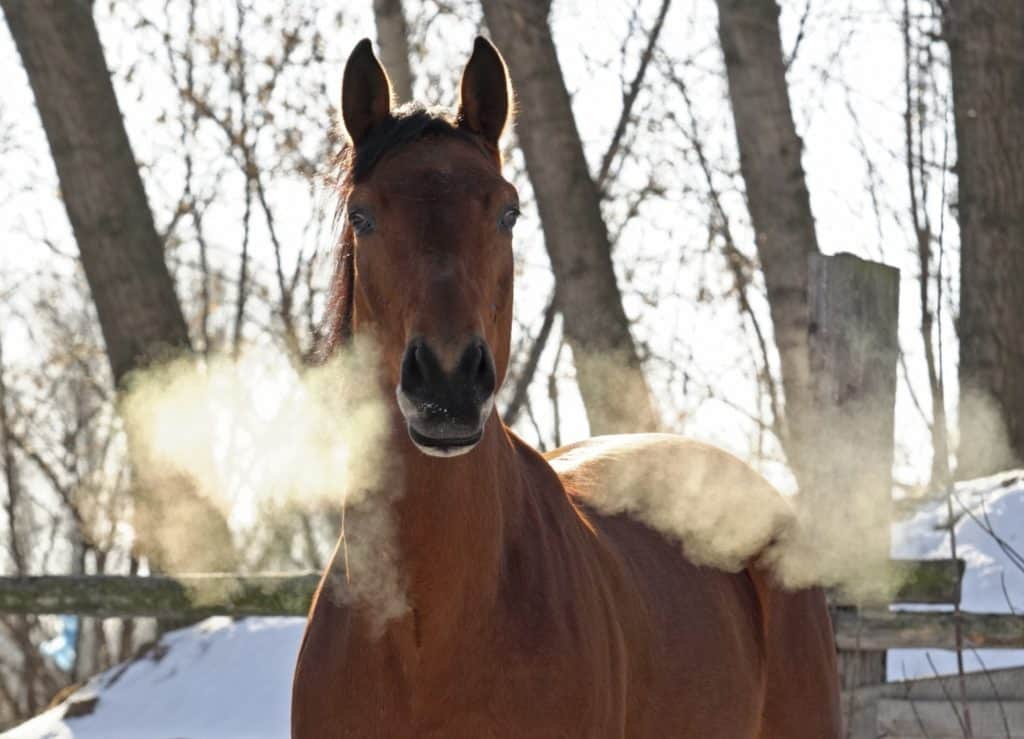
Does your horse have asthma? Find out how you can help him using management and environmental changes.
Horse Slow Feeder Safety

Slow feeders and haynets offer many benefits for horses, such as metered forage intake, but can also create safety issues. Here are solutions to common challenges.
EHV-1: Then and Now

Over the past few decades veterinarians and researchers have investigated major EHV-1 outbreaks in the U.S. to learn more about how to contain and prevent future occurrences.
Tiny Terrors: Equine Mosquito-Borne Diseases
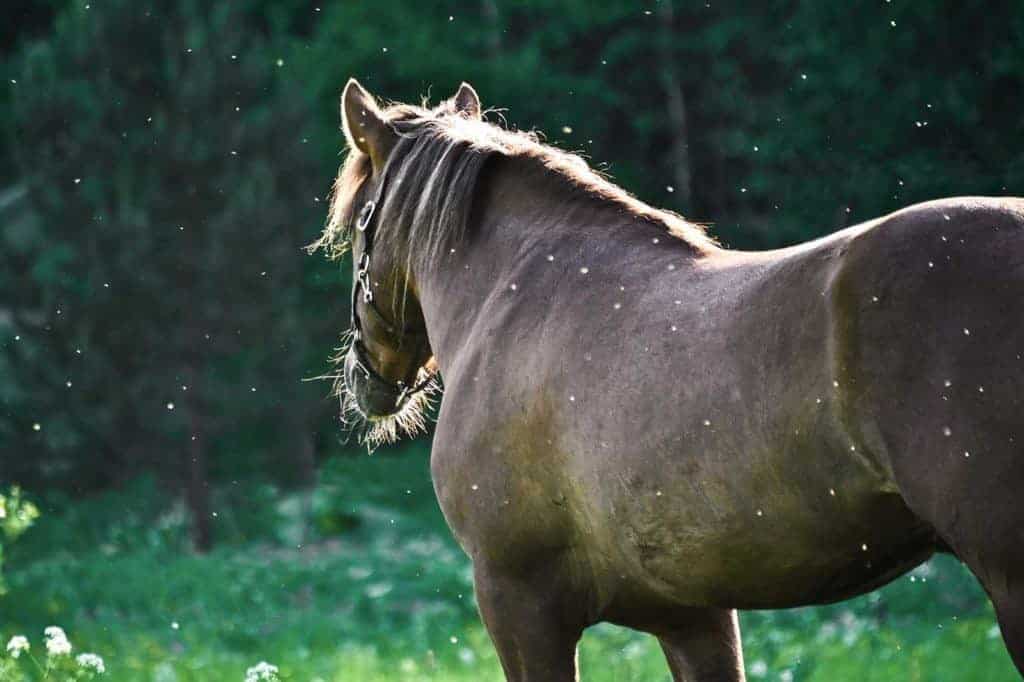
Learn about Eastern equine encephalomyelitis (EEE), Western equine encephalomyelitis (WEE), and West Nile virus (WNV) and how you can best protect your horse.
The Nose Knows: What Equine Nasal Discharge Tells Us

Any nasal drainage can be an important indicator of a horse’s health and can even herald an emergency. Learn about 6 snotty nose scenarios and possible causes.
Does Your Horse Have Insulin Dysregulation?

Insulin dysregulation can cause abnormally high levels of insulin and sometimes glucose to circulate in the bloodstream, putting a horse at risk of regional adiposity, obesity, and/or laminitis. Learn more in our visual guide.