
Feed the Breed: Consider Breed, Type When Designing Equine Diets

We must consider the breeds of our horses and ponies when planning their diets. Here’s a look at what we currently know about feeding major equid categories and where we’re heading.
From Incident to Outbreak: Managing Equine Infectious Disease

Proper planning can help prevent a disease episode on your farm from becoming a full-blown outbreak.
Innovations in Confinement Area Horse-Keeping

Find out how to construct safe, aesthetic, and eco-friendly confinement areas on your horse property.
Feeding Horses on Stall Rest

Take steps to manage your horse’s weight and behavior while he’s cooped up.
A Day in the Life of an Equine Veterinary Technician

Taylor Equine Hospital assistant Ali Harman’s dream job involves clinic cases, farm calls, and foal watch.
Foggy Vision: Conditions That can Cloud the Equine Cornea
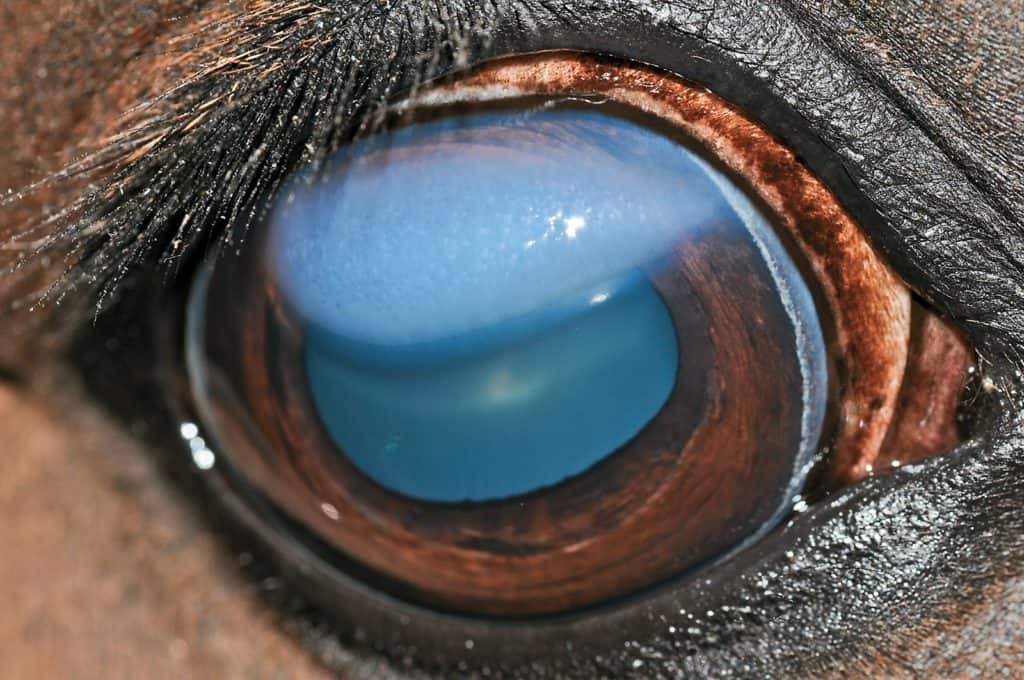
A number of things—some benign, some serious—can cause a cloudy eye. Here’s what you need to know.
Homeless Horses: An Update on Unwanted Horses in the United States

Awareness about unwanted horses has grown significantly over the past 20 years, and the horse industry has taken strides to find solutions. But there’s still work to do.
Emergency 911: Horse Show Edition

Critical conditions such as colic, injuries, and dehydration can strike when you’re at a competition with your horse. Here’s how to handle them.
High-Tech Equine Research

Find out how equine researchers are using the latest gadgets and gizmos to diagnose lameness, collect data, and more.
The Probiotic and Prebiotic Puzzle
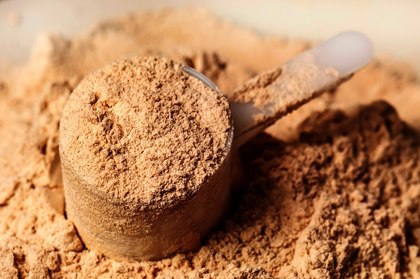
What do probiotics and their counterparts–prebiotics–do for horses? Here’s what the current research says.
Degenerative Suspensory Ligament Disease in Horses

Learn how to manage this incurable disease that causes debilitating lameness in horses.
Building Your Horse’s Health Care Dream Team

Horse health care often requires teamwork. Use these tips to find the right equine health professionals for your team.
Journey Through the Equine GI Tract

Learn about special characteristics of each part of the horse’s digestive tract and different medical conditions that can develop there.
Sugars and Starches in Horse Diets: They’re Not All Bad!

Although owners are frequently warned against the consequences of feeding these carbs, horses need them in their diets.
It’s All in the Genes: Horse Traits and Heritability

Scientists are continuing to uncover which genes are responsible for certain traits in horses.
Changes in Senior Horses’ Chewing Ability

Making dietary changes as horses lose their ability to grind long-stem hay will help prevent weight loss and other issues that can affect older horses.