Fossils Found in India Offer Clues to Equid Evolution
Scientists have unearthed an ancient “uncle” to equids in India, pointing to the evolutionary origins of horses.

Scientists have unearthed an ancient “uncle” to equids in India, pointing to the evolutionary origins of horses.

Learn how horse owners can use empathy to predict and interpret horses’ behaviors and respond appropriately.
Sweet PDZ Horse Stall Refresher and The Horse have partnered for Respiratory Health Awareness Week, held Oct. 26-Nov. 1.

Learn about how rain during harvesting can affect hay quality and whether you should feed rained-on hay to your horses.

The positive test resulted in a voluntary quarantine of the horse’s premises.
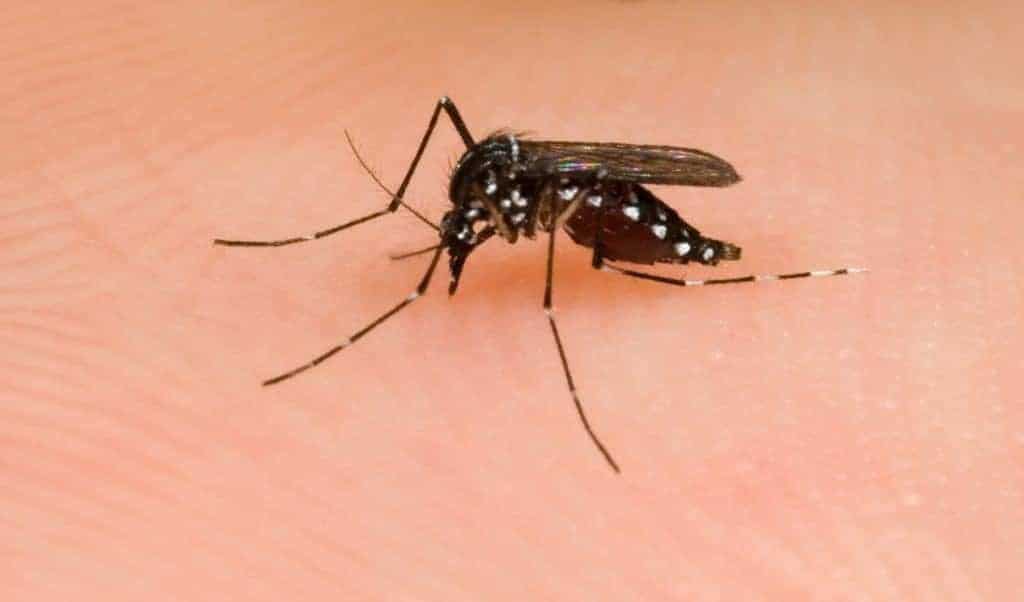
This marks the state’s 14th positive equine WNV case for 2020.
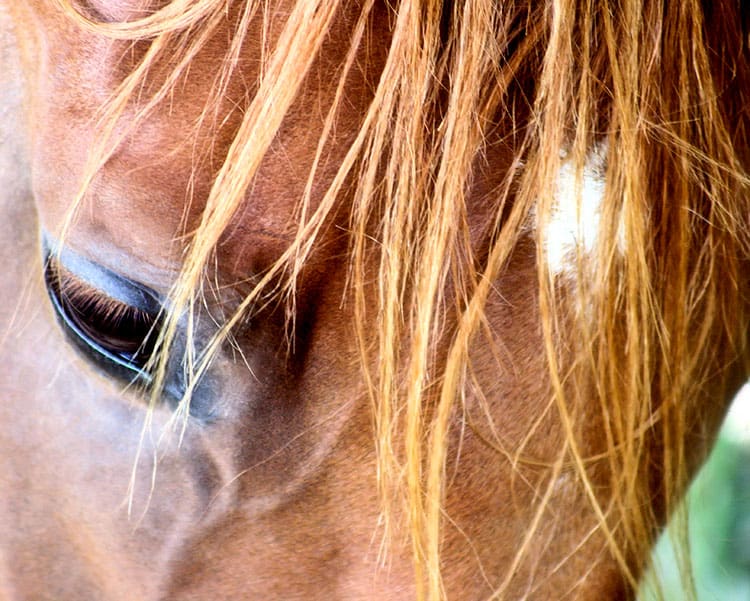
Many training styles and riding mistakes can make a horse less responsive to cues, pressure, and even pain—and that’s often the early stages of learned helplessness. Learn how to identify and prevent this negative mental state.

If your horse survives one of these five infections, he might still suffer lasting effects. Learn which diseases most commonly cause post-infection illnesses and how they can impact a horse’s long-term health, use, and quality of life.

Though they make up only a tiny part of horses’ diets, micronutrients play big roles in major physiological functions, ranging from bone and muscle performance to digestion to hormone signaling.
Equine welfare researcher Dr. Natalie Waran addresses the importance of studying, measuring, and caring about our horses’ quality of life.

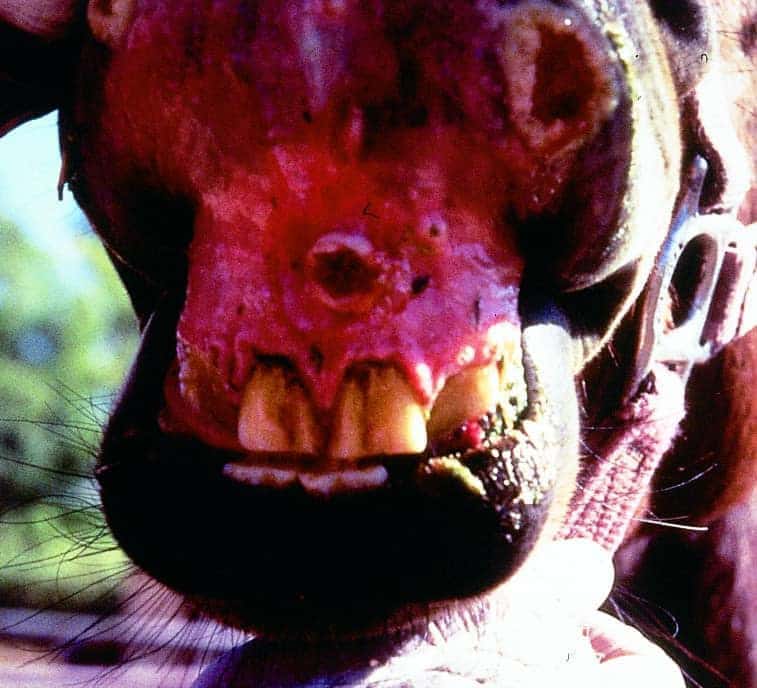
Kansas and Missouri remain the only states with VSV-quarantined premises.

Fatal cases have clustered in horses located in south central counties of Calhoun, Ionia, Jackson, Kent, Livingston, and Montcalm.

Horse owners are rightfully concerned about their horses’ lung health after wildfire smoke exposure. But can the smoke and ash also affect their pastures and forage?

Officials recommend vaccinating livestock after detecting Eastern equine encephalomyelitis in Atlantic County mosquitoes.

Kansas and Missouri are the only remaining states with VSV-quarantined premises.