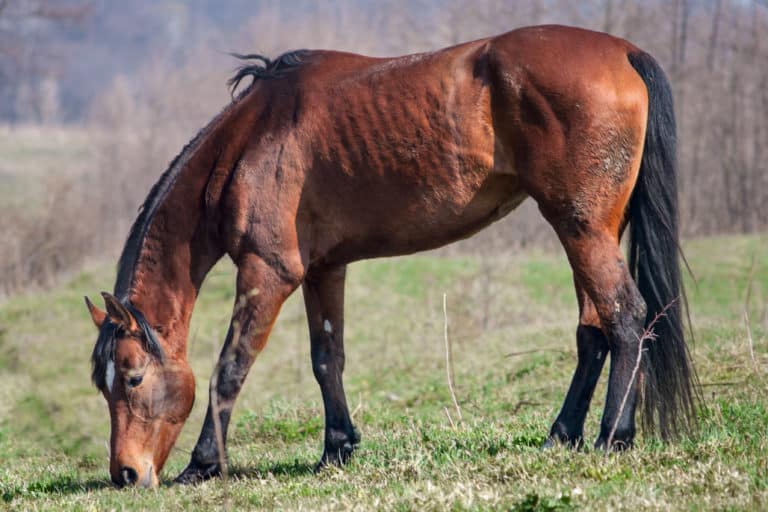
The Abscess Ruptured, But My Horse is Still Lame. Now What?
Follow these steps when your horse has an abscess that lingers beyond typical treatment times.

Follow these steps when your horse has an abscess that lingers beyond typical treatment times.

Conformation, saddle fit, rider body weight, and training practices can all influence function—and dysfunction—in your horse’s topline.

Discover what scientists are learning about this dynamic area of research and how we can use it to promote equine health.

Proteins and the amino acids that form them play important roles in the horse’s body, from muscle building and function to neurotransmission and hormone synthesis.

Newborn foals depend on colostrum‑derived antibodies, making rapid and accurate IgG testing to confirm passive transfer essential.

When will your mare foal? Learn the signs of impending foaling and what prognostic tools can help.

Because NSAIDs can interfere with ovulation, researchers investigated whether Bute use affects egg quality or embryo development during assisted reproductive procedures.

Read the pros, cons, and surprising facts about slow feeders, including haynets, haybags, and hayboxes.

An owner’s doctor is reluctant to give her joint injections too often, but her horse gets them every six months. Is that cause for concern?
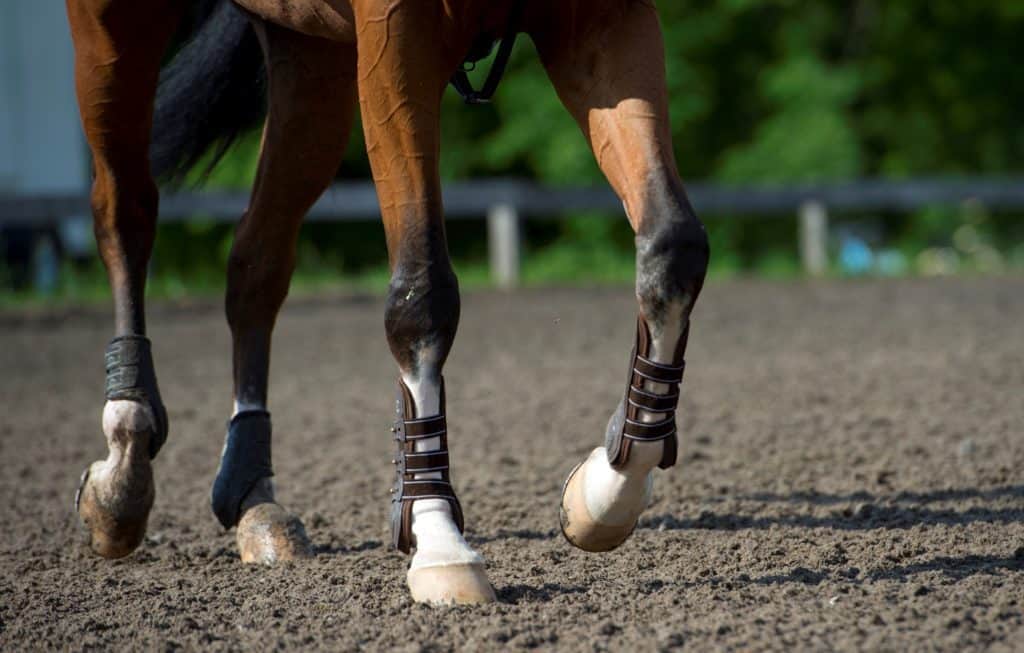
A fresh look at where, how, and why injuries happen in today’s various equine sports. Read more in the 2025 Research Roundup issue of The Horse.

New studies highlight emerging stem cells, anti-inflammatory biologics, and joint biomaterials that may help horses with osteoarthritis stay sound longer.
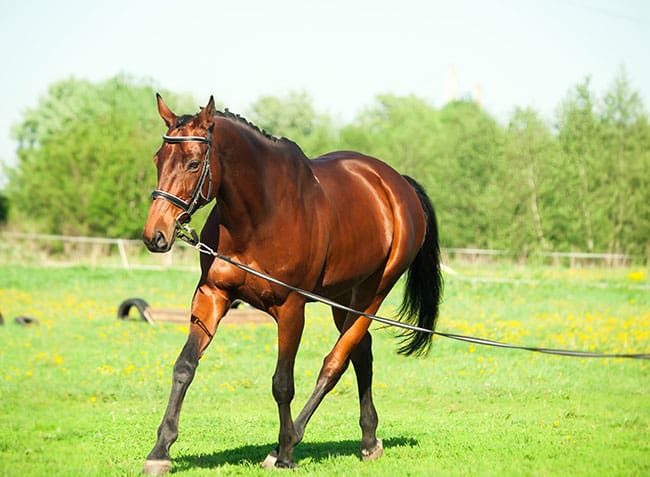
Drawing on decades of research, Dr. Hilary Clayton outlined the mechanics that underpin gait, balance, and directional change.

Read about the steps veterinarians and farriers take to identify, evaluate, and treat riding horses’ hoof problems.

Two equine nutritionists shed light on the do’s and don’ts of feeding your horse to promote strong and healthy hooves.
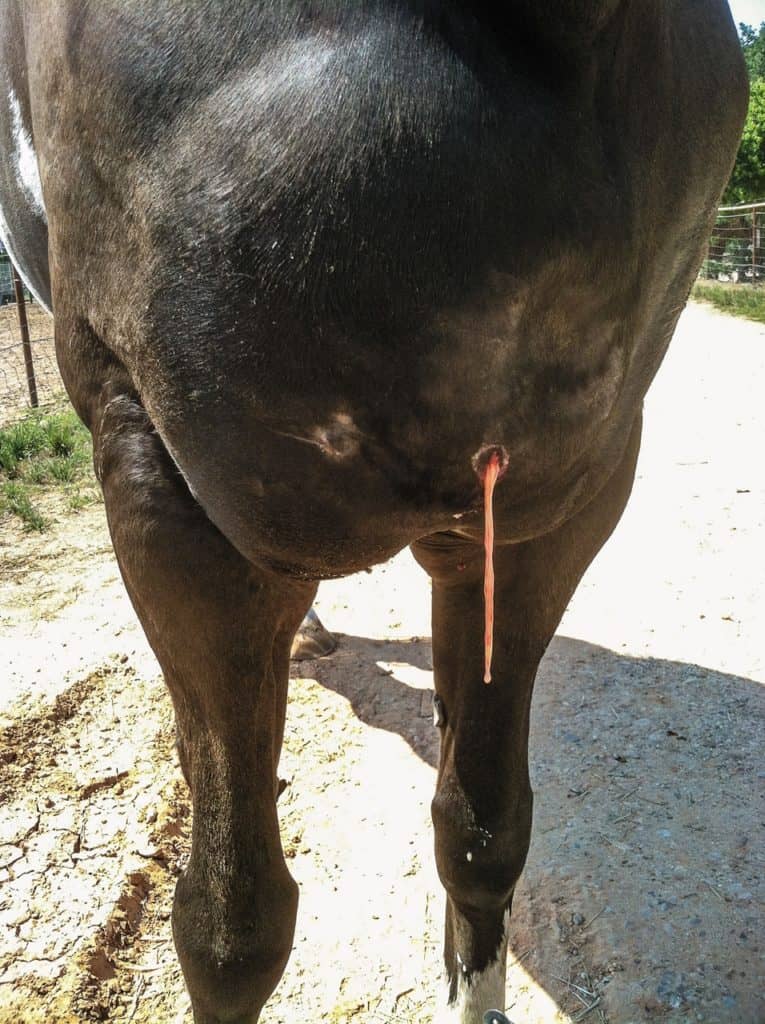
Corynebacterium pseudotuberculosis causes pigeon fever and internal abscesses. Cases are rising nationwide, making biosecurity critical.