A fresh look at where, how, and why injuries happen in today’s various equine sports
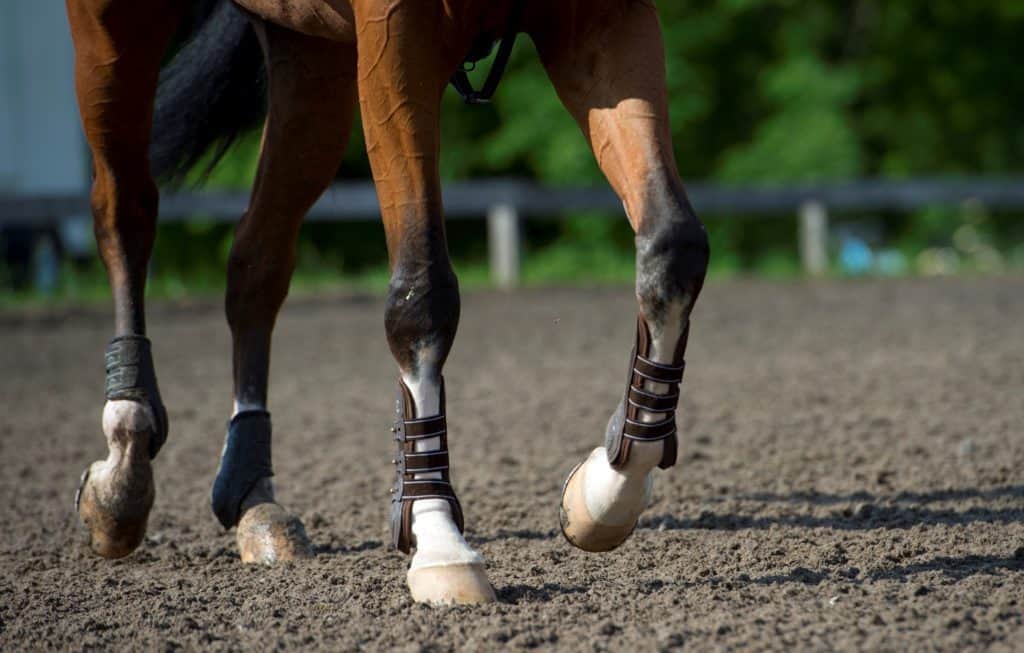
For some equine athletes a torn suspensory ligament or degenerating pair of hocks marks the premature end of a competitive career. The musculoskeletal injuries we commonly see in different types of horses aren’t entirely random—they often reflect the unique physical demands of each discipline. Looking at the current research and speaking with veterinary specialists, here’s what we know so far about the predisposition of horses to discipline-specific sports injuries.
The No. 1 Reason for Premature Retirement in Sport Horses
Kara Brown, VMD, assistant professor of equine sports medicine and rehabilitation at the University of Pennsylvania’s New Bolton Center, in Kennett Square, starts by acknowledging musculoskeletal disease as the single most common cause of premature retirement in equine athletes. Osteoarthritis, tendinitis, and desmitis (ligament inflammation) top her list of the most common career-ending injuries. “That’s problematic because the inherent poor healing characteristics of cartilage, tendon, and ligaments make these types of injuries difficult to treat and prone to reinjury,” she explains. “That being said, advances in the management of these disease processes are certainly giving us more opportunities to intervene prior to the need for retirement.”
How Discipline Affects Equine Injury Risk
Much like tennis players develop the aptly named tennis elbow and long-distance runners often suffer from plantar fasciitis, equine athletes’ most common injuries closely link to their discipline. Discipline often reflects breed—for example, Quarter Horses in Western events, Warmbloods in dressage and show jumping, and Thoroughbreds or Standardbreds in racing. As a result veterinarians often see specific injuries correlate with specific breeds, pedigrees, conformation, and other related factors beyond the discipline itself.
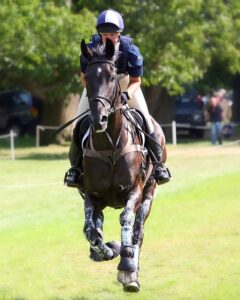
“There are certainly many injuries that are overrepresented in certain disciplines and populations of horses,” says Kim MacKinnon, DVM, CVA (Eq), an associate veterinarian at Avon Animal Hospital, in Windsor, Nova Scotia, Canada, with primary clinical interests in equine lameness and sports medicine. “Different biomechanical forces are at play on a reining horse performing a sliding stop, for example, than a show jumper jumping a 1.45-meter course, or in a three-day eventer competing in consecutive dressage, cross-country, and show jumping phases of the event. We are asking these horses to use their bodies differently based on the maneuver, exercise, or obstacle. There are sport-specific biomechanical patterns that we are able to appreciate, which correspond to repeated loading of specific structures according to discipline.”
In any discipline Brown cautions equestrians against overusing certain movements and neglecting variety in training. “With respect to management and training practices across disciplines, we find that horses that perform repetitive activities without diversity or variability in movement appear to be at higher risk for musculoskeletal injury,” she says.
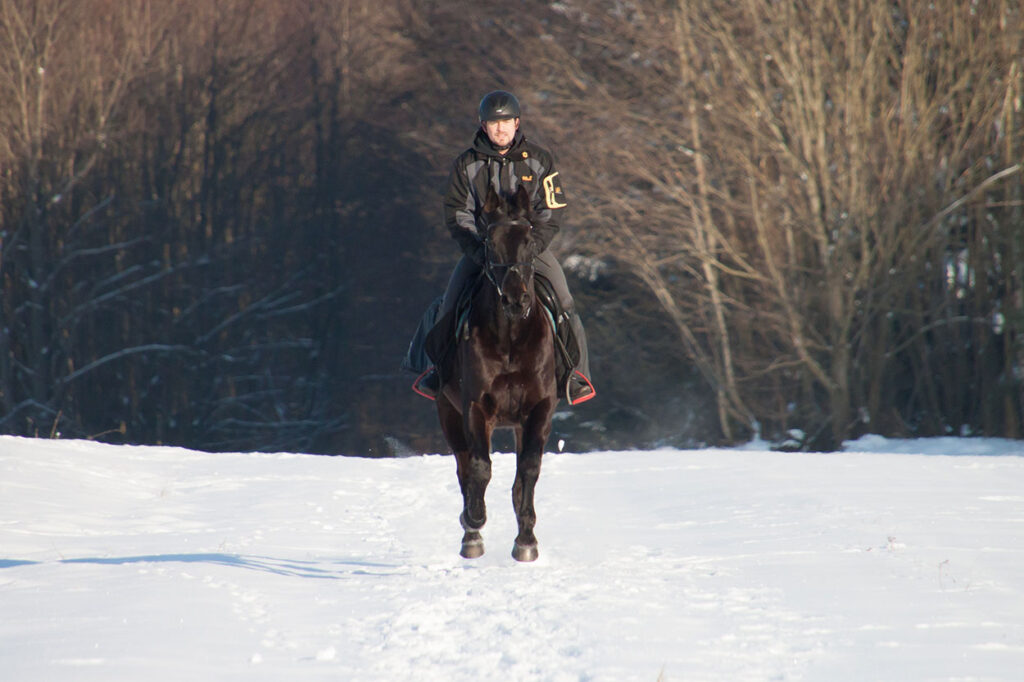
Brianne Henderson, BVMS, MRCVS, of Ferguson Equine Veterinary Services, in Ontario, Canada, says varying training modalities—such as hillwork, trail riding, or swimming—allow joints and muscle groups to share cumulative orthopedic stress, reducing focal overload on vulnerable areas including hocks or suspensory ligaments.
“That being said, to some extent, the types of movements and activities required for performance cannot be altered, and it’s very important that the horse’s musculoskeletal tissues are gradually prepared for the stresses they undergo during competition, and also that the athletes are cardiovascularly prepared from a fitness perspective,” Brown explains.
Performance Level, Fitness, and Age Matter, Too
Discipline tells part of the story, but the level and intensity of competition add another dimension to injury risk. “There appears to be a further subdivision between discipline and level of performance in terms of what injuries we are seeing,” MacKinnon says. “Age also plays a role in the injury patterns we see, as repetitive injuries and degenerative (joint) disease catch up with the horse as they undergo more wear and tear on soft tissue and osseous structures as they age and continue to perform
This story requires a subscription to The Horse magazine.
Current magazine subscribers can click here to and continue reading.
Subscribe now and gain unlimited access to premium content.
Subscribe NowWe at The Horse work to provide you with the latest and most reliable news and information on equine health, care, management, and welfare through our magazine and TheHorse.com. Our explanatory journalism provides an understandable resource on important and sometimes complex health issues. Your subscription will help The Horse continue to offer this vital resource to horse owners of all breeds, disciplines, and experience levels.