Understanding the Aging Equine Immune System
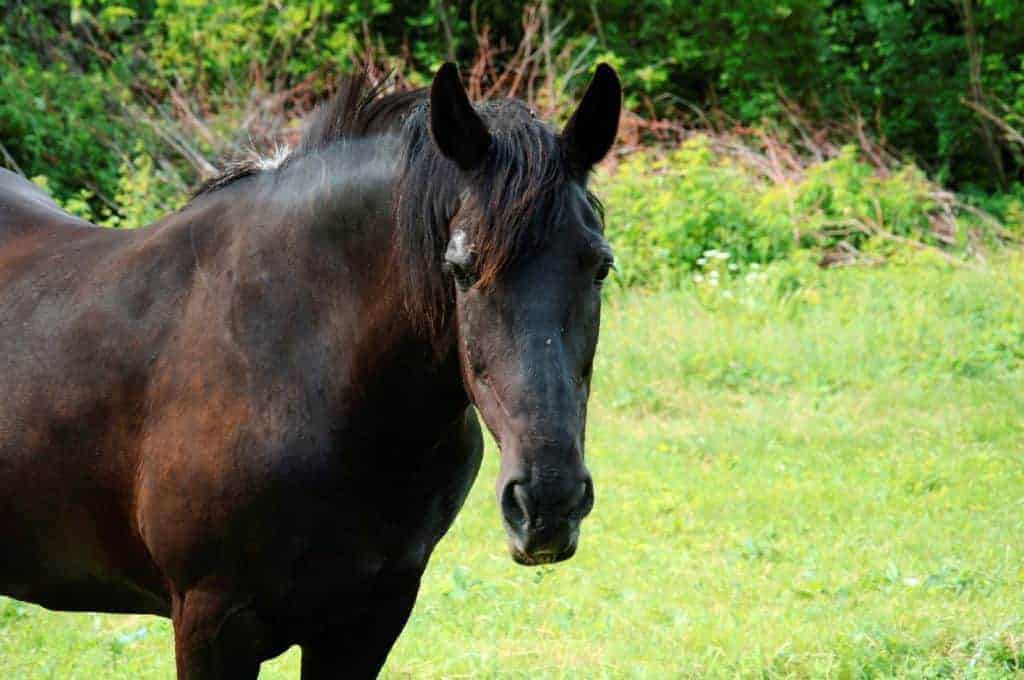
Horses experience less profound immune system changes than humans as they get older. However, researchers still have much to learn about equine aging.

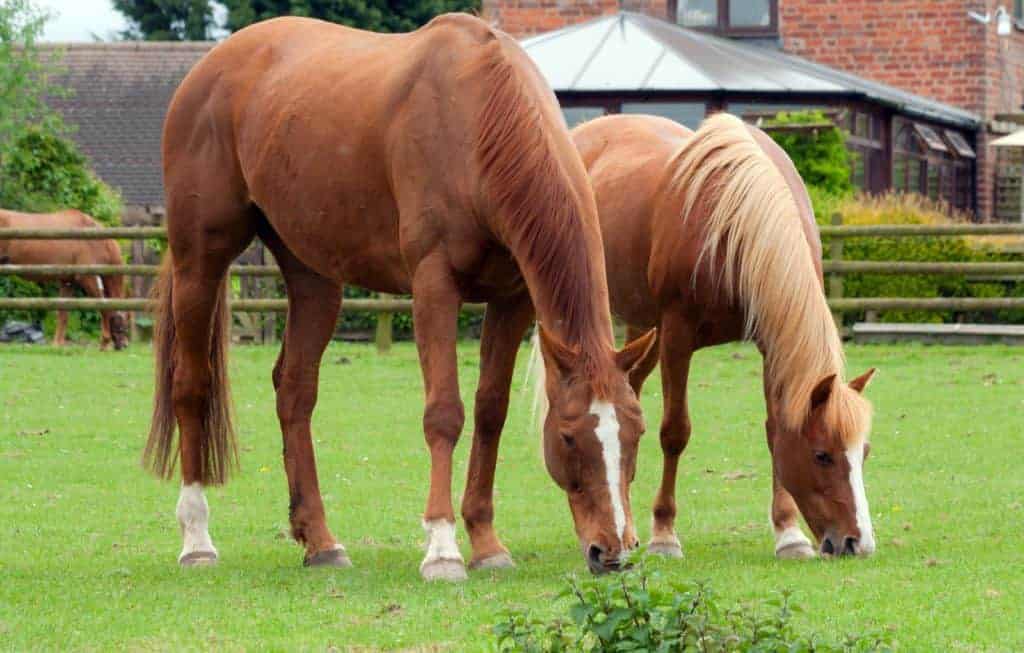
Horses experience less profound immune system changes than humans as they get older. However, researchers still have much to learn about equine aging.
The organization has engaged Dr. Larry Bramlage to conduct an independent evaluation of the horse’s hind limb fracture, which resulted in euthanasia after the Classic race.
The 4-year-old drove past 5-2 favorite McKinzie to win, going away by 4 1/4 lengths.
The 6-year-old Argentinean-bred bested heavy favorite Midnight Bisou.

A Suffolk County facility on Long Island where an aged gelding was diagnosed with EHM is resuming normal operations after clearing the required quarantine period.

Both horses’ vaccination status is unknown.

British researchers investigated spur use in riders. Here’s what they found.

Two Maryland horses were also exposed. Officials have quarantined the Loudoun County premises.

The affected Clark County facility is under mandatory quarantine.
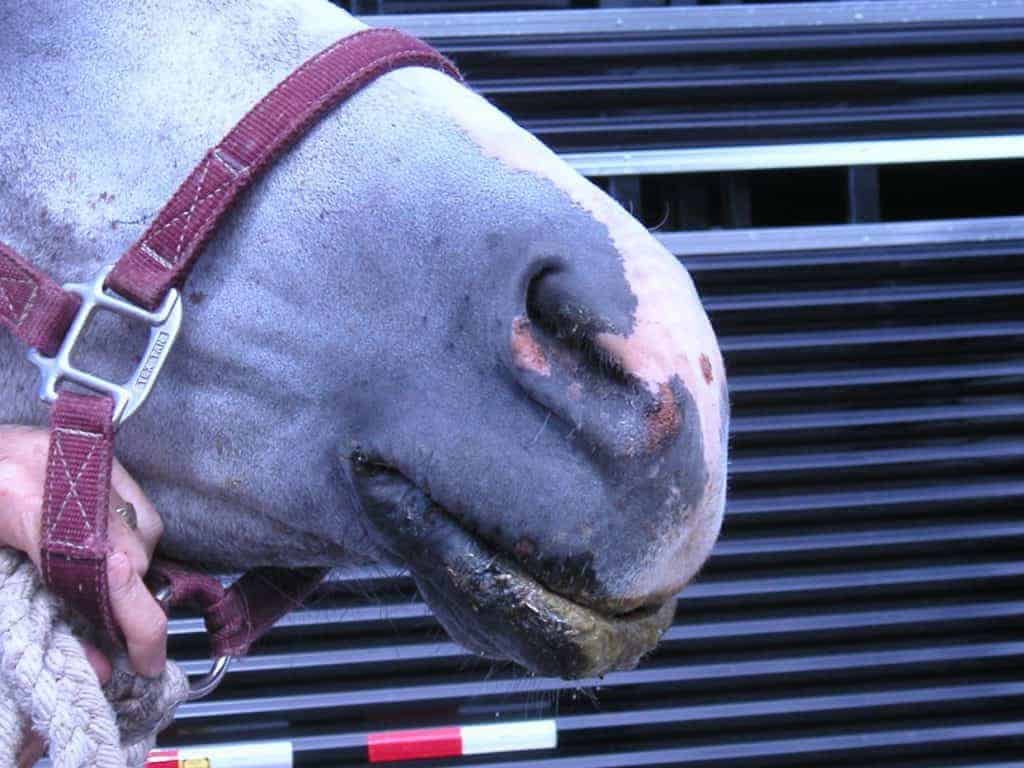
Kansas becomes the eighth state with confirmed vesicular stomatitis virus this year.

Any horse can get rain rot, but horses with compromised immune systems from systemic disease or malnutrition are most likely to be affected. Learn how to prevent and treat this frustrating skin condition.
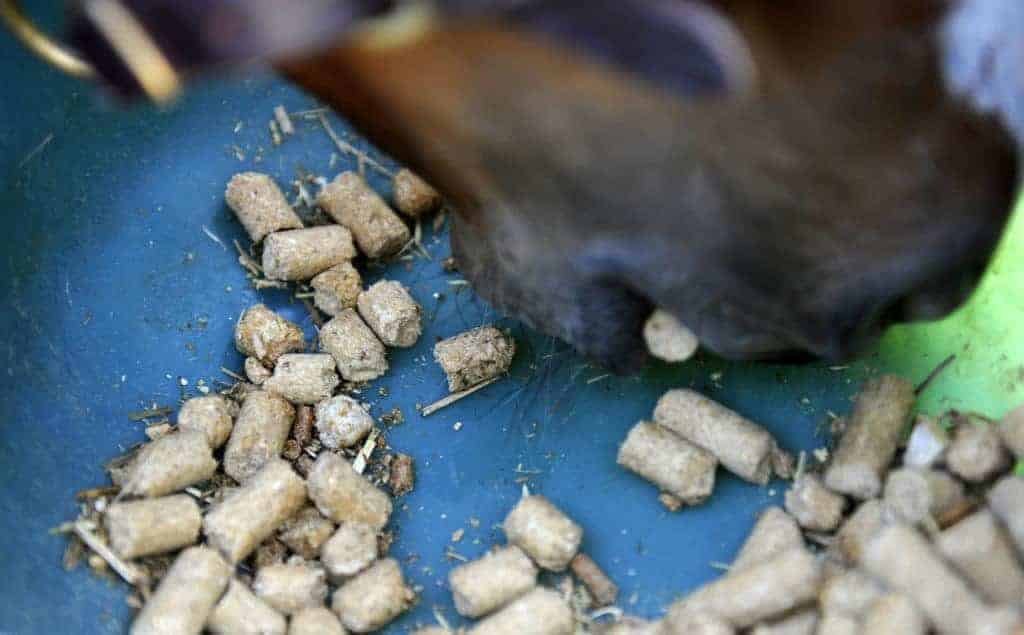
By prolonging feeding time and stimulating more saliva production, large pellets of concentrated feeds could extend mealtime and offer protection from gastric ulcers.
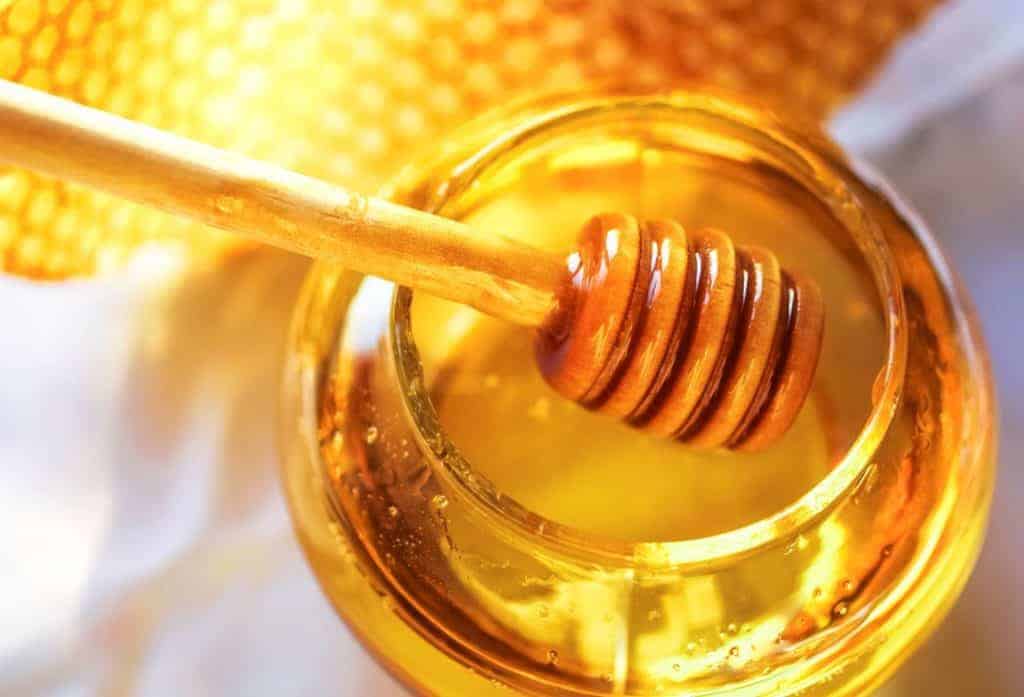
The secret to better equine wound healing might have been with us all along, thanks to bees.
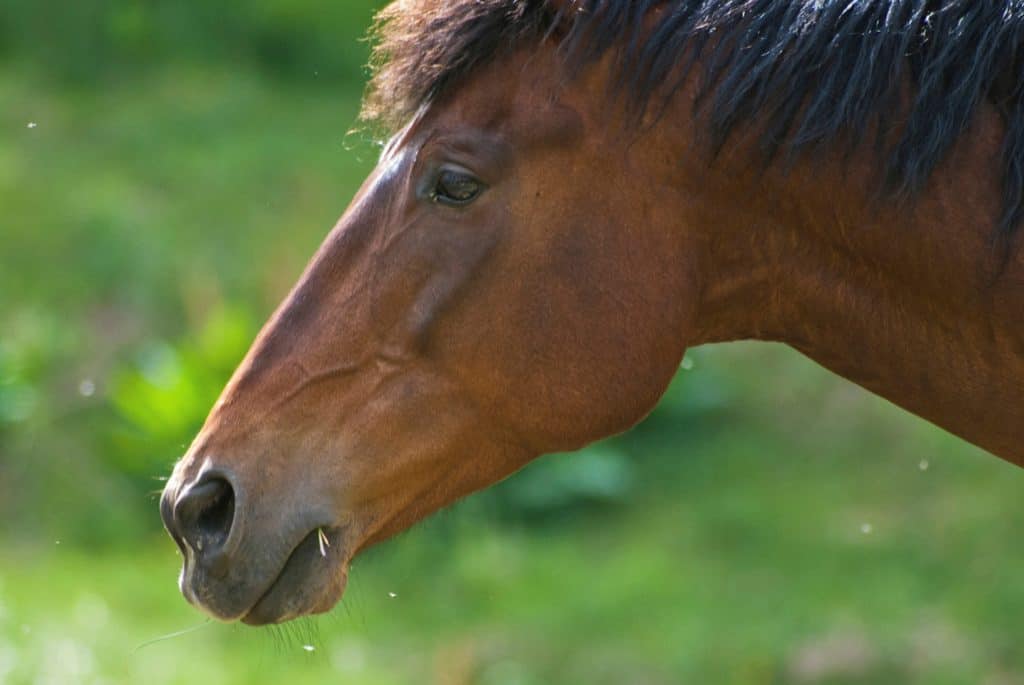
Researchers set out to determine whether these inhaled medications simply relieve airway constriction for horses with heaves or, more importantly, improve lung function. Here’s what they found.

Texas A&M researchers reviewed the current body of knowledge surrounding bisphosphonates and their use in horses. Here’s what they found.
Researchers investigated whether microbiome composition could be breed-specific and, therefore, influence horse health and behavior.