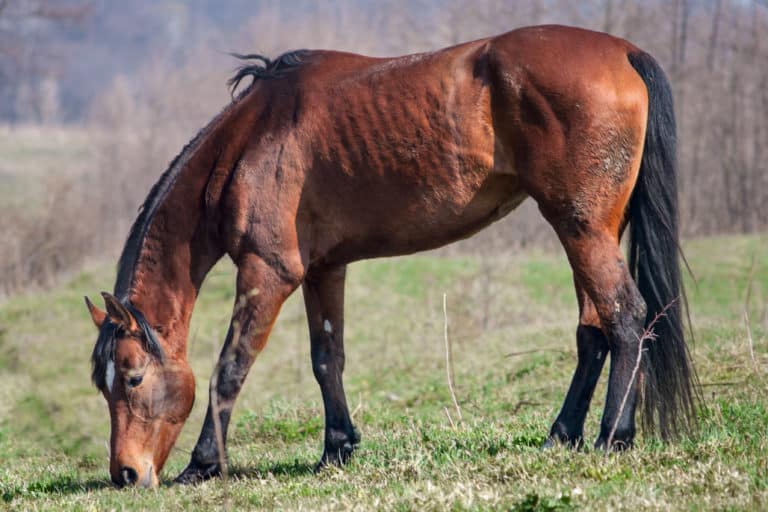
Is Your Horse Moving Symmetrically? Watch His Withers
By analyzing “wither drop,” researchers found that some horses tend to drop their withers lower when bringing one foreleg forward than the other. Here’s what that means for equestrians.

By analyzing “wither drop,” researchers found that some horses tend to drop their withers lower when bringing one foreleg forward than the other. Here’s what that means for equestrians.

Officials said the first clinical signs noted were sporadic abortions in a herd of 70 late-term broodmares, five of which developed neurologic signs and were euthanized.

Transition to targeted deworming without a hitch with these free resources.
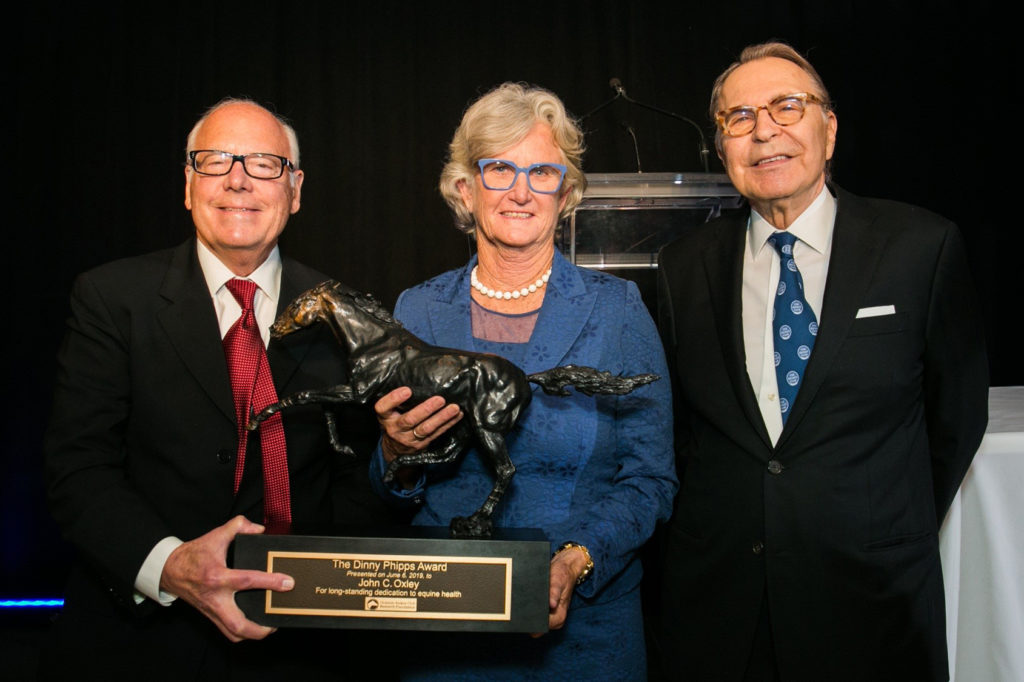
Thoroughbred owner John C. Oxley received the award, which honors an individual or individuals who have demonstrated dedication to equine health, on June 6.
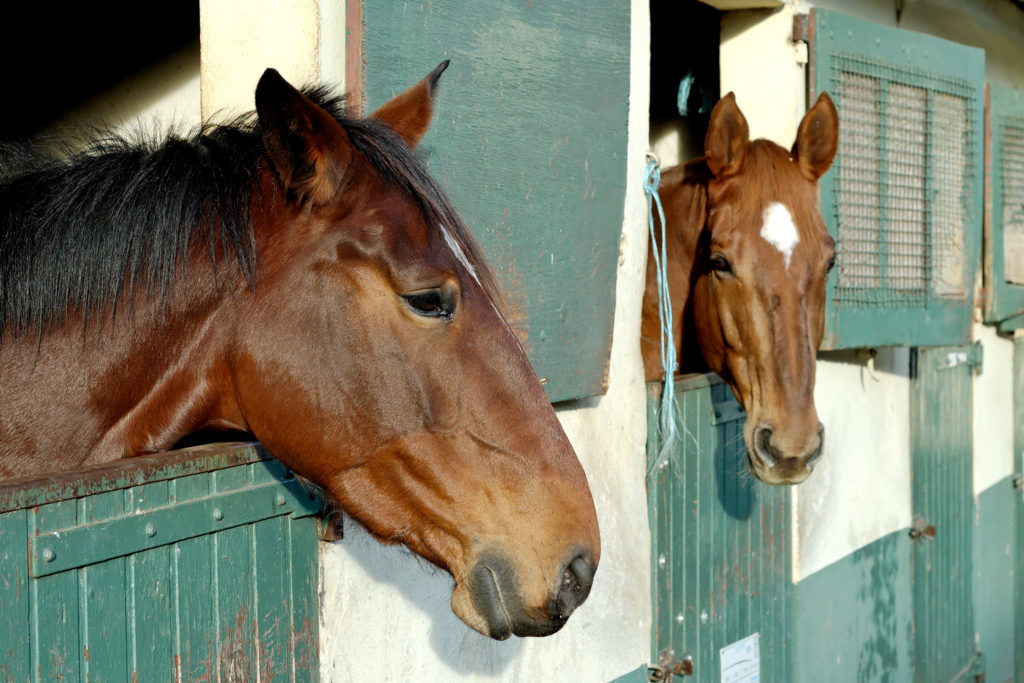
Has any research been done regarding what horses might like and dislike about their homes?
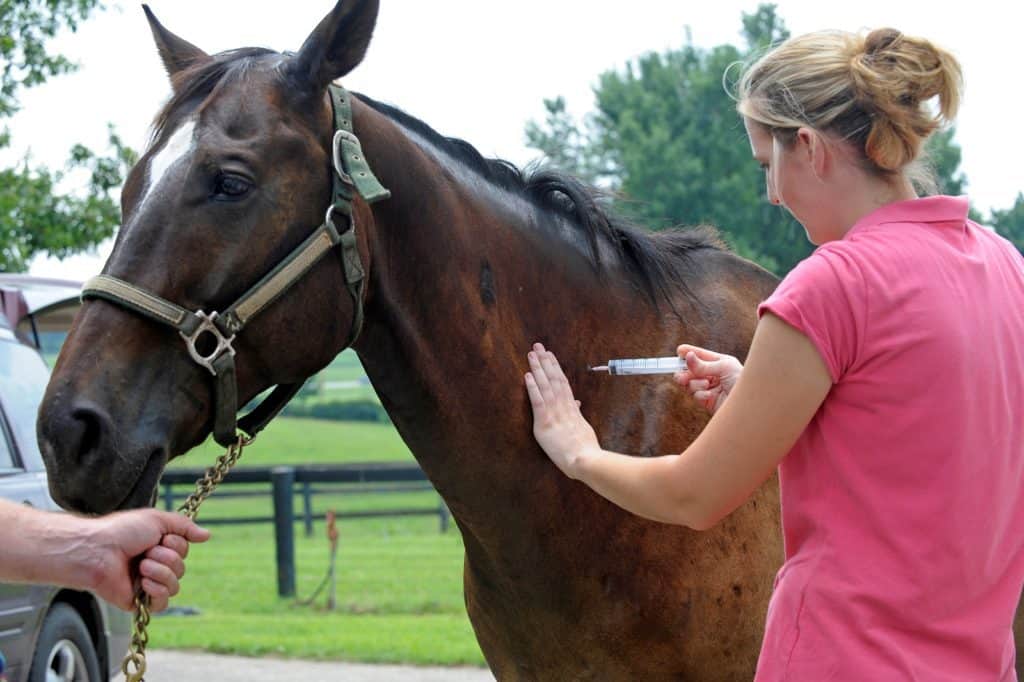
The main goals when treating metritis (inflammation of the uterine wall) in mares are to control bacterial growth, evacuate uterine contents, and prevent complications. Here’s how vets accomplish these goals.
An equine anatomy lesson disguised as an art exploration, Dr. Dean Richardson will present “Paleolithic to Picasso: Interesting Stuff About Horse Anatomy” on June 4 at Penn Vet’s New Bolton Center.

We might be quick to blame a horse for misbehaving, but a closer look at equine behavior might reveal we’re the problem. Here’s what to consider.

Did you know May 29 is Learn About Composting Day? Get a head start with some of our top composting, manure management, and eco-friendly farm management resources available for free on TheHorse.com.

Nicholas Carter, MS, has been named county and local government relations director in the University of Kentucky College of Agriculture, Food and Environment.

Studies have shown that equestrians are at more risk for traumatic brain injuries than participants in most other sports. Here’s what you need to know about concussion diagnostics and returning to riding.

Laura Stephenson, PhD, has been named associate dean and director of the University of Kentucky Cooperative Extension Service in the College of Agriculture, Food and Environment.

Equestrians are athletes, and athletes suffer injuries. And one neurology professor says that, among sports-related traumatic brain injuries, the highest incidence among adults occurred in equestrians.

Two different perspectives on horse rider and handler safety were presented by an accomplished group of panelists at the inaugural Horse Industry Safety Summit.

Working with horses is unpredictable, but one thing equestrians can control is themselves, says one riding coach. Here’s how treating ourselves as athletes can help us stay safer in the long run.
The EHV-1-positive horse died in quarantine due to an unrelated medical issue, not EHM (which develops when EHV affects the central nervous system), the Pennsylvania Department of Agriculture said.