BLM Idaho Hosting Hearing on Vehicle Use in Wild Horse Management
The hearing will take place April 18 from 3-5 p.m., local time, at the Marsing American Legion Community Hall, located at 126 S. Second Ave. in Marsing, Idaho.

The hearing will take place April 18 from 3-5 p.m., local time, at the Marsing American Legion Community Hall, located at 126 S. Second Ave. in Marsing, Idaho.

An independent equine nutritionist answers horse owner questions on forage, feed concentrates, fats, supplements, and more.
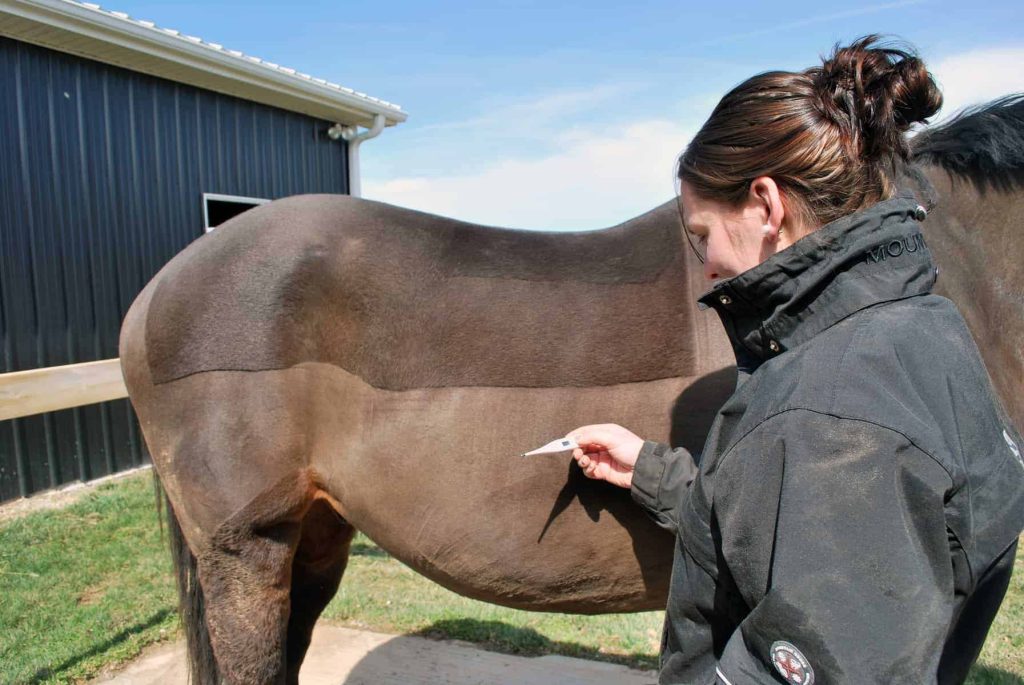
An affected gelding at a facility with both competition and resident horses in the Regional Municipality of York was euthanized after developing severe neurologic signs. The second horse, which had been stabled at the Municipality of York facility prior to returning to the District of Cochrane, also tested positive.

Learn how to modify an overzealous carrot stretcher’s behavior.

Commonly called Potomac horse fever (PHF), equine neorickettsiosis can result in fever, colic of variable severity, diarrhea, abortion, and other clinical signs.

Is it cause for concern if a horse lies down frequently?
Dechra issued a statement to offer clarification specific to its bisphosphonate product, Osphos (clodronate injection).
Appropriate use of vaccination and implementing biosecurity measures are critical to protecting the horse industry from outbreaks of highly contagious viruses, including equine influenza.

Find out which flowers, shrubs, and trees you should avoid when sprucing up your barn this spring.
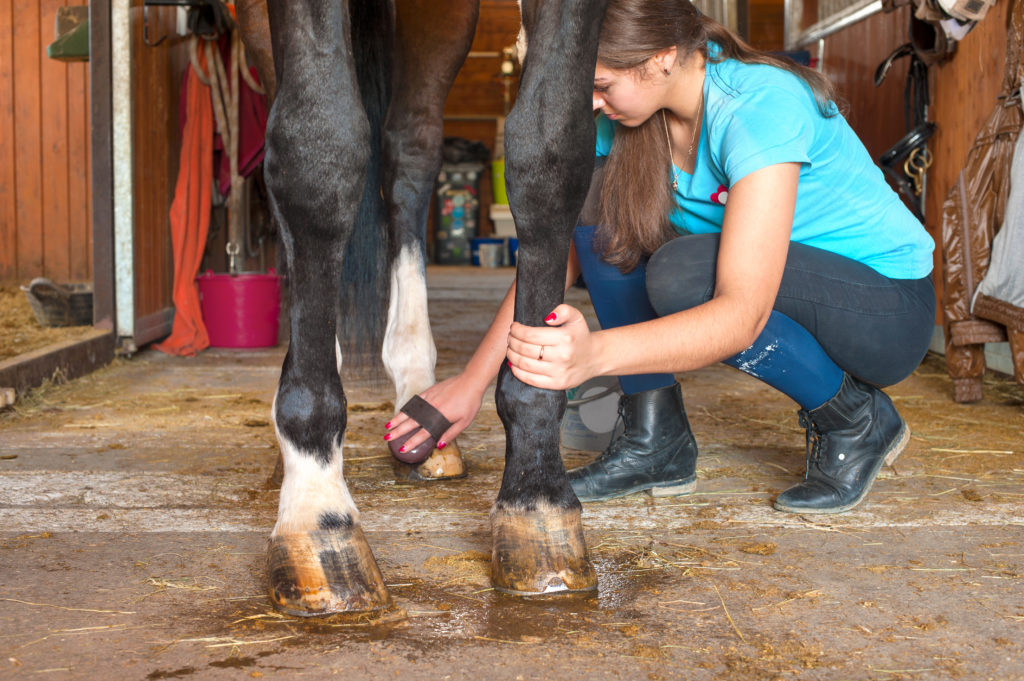
Boarding your horse at a communal barn can be both fun and stressful. Here are some tips on how to make the most of boarding from one owner with decades of experience.

The affected 14-year-old Quarter Horse mare began exhibiting clinical signs on March 21. By April 1 she was described as clinically normal but remains quarantined.

Orphan foals raised with a correct balance of nutrients and monitored for growth, food consumption, and weight gain can be every bit as tall, strong, and athletic as foals raised by their dams.
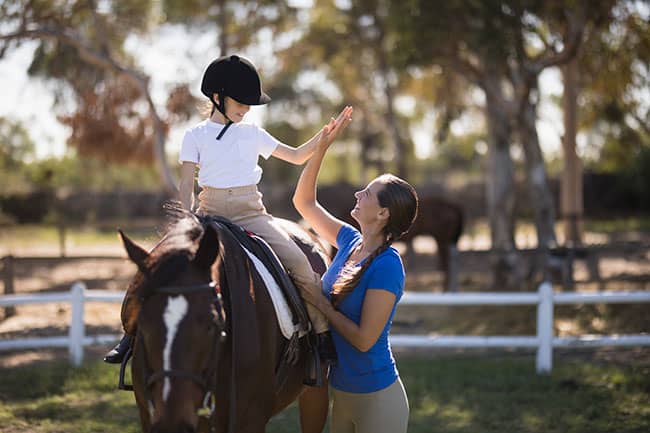
Who you pick as a trainer can make all the difference for your (or your child’s) enjoyment and your horse’s health and welfare. A seasoned equine veterinarian offers her advice on critically evaluating trainers and their programs to find the right fit.

The information on your youngster’s feed tag is designed to help you make important feeding decisions.
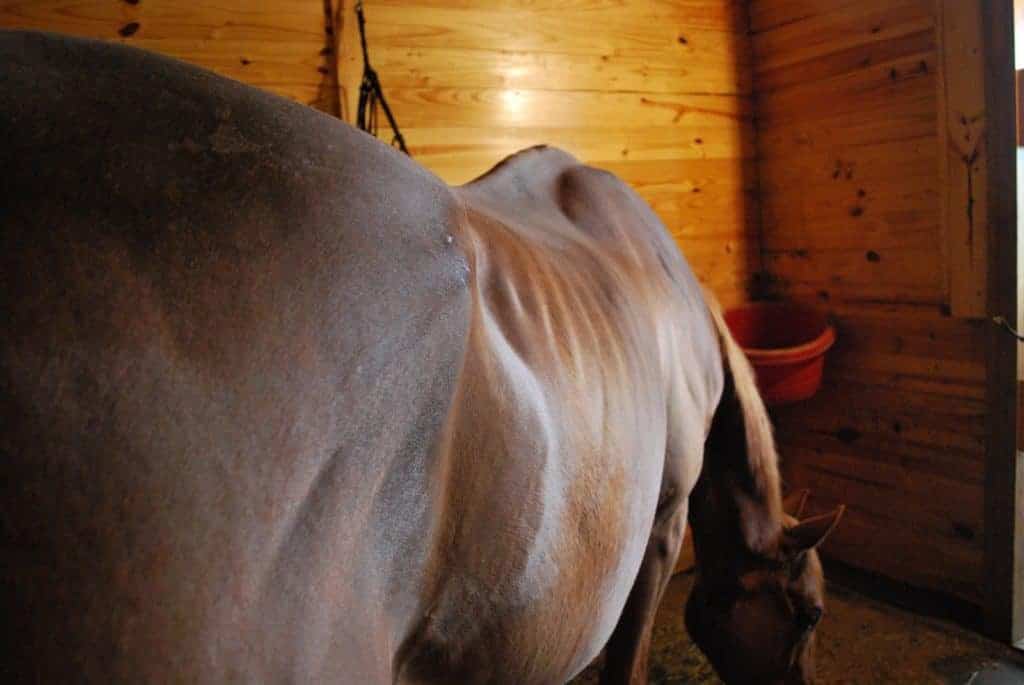
Health conditions, management changes, and palate preferences can affect a horse’s appetite.

These feeds are designed to boost horses’ calorie intake and meet additional nutrient needs that increase with work.