Equine Influenza Facts You Should Know
Appropriate use of vaccination and implementing biosecurity measures are critical to protecting the horse industry from outbreaks of highly contagious viruses, including equine influenza.

Appropriate use of vaccination and implementing biosecurity measures are critical to protecting the horse industry from outbreaks of highly contagious viruses, including equine influenza.

Find out which flowers, shrubs, and trees you should avoid when sprucing up your barn this spring.
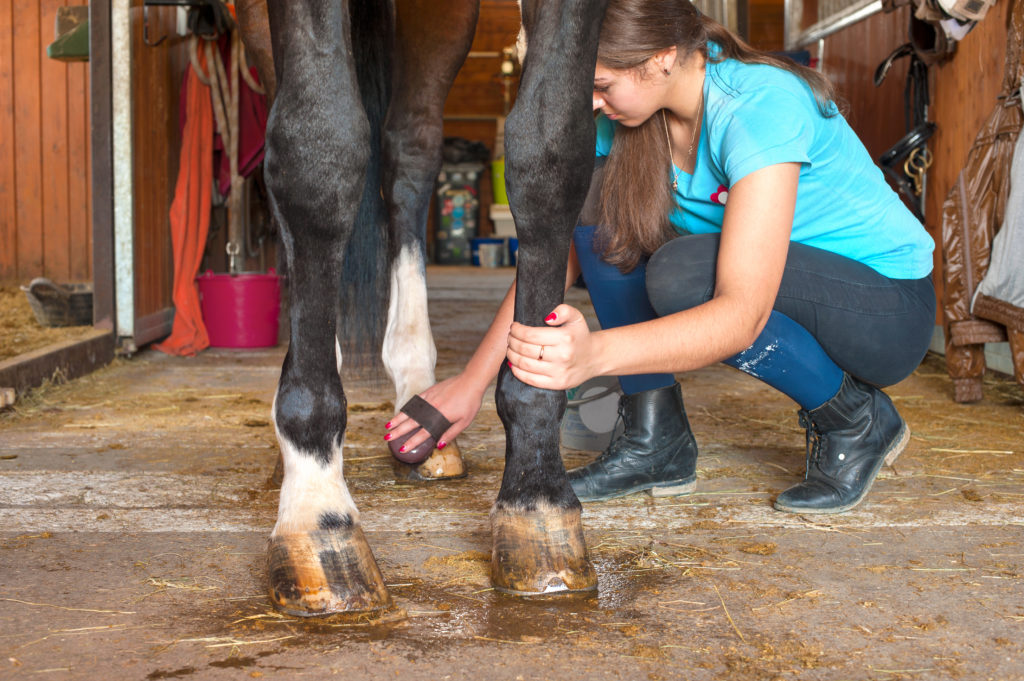
Boarding your horse at a communal barn can be both fun and stressful. Here are some tips on how to make the most of boarding from one owner with decades of experience.

The affected 14-year-old Quarter Horse mare began exhibiting clinical signs on March 21. By April 1 she was described as clinically normal but remains quarantined.

Orphan foals raised with a correct balance of nutrients and monitored for growth, food consumption, and weight gain can be every bit as tall, strong, and athletic as foals raised by their dams.
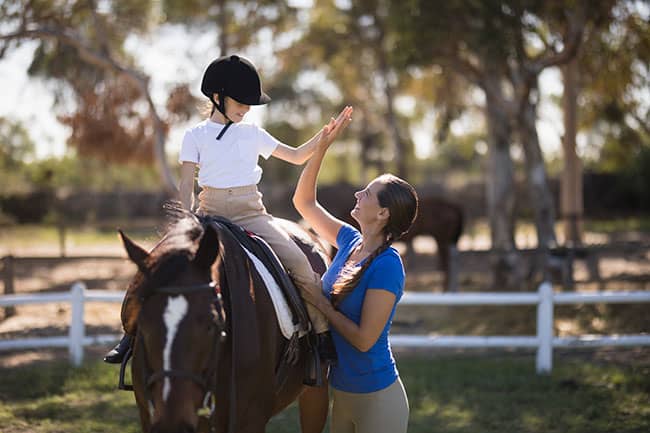
Who you pick as a trainer can make all the difference for your (or your child’s) enjoyment and your horse’s health and welfare. A seasoned equine veterinarian offers her advice on critically evaluating trainers and their programs to find the right fit.

The information on your youngster’s feed tag is designed to help you make important feeding decisions.
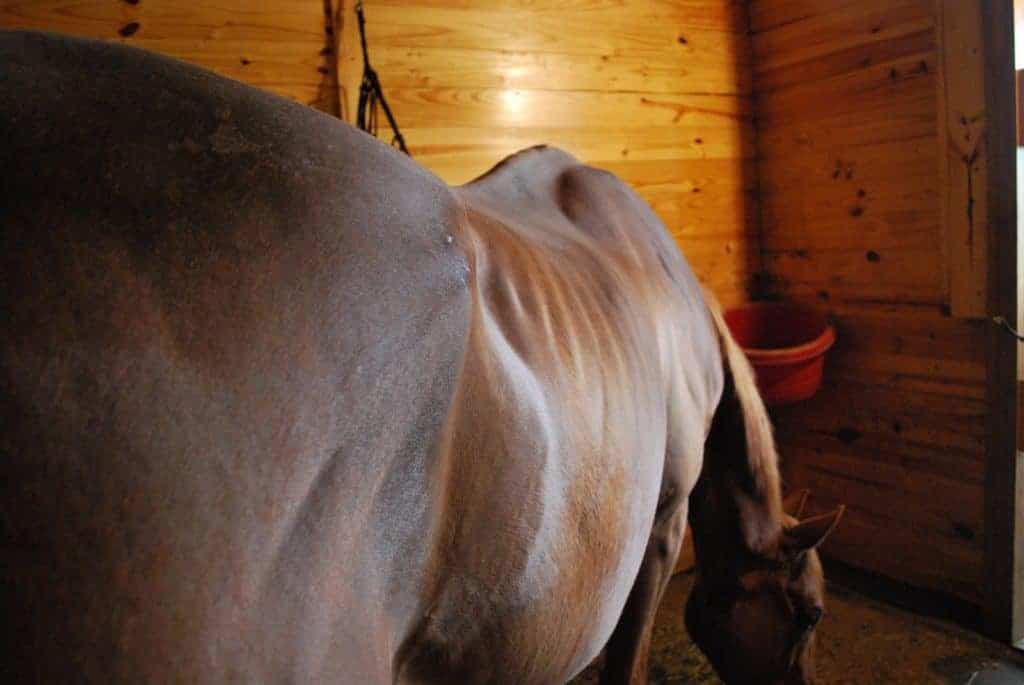
Health conditions, management changes, and palate preferences can affect a horse’s appetite.

These feeds are designed to boost horses’ calorie intake and meet additional nutrient needs that increase with work.
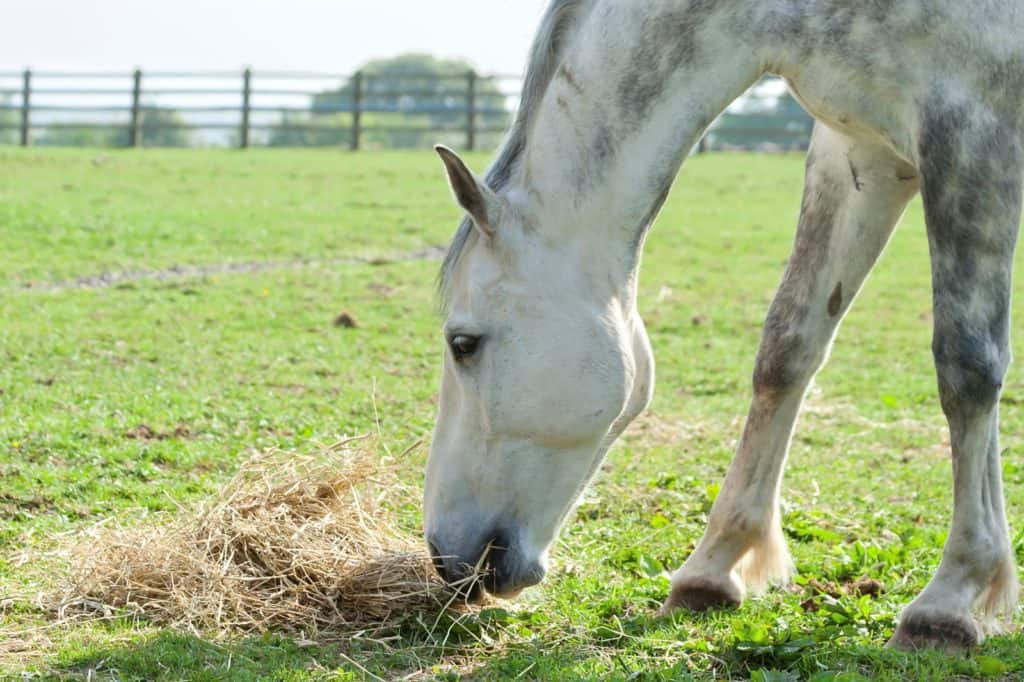
Your old horse’s rations might not need to change just because he’s got a few more gray hairs around his eyes. Still, owners should consider some key points when feeding their seniors.

Some products found on farms are flammable, toxic, or hazardous to human and animal health. Learn more about how to use, store, and discard them properly.

The Stronach Group letter announces changes to medication and whip-use rules at Santa Anita and Gulfstream parks. It comes after an unprecedented number of horses died from training or race-related injuries at Santa Anita during the current meet.

Feed your roly-poly pony the way Nature intended to prevent obesity-related diseases such as laminitis and equine metabolic syndrome.

Finding the cause of 21 equine fatalities at Santa Anita Park, in Arcadia, California, is key to the future of not only the venue but also the horse racing industry in general, says a Kentucky-based scientist investigating the incidents.

Learn about veterinarians’ current understanding of navicular syndrome with these articles, downloads, videos, and more. Sponsored by Dechra Veterinary Products.
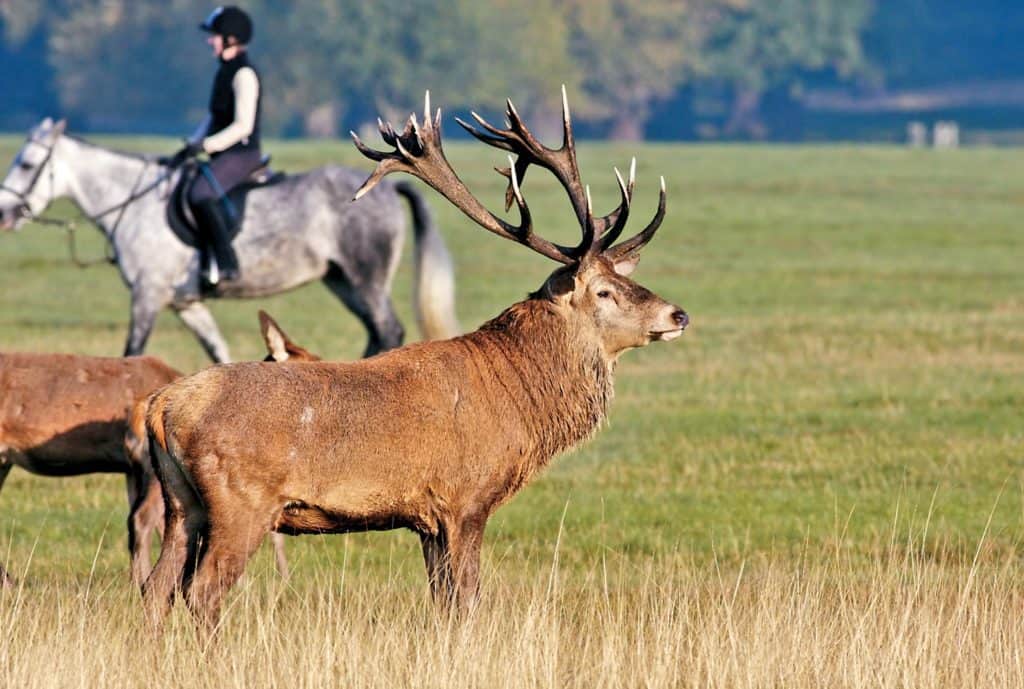
Before you hit the trail, make sure both you and your horse are prepared for any wildlife encounters that might occur.