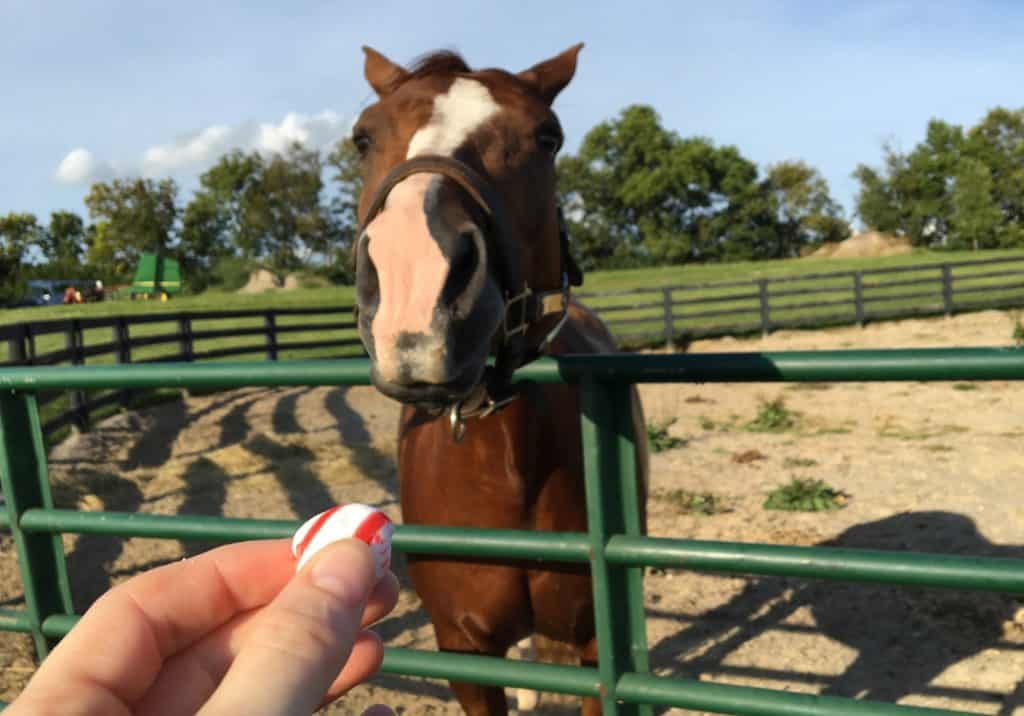
Are Peppermints Spoiling My Horse’s Diet?
Will giving my horse peppermints offset the hard work we’re doing to help her lose weight?

Will giving my horse peppermints offset the hard work we’re doing to help her lose weight?
Researchers have learned that genetics have more influence on a horse’s risk of developing EMS than previously thought.

In each county, a Quarter Horse tested positive for EIA in late April.

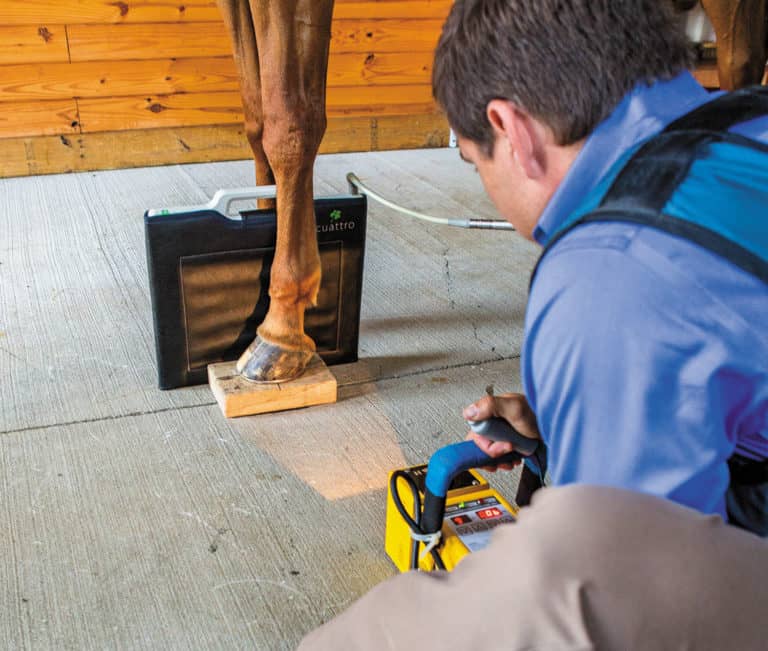
A standing equine PET scanner will soon be available at Santa Anita Park. Veterinarians and researchers hope it will ultimately help identify subtle pre-existing bone changes before they lead to catastrophic injuries.

Carpenter bees are important pollinators but can cause extensive structural damage. An entomologist shares advice on how to control populations on horse farms.

Four of the six EHV-positive horses showed respiratory signs of disease (three of which have died) and two are showing neurologic signs.

The Canadian Food Inspection Agency national reference laboratory confirmed one case in the rural municipality of Beaver River and another in the rural municipality of Meadow Lake.
The euthanized Quarter Horses geldings ranged in age from 3 to 9 years old.
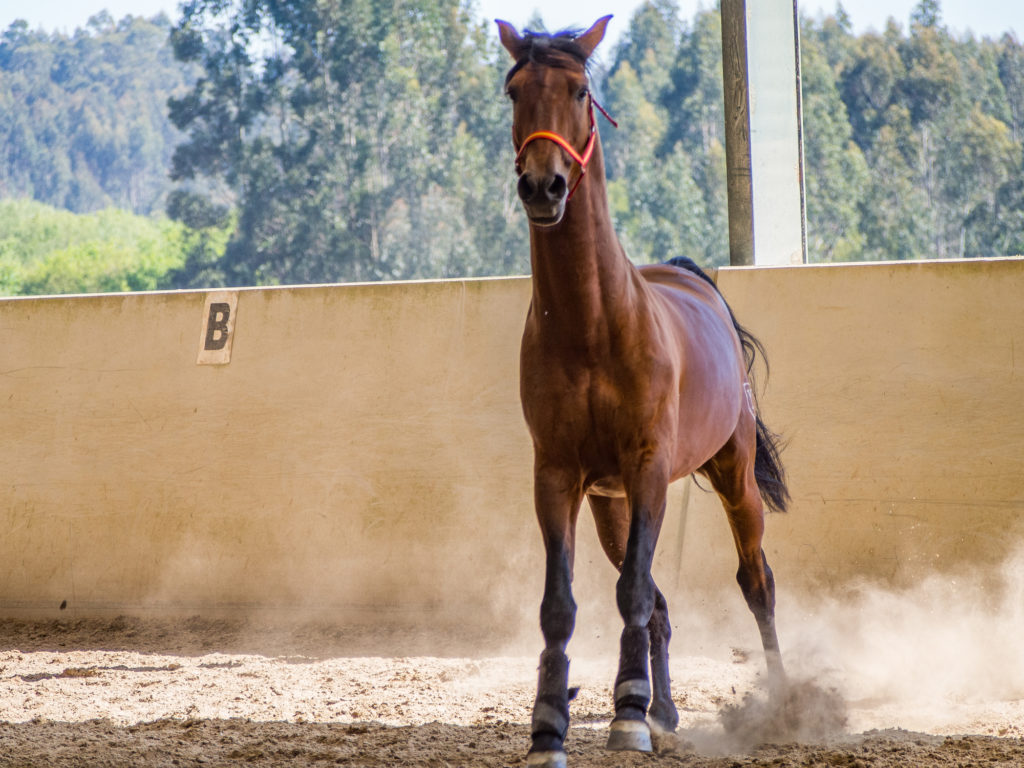
A dressage horse recovered from EPM but still has an abnormal gait. An equine internal medicine specialist explains why owners of some horses with EPM might observe long-term gait and/or performance issues.

Proper nutrition is critical for growth and development. Learn the right way to feed your foal.

Competitors in 3 Minute Thesis (or 3MT) events have no more than three minutes to present their research and its significance to a general audience, and the presenter is allowed one static presentation side and no props or costumes.

Take a look at how adding studs to horseshoes can help horses navigate less-than-ideal footing.

Find out how you can set up a farm-friendly recycling system, as well as reuse common materials around the barn.

Initiatives include building an equine medical center and quarantine facility on the Louisville, Kentucky, racetrack’s backside, hiring an equine medical director, and more.
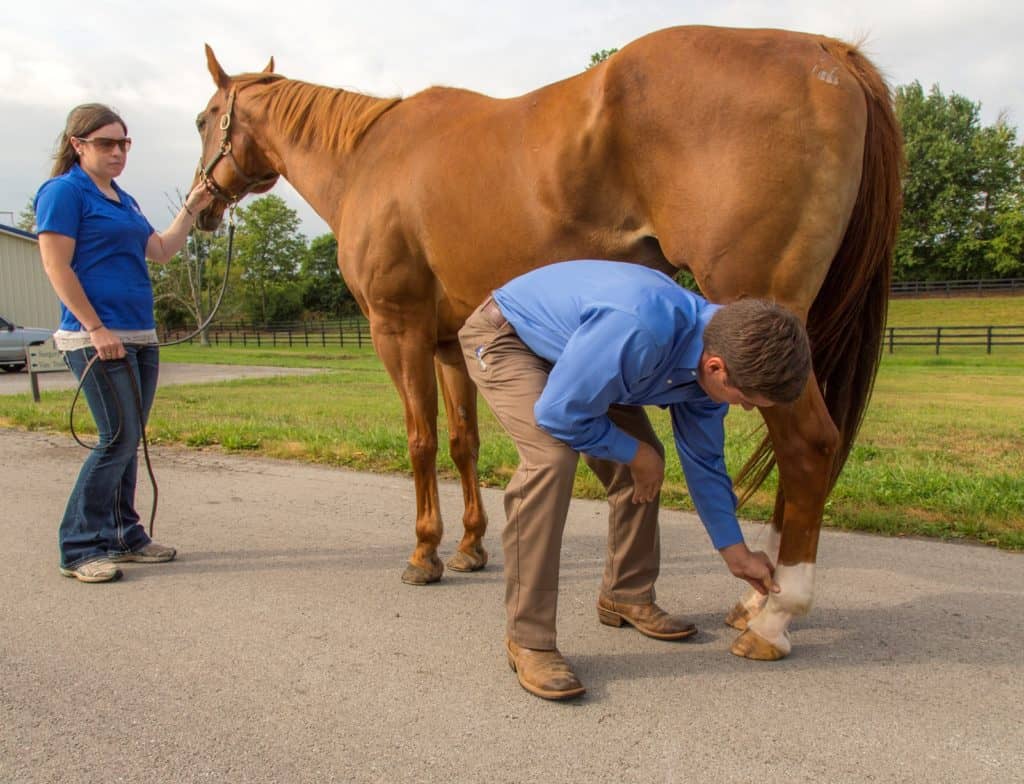
What’s the best way to handle a horse so he remains calm and well-behaved during vet and farrier visits?

Sarcoids are believed to be the most common equine skin tumor, affecting about 2% of the worldwide population. Here’s what you need to know about these potentially problematic skin growths.