Article

Subcategories:
None

Excursion in Nova Scotia

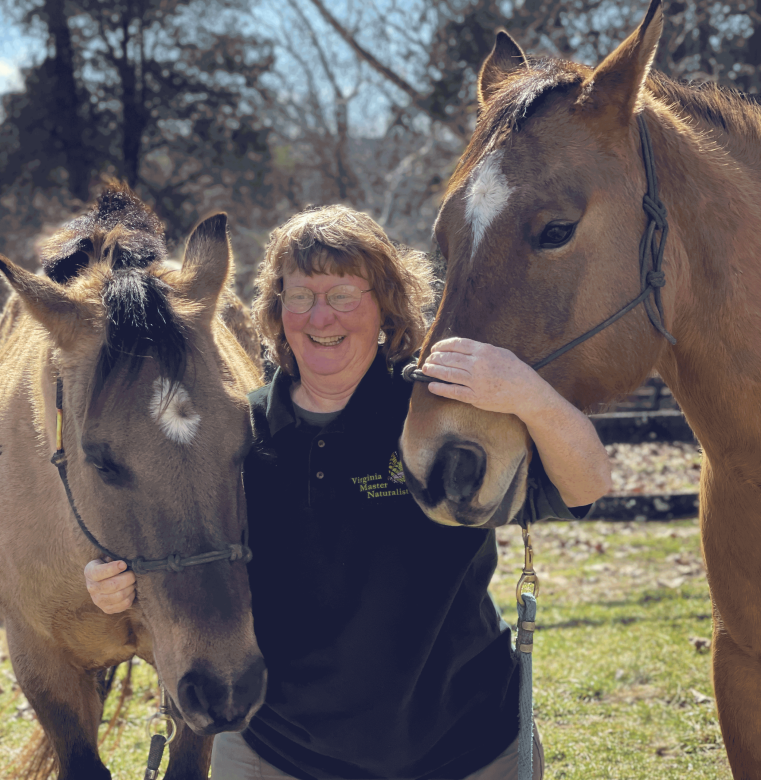
Two of my equestrian dreams came true in August 2001 in Nova Scotia, at the beautiful 350-acre Beaverdam Farm owned by Arthur and Carol Rivoire. Our family vacation is usually spent at Chincoteague, Va., where the wild ponies roam on nearby Assateague Island, but after reading about the Beginner’s Driving Vacation in Nova Scotia, I convinced certain members of my family that we should head
Read More

Illinois Slaughter Legislation

New legislation to ban the slaughter of horses for human consumption in the state of Illinois was introduced Feb. 6, 2004, in the Illinois House of Representatives in the form of HB 6570. On Feb. 18, 2004, the bill was referred to the House Executive Committee. The legislation would also make it illegal to transport horses into or out of the state for slaughter.

The wording of the newly

Read More

Mosquitos and Disease: Halt the Assault

WNV isn’t the only threat posed by the common mosquito. All forms of arboviral encephalitis (arthropod-borne neurologic disease)–some of which, like WNV, can afflict both horses and humans–are mosquito-borne, as are malaria, dengue fever, and deadly canine heartworm disease.

Read More

Captive Bolt: Comments From The Industry

One item in the debate on equine slaughter is the use of captive bolt for euthanasia. This is the same method used on other livestock killed during slaughter or during a disease outbreak (such as foot and mouth disease on farms in England).

The Horse sent out a small survey to veterinarians and researchers around the world on the question: Is captive bolt a humane euthanasia for

Read More

Cushing’s Disease and Laminitis–Not Just Old Horses

Researchers recently revealed that Cushing’s disease is a major contributing factor to laminitis among horses in a primary care veterinary practice, and that the median age of laminitic Cushing’s horses was 15 1/2 years–disproving tha

Read More

Diet: When Horses Need Less Carbs

What the research findings suggest is that young, growing foals, horses that are prone to tying-up or laminitis, those with Cushing’s disease, and some that tend to be excessively ‘hot’ mannered could possibly be managed better on low-glycemic diets.

Read More

Animal Identification Plan Largely Misunderstood

Comments collected on the draft U.S. Animal Identification Plan (USAIP) have been largely characterized by misunderstanding and frustration, according to one government official. The plan, which at this time is not an official program of the USDA, was designed to establish a timely traceback system to minimize the spread of foreign animal diseases, such as foot and mouth disease, and to

Read More

New Research on the Merial WNV Vaccine

Horse owners and veterinarians alike have wondered if they can use Merial Limited’s Recombitek equine West Nile virus (WNV) vaccine in horses previously vaccinated with Fort Dodge’s West Nile-Innovator. Recently, Merial released the results of a

Read More

Pest Control: The Death Squad

When it comes to pest control products, the safest choices lie with EPA-approved chemical formulations developed for horse use, such as DEET, pyrethrins/pyrethroids, and organophosphates, or the EPA GRAS (“generally regarded as safe”) products like citronella and geraniol.

Read More

Welfare Involvement at Local Levels

A Pike County, Ohio, resident reported suspected abuse in a 52-horse herd in mid-December 2003 to a veterinarian, who asked local law enforcement officials to have the horses examined. By Jan. 9, the horses in question had been examined by three veterinarians , were monitored, then were seized by local authorities. In the meantime, People for the Ethical Treatment of Animals (PETA) had become

Read More

California Birds Test Positive for West Nile Virus

Orange County, Calif., Vector Control District (OCVCD) biologists have found antibodies to West Nile virus (WNV) in two adult female house finches. The birds were trapped as part of the District’s wild bird trapping program which involves

Read More

Ivermectin Resistance in Foals

On many breeding farms, Parascaris equorum (roundworms) and other intestinal parasites in young foals are now controlled with one class of dewormer. This has become common because of the belief that certain drugs, like ivermectin, are highly effective and free from parasite resistance. However, a recent report from Ontario, Canada, describes foals from a breeding farm with fecal egg

Read More

Miniature Horses’ Eyes

It is tempting for veterinarians to use laboratory reference ranges collected from full-sized horses when treating miniature horses. This is not always appropriate, however, as miniature horses have some breed characteristics that are only now becoming apparent. In fact, researchers at Michigan State University (MSU) have been diagnosing ocular abnormalities in miniature horses more frequentl

Read More

Technical Equine Rescue

In today’s world, a natural or man-made disaster can strike at any time. The only defense we have is preparation. Unfortunately, many animals are dragged, stranded, drowned, or dropped during attempted rescues by untrained personnel. Rescuers often get hurt, and the animals might be more injured by the rescue than they were during the accident. Rescuing these animals shouldn’t be a rodeo. Man

Read More
Old Friends Thoroughbred Retirement to Expand in New York

Ready for Retirement?

Horses certainly are not immune to the physical problems associated with geriatric living. As the average lifespan for a horse increases, how do we make retired life as comfortable as possible for our faithful friends?

Read More

More From The Horse

Screenshot 2026-11-09 160213
gray horse
helping old horses gain weight
pregnant chestnut mare standing in field

Stay on top of the most recent Horse Health news with

FREE weekly newsletters from TheHorse.com

Weekly Poll

sponsored by:

Create a free account with TheHorse.com!

The Horse
Privacy Overview

This website uses cookies so that we can provide you with the best user experience possible. Cookie information is stored in your browser and performs functions such as recognising you when you return to our website and helping our team to understand which sections of the website you find most interesting and useful.