Advances in Equine Infectious Disease Detection
The diagnostic tests veterinarians use are evolving to improve how we manage infectious diseases in horses.

The diagnostic tests veterinarians use are evolving to improve how we manage infectious diseases in horses.

Here’s how equine veterinary clinics institute strict biosecurity measures to contain, prevent, and control disease outbreaks.

Get practical strategies for managing stallions that support their social needs and improve welfare.

Scientists believe feeding horses a high-protein meal shortly after exercise could improve muscle health and growth; however, more research is needed.

Expanding tick ranges and emerging pathogens are increasing the risk of tick-borne diseases in horses. Learn what researchers and vets say about protecting your horse.

Evaluate how supplements can fit into a complete equine management program.

Our sources share updates from the equine world to help you understand this exciting yet complex field of regenerative medicine.

Learn about the biologic, or regenerative, therapies that have altered the way many equine veterinarians treat problematic joints.

What are enteroliths and what happens if your horse has one (or several)?

Learn what nutrients are in your senior horse’s feed and why his body needs them.

Here’s what scientists know about avian influenza and how it might affect horses.

Veterinarians can guide horse owners in choosing supplements by assessing diet first, identifying the horse’s needs, and then recommending evidence-based ingredients.

Recent research offers fresh insights on post-ovulation breeding timing, risks of broodmare obesity, and twin reduction outcomes.
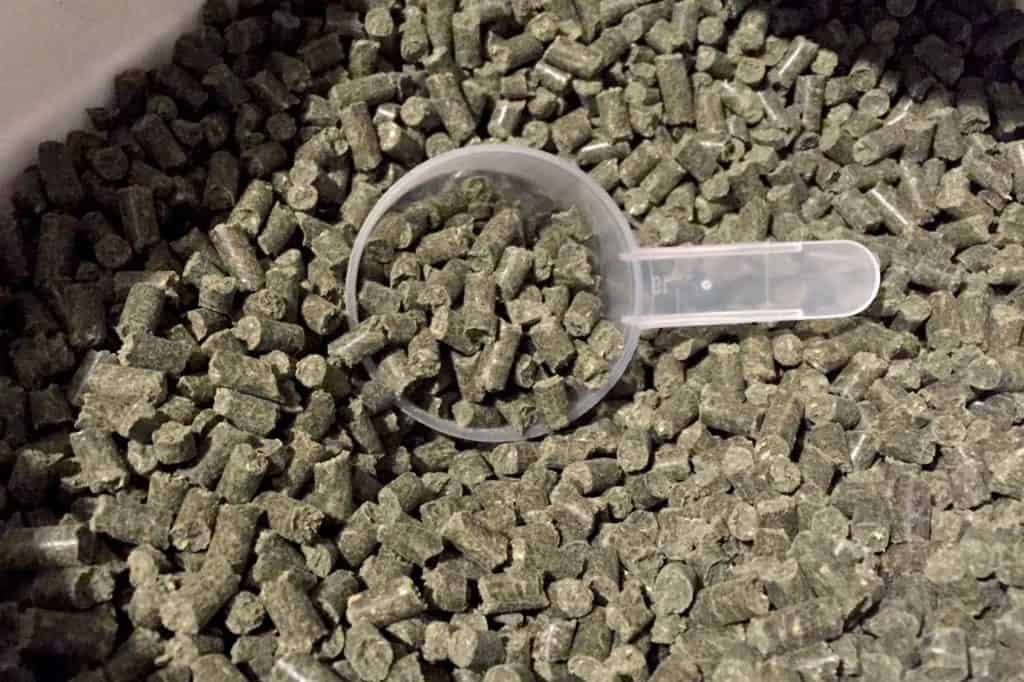
Use SMART supplementation strategies and the ACCLAIM system to find a quality product.

West Nile virus, now endemic on most continents, causes deadly neurological disease in horses, with vaccination remaining the only effective prevention.

Scientists are studying the safety, efficacy, mechanisms of action, and pharmacokinetics of equine nutritional supplements.