Equine Wound Care Done Right
Get tips on how to manage equine leg lacerations that require bandaging.

Get tips on how to manage equine leg lacerations that require bandaging.
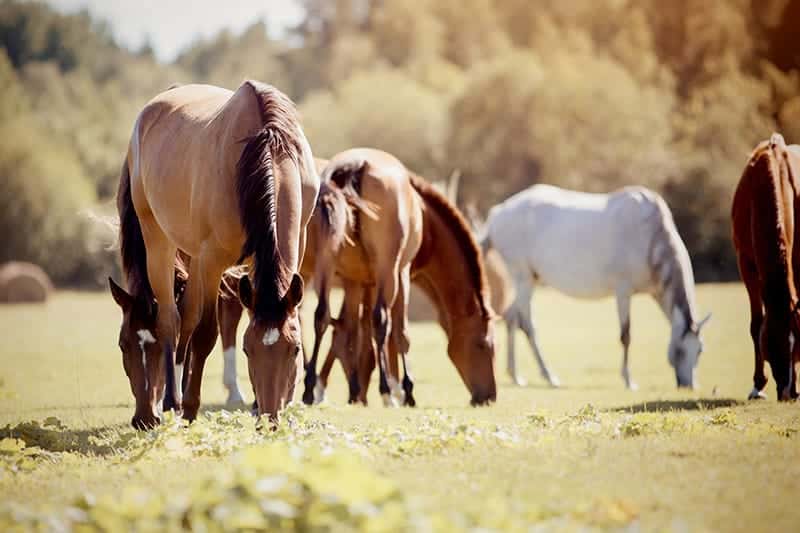
Follow these steps to safely and successfully add a new horse to an existing herd.

Horses need a variety of minerals in their diet to support basic system function and overall health. Find out how to be sure your horse is getting them.

As temperatures rise, tick activity increases—putting horses at risk. Learn how to identify tick-borne threats and implement effective prevention strategies.

Researchers described the most common abnormalities seen on imaging in nonlame show jumpers—problems that could lead to lameness in the horses’ future.

They found riding horses behind the vertical can contribute to stress, pain, and other problems that affect welfare in horses.

Veterinarians administer risk-based vaccines based on a horse’s potential to contract certain diseases.

Find out how veterinarians diagnose and treat this complex condition.

Address the condition’s primary, predisposing, and perpetuating causative factors for a successful outcome.

Researchers highlighted the correlation between the quality of a mare’s colostrum and her foal’s health in the 130 days after birth.

Why is milk coming out of my foal’s nose? One expert shares causes, diagnosis, and treatment for dysphagia in foals.

Post-foaling, this type of colic can be life-threatening to broodmares and their foals.

Read about how one veterinarian treated a particularly challenging case of the equine skin condition commonly known as scratches.
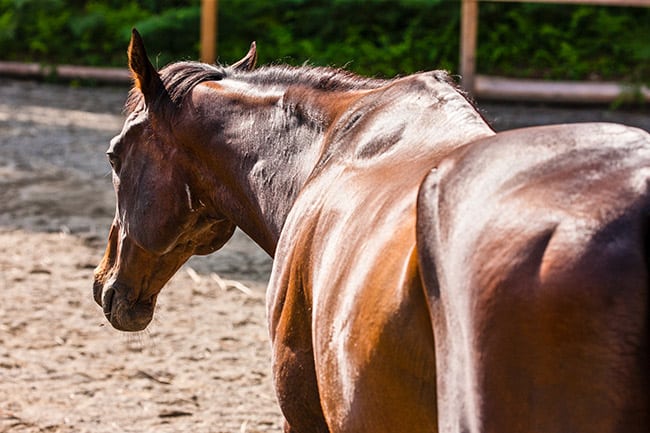
If you can see your horse’s ribs or his topline is lacking, he might need to gain weight or muscle. But how can you tell which he needs?

A theriogenologist describes risk factors for abortion at all stages of a mare’s gestation.

From collection to artificial insemination, semen processing and transport must be carried out meticulously to maximize horse fertility rates.