What Equine Patellar Ligament Injuries Look Like on Ultrasound
Researchers recently described the appearance of normal and injured equine patellar ligaments on stifle ultrasound, which had not been previously reported.

Researchers recently described the appearance of normal and injured equine patellar ligaments on stifle ultrasound, which had not been previously reported.

Here’s how one veterinarian localizes lameness to the horse’s stifle, treats stifle injuries, and performs surgery when necessary.

Experts described 6 new studies that made significant impacts on equine musculoskeletal problem diagnosis and treatment in 2024.

Learn how arena footing affects horse and rider safety, and what 5 factors to consider when choosing and maintaining footing.

Here’s how veterinarians manage problems such as foal diarrhea, dehydration, and milk replacement challenges on the farm.

Milne lecturer Dr. Lisa Fortier advises veterinarians to evaluate a horse’s overall health before using orthobiologics and to treat injuries early for the best outcomes.

Researchers are currently working to develop an RNA vaccine for EHV-1 and -4. Here’s what they know so far.

A USEF veterinarian shares important biosecurity information for those planning to host or attend competitions this year.

The new vaccine in development paves the way for more effective immunization against the diarrhea-inducing virus in equine neonates.
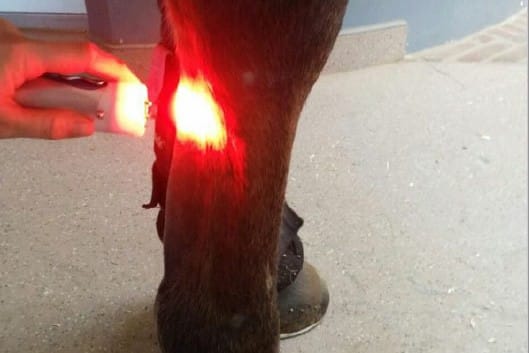
Learn more about Class IV laser treatments, the current research, and opportunities for further advancement.

Researchers reflect on horse trailer design and long-distance travel as they affect stress in horses.

The oral sugar and thyroid-releasing hormone (TRH) stimulation tests are the gold standards for diagnosing ID and PPID (equine Cushing’s disease), respectively.

Horses give us plenty of cues when they’re dealing with early illness. To help you recognize them and intervene accordingly, here is a 10-point list of warning signs.

Learn about new applications for biologic therapies to treat horses’ infertility, wounds, ligament injuries, and eye issues.

A podiatrist gives his tips for keeping a horse with chronic laminitis and equine metabolic syndrome comfortable.

An equine nutritionist shares tips to reduce impaction colic risk in senior horses, focusing on hydration, digestion, proper feeding practices, and more.