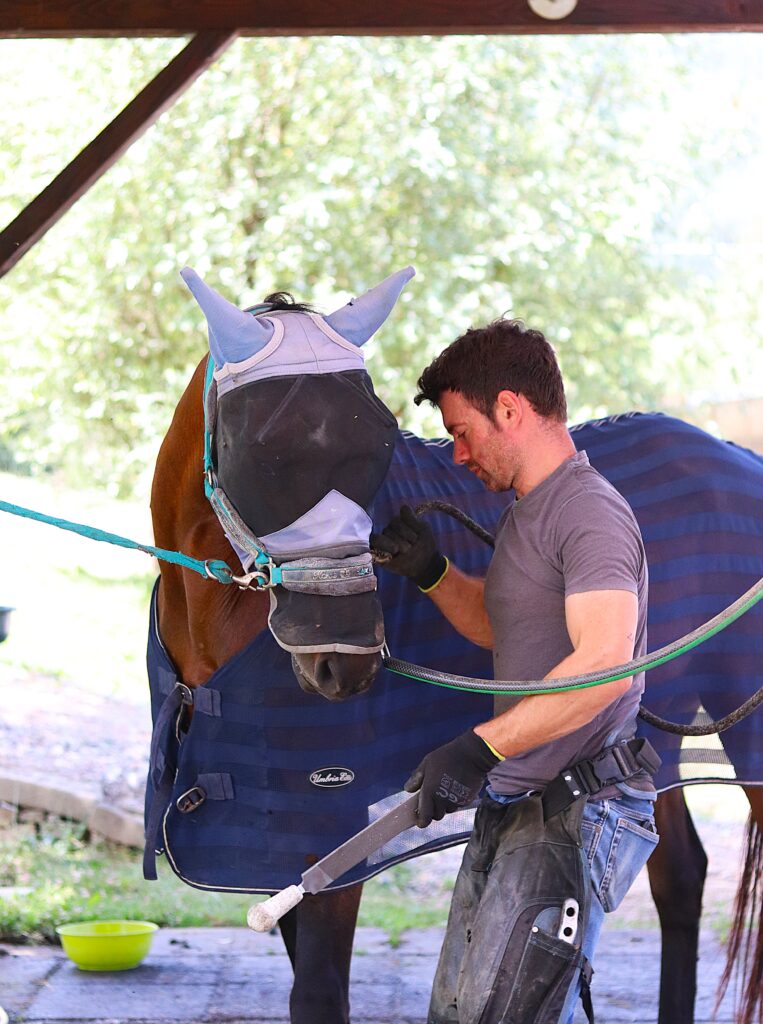
5 Ways to Keep Your Horse Relaxed During Farrier Visits
Use these tips to help your horse not just tolerate farrier visits but also enjoy them.

Use these tips to help your horse not just tolerate farrier visits but also enjoy them.

A veterinarian describes when sedation might be necessary for your horse’s farrier visit, common sedatives for farrier work, and safety considerations.

Researchers examine if clodronate exerts anti-inflammatory and chondroprotective effects on an articulating joint.

Your farrier plays an important part in your horse’s hoof health. Remembering a few simple things can help the appointment run smoothly.

Learn about the wound healing process and how to prevent and manage proud flesh.

Over a 168-day study, scientists found this bisphosphonate drug might not significantly impact bone mineral density or microarchitecture in the tuber coxae of young horses.

Researchers examined joint inflammation biomarkers and subtle gait asymmetries in horses, offering a potential tool to detect joint problems before lameness appears.

Learn about the more subtle signs of pain horses might express as undesirable behaviors and how veterinarians can pinpoint the cause.

Read top tips and tricks for medicating your horse with everything from antibiotics and anti-inflammatory tablets to anti-ulcer pastes and deworming medications.

Splint bone injuries are common in both working and pastured horses. Here’s what you should know.
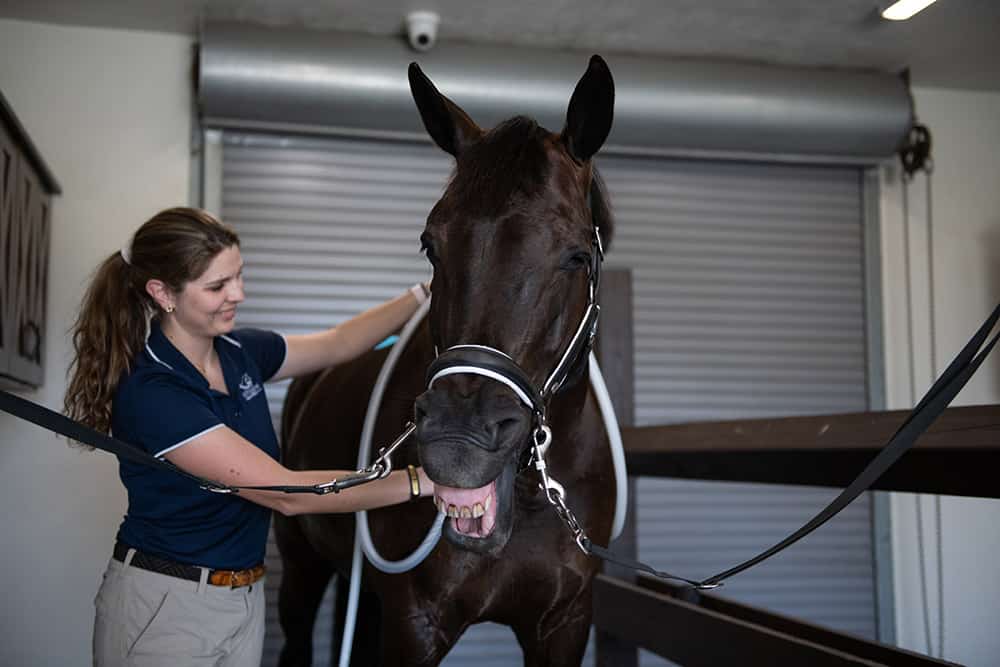
Researchers showed pulsed electromagnetic field therapy (PEMF) might temporarily reduce lameness and inflammation associated with equine osteoarthritis.

My OTTB recently recovered from a bowed tendon injury. What can I do to help him continue to stay sound?

Researchers linked specific behaviors to gastric disease in horses, which could help owners spot signs early and seek veterinary diagnosis and treatment.
Learn the latest on keeping internal and external equine parasites at bay.
Nutritional strategies targeting oxidative stress and inflammation can help maintain cellular balance and support a horse’s long-term health and performance.
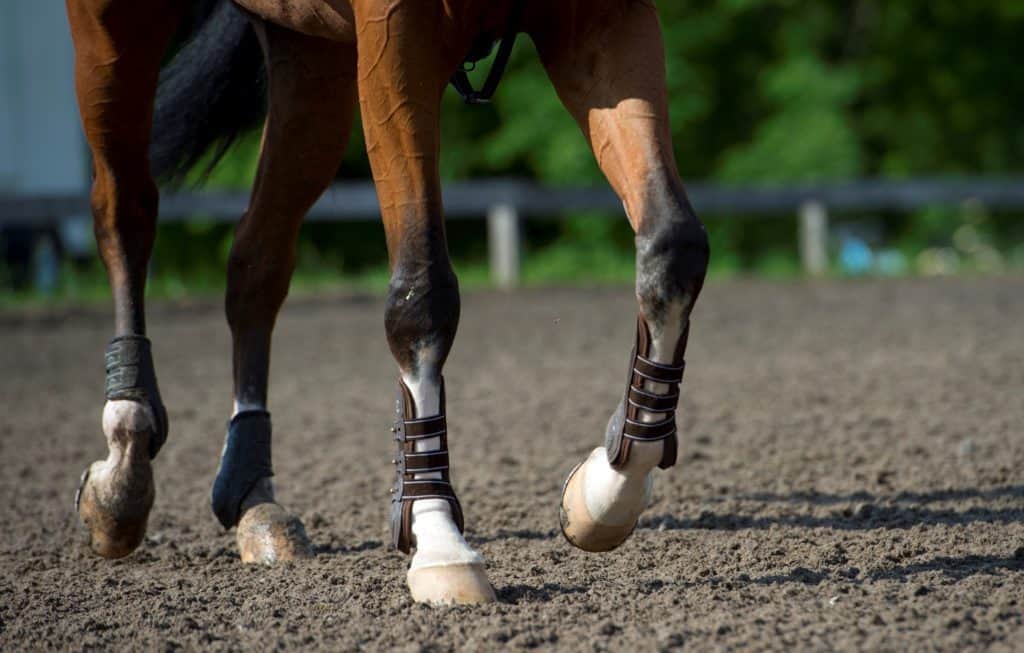
Here are 10 ways to reduce your horse’s risk of sustaining tendon damage or injury.