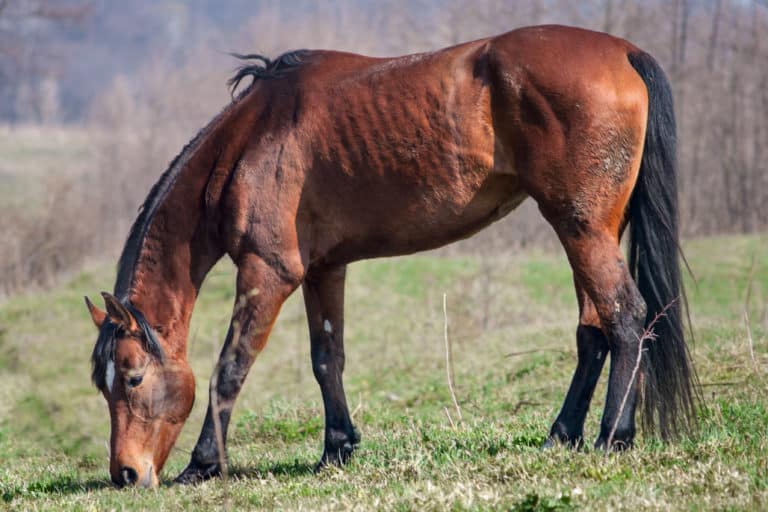
Poll Recap: Public or Private Lands for Horseback Riding?
Of the 825 respondents, 370 (45%) said they do most of their riding on private land.

Of the 825 respondents, 370 (45%) said they do most of their riding on private land.

Forum presentations covered risk factors, bone fatigue, and risk management, among other topics.

The system measures fat deposits near the stomach and small intestine, around the heart, neck crest, and rump.

With heavy rain and snowfall earlier in the year, mosquito habitats and breeding sites with standing water are abundant.

Laminitis risk is the No. 1 reason we worry about equine metabolic conditions such as EMS and PPID when feeding horses.

The event will help prepare first responders for dealing with animals, including horses, in the event of a disaster.

Learn about several substances that can cause heart muscle damage and death in horses.
A pair of allegedly maltreated adult horses were also found on the property.
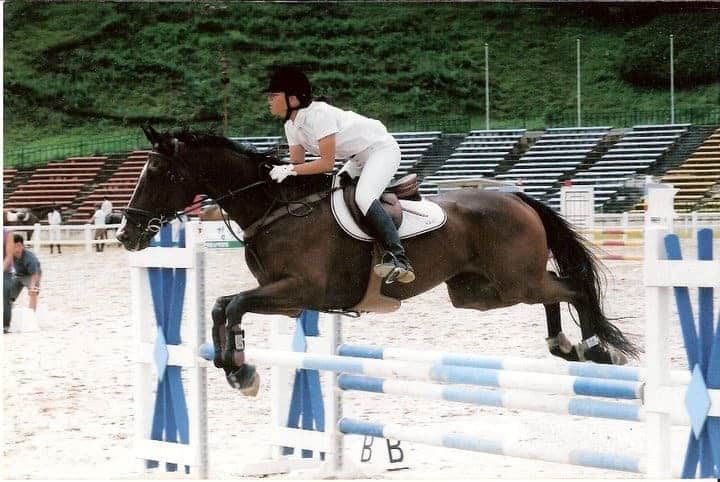
Nam is studying equine arteritis virus evolution during persistent infection of stallions’ reproductive tracts.

The May KENA meeting was designed to educate professionals, owners, and recreational riders on land loss in Kentucky.
The International Equine Science Society released a statement on techniques that could compromise horse welfare.

Scientists theorized that hair cortisol levels could help identify early stage pituitary pars intermedia dysfunction.
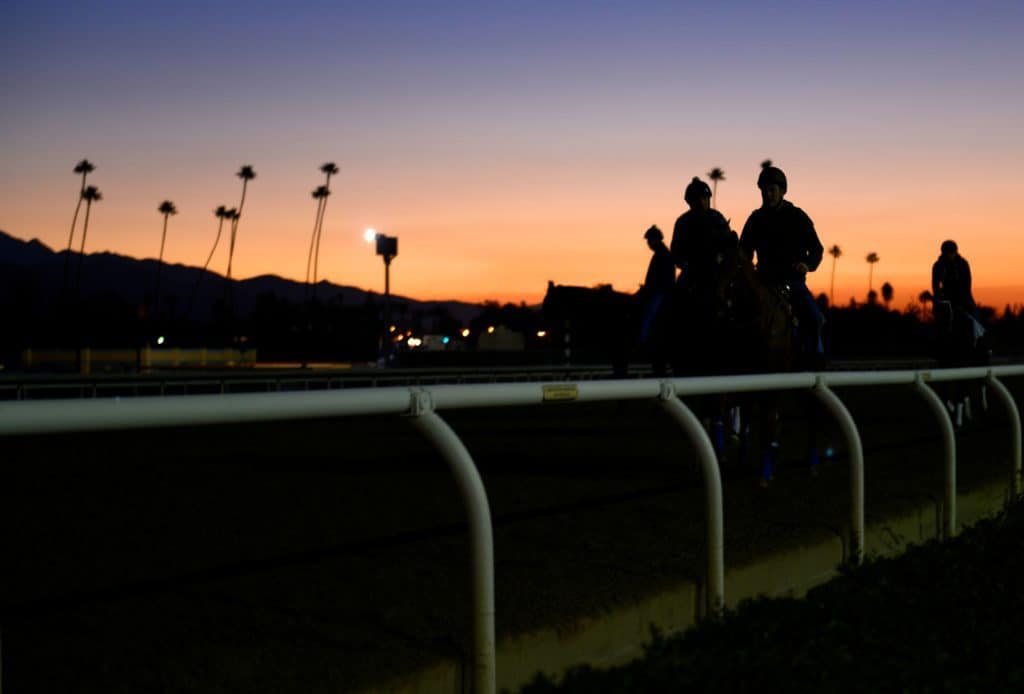
Among other points, the new bill would prohibit the use of any substance within 24 hours of a race.

Proposed budget cuts would save $4 million by eliminating restrictions on horse sales and other management options.

The map displays the historical rabies data for all species affected in Kentucky over the past 27 years.
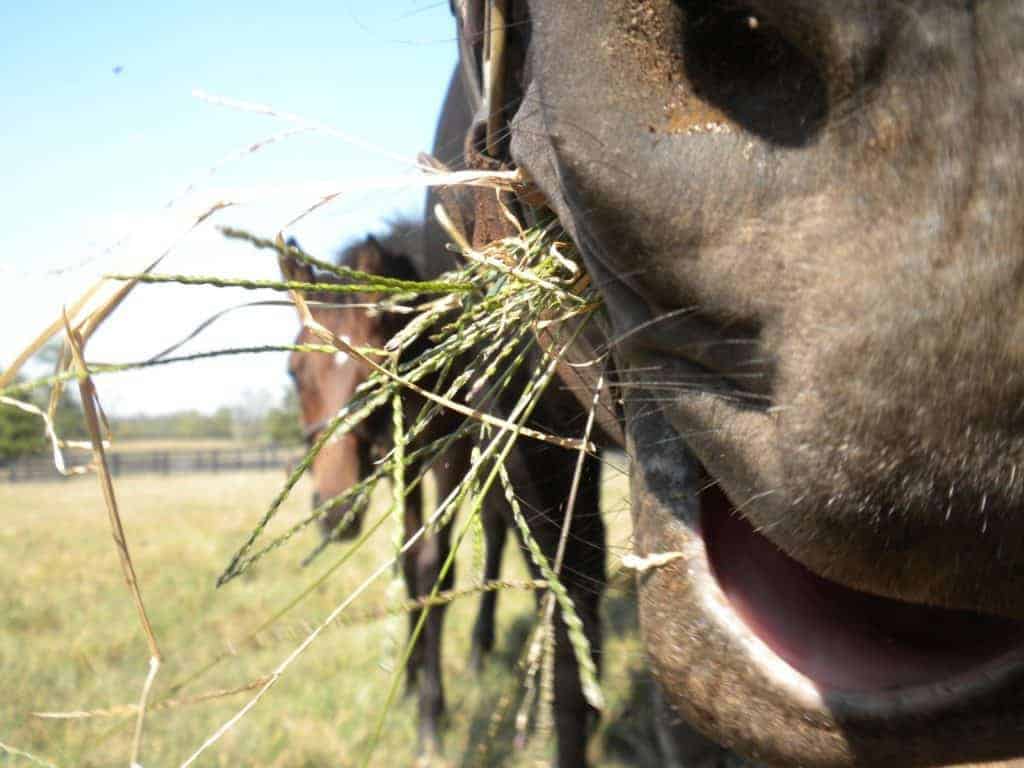
Cool-season pastures grow rapidly in the spring and fall, and management techniques must change with the seasons.